In brief
The former kickboxing champion Andrew Tate and his brother Tristan are in a U.S. court demanding bail so they can challenge a pending extradition to the United Kingdom. They claim the jail environment and restrictions on medical care are unjust, while U.S. prosecutors argue the pair pose a flight risk and have multiple passports. The court, presided over by Magistrate Judge Lauren Louis, will decide later whether to grant release. Their case reflects broader tensions over international law, human rights, and the impact of extradition on transnational justice systems. The extradition submission deadline is set for September 16, with implications for all parties involved.
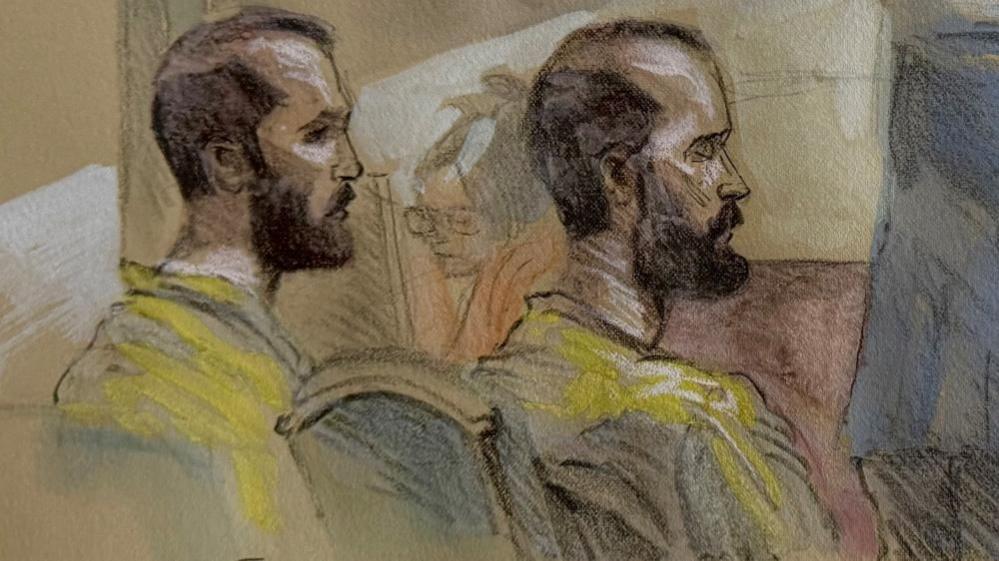
Andrew Tate, 39, and his brother Tristan, 38, have asked a Miami court to release them from jail while they fight an extradition case to the United Kingdom. The two former kickboxers claim they were arrested on charges of rape and sex‑trafficking and have been held in the U.S. since mid‑July.
In court, the pair argued that jail conditions are detrimental to their health—citing heat, lack of sunlight, and minimal exercise—and that being placed in shackles prevented them from preparing a proper defense. Tristan weighed in that he lost about 14 lb during custody and feels the environment is akin to “death by scurvy.”
U.S. prosecutors countered that Andrew and Tristan are a flight risk, pointing to the brothers’ possession of multiple passports and the wealth they publicly display. Their defense attorneys, led by attorney Joseph McBride, maintained that the brothers’ high profile would actually deter escape attempts.
A key point raised by the U.K. Crown Prosecution Service is the breadth of charges—59 in total, covering rape, sex‑trafficking, and indecent images involving a child. The U.K. has until 16 September to file a formal extradition request, a deadline that adds urgency to the Californian bail hearing.
Andrew testified about his need to fight in the ring to sustain his finances, while his attorney highlighted the lack of evidence supporting the allegations. Both brothers presented personal testimonies—highlighting community ties and past relationships—to underline their nonviolent character.
The case underscores the intersection of international law, human rights, and the challenges of enforcing complex extradition agreements across jurisdictions. Whether the Miami judge will grant bail remains pending; the decision will set a precedent for how extraterritorial legal disputes are navigated in a rapidly globalising legal climate.