In brief
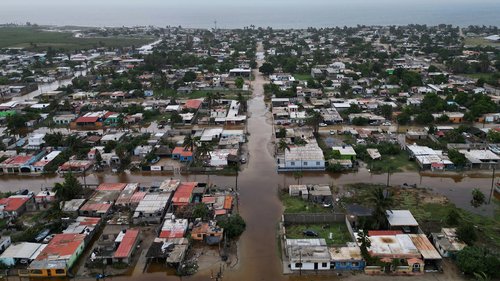
Hurricane Melissa, classified as a Category 5 hurricane, slammed into Jamaica with winds reaching 185 mph. A study by World Weather Attribution indicates that climate change made the atmospheric and oceanic conditions that led to Melissa's rapid intensification six times more likely. The hurricane's landfall serves as a stark reminder of the escalating impacts of climate change on global weather patterns.
Hurricane Melissa was one of the strongest hurricanes to ever hit the Caribbean.
The atmospheric and ocean conditions that led to the rapid intensification of the hurricane were made six times more likely by climate change, a World Weather Attribution study has found.
Melissa grew from a tropical storm to a major Category 4 hurricane in just one day, fueled by warmer-than-average sea temperatures, and made landfall in Jamaica as a powerful Category 5 hurricane.
Days before its landfall, forecasters indicated favorable conditions for rapid intensification, with the Caribbean Sea being approximately 1.5°C warmer than average. The depth of this heat provided a continuous supply of warm water essential for Melissa's growth.
The study concluded that climate change resulted in increased wind speeds and rainfall, amplifying the destructive potential of hurricanes like Melissa.
“This is a critical moment for countries to act, ensuring that climate finance reaches those most exposed to climate impacts, while committing to a real transition away from fossil fuels,” said Arnoldo Bezanilla, a researcher in Cuba. The catastrophic landfall of Hurricane Melissa is emblematic of the urgent need for global action against climate change as nations prepare for COP30 in Brazil.