In brief
A two‑year‑old boy tragically fell 40 feet from a high‑rise hotel window in Cyprus, resulting in the father being fined €3,000 for failure to secure his child. The incident occurred at the King Evelthon Beach Hotel on 12 July, sparking a court case that highlighted gaps in building safety protocols. Authorities and eco‑tourism advocates call for stronger regulations, child‑proof design and regular safety audits in hotels, especially those marketed as eco‑friendly. The case underscores how tourism infrastructure must balance sustainability with rigorous safety standards.
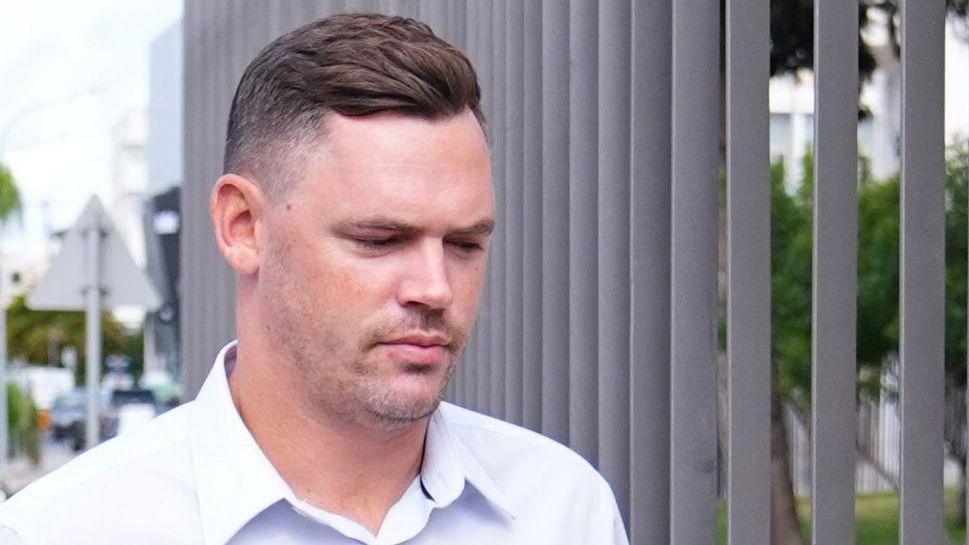
A child’s fatal fall from a fourth‑floor window at the five‑star King Evelthon Beach Hotel in Cyprus has led to a €3,000 fine for the father, Joshua Foster, who placed his two‑year‑old son on a windowsill that he believed was closed.
According to the Paphos District Court, Foster had pushed the lift button, set his son on the sill to show the view of a nearby waterpark, and was unable to stop the boy before the window opened. The toddler was taken to Paphos General Hospital and was pronounced dead. Foster was found to have caused death through a reckless act and received a fine but no further custodial sentence.
The court highlighted that the window “did not appear to carry markings that would necessarily have alerted” the defendant to any opening, a momentary error that resulted in fatal consequences. No evidence was found that Foster deliberately put the child in danger.
Following the incident, the family released a statement expressing relief that legal proceedings were over while acknowledging the irreversible loss of their son. They noted that the tragedy’s impact will persist every day.
The case has prompted discussion among eco‑tourism advocates and local authorities. They argue that sustainable hotels must combine environmental stewardship with stringent safety designs—ensuring child‑proof windows, clear safety signage, and regular inspections—so that ecological benefits do not come at the cost of human life.
The father, a certified auditor, had moved to Cyprus with his wife, two children and her parents a few hours before the incident. He later told reporters that he was grateful for the support he received and that he was eager to return home to his family. His lawyer, Alexandros Alexandrou, described Foster as an "incredible father" and said he should never have faced court.
For citizen scientists and eco‑activists: this incident is a reminder that safe tourism infrastructure is part of a sustainable future. Ongoing collaboration between environmental and safety regulators is essential to prevent similar tragedies.