In brief
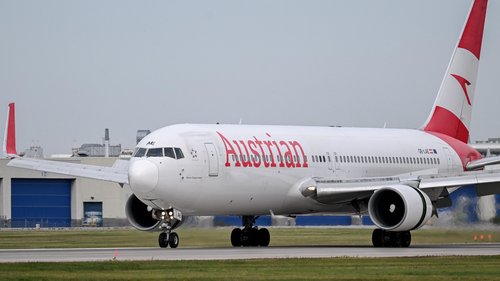
Following a recent incident involving Jeju Air, South Korea is initiating a series of safety measures aimed at improving the overall reliability of its budget airlines. In a significant move to bolster public confidence, the transportation ministry has instructed low-cost carriers to implement strategies focused on reducing flight hours, enhancing pilot training, and expanding maintenance teams.
The directives were unveiled during a meeting with representatives from the nation’s nine budget airlines. While specific targets were not mandated, airlines are encouraged to formulate their own safety proposals. Among the changes, Jeju Air has committed to decreasing its daily average flight time from 14 to 12.8 hours and has pledged to hire an additional 41 maintenance personnel, bringing the total to 350. This proactive initiative follows the catastrophic crash of a Jeju Air Boeing 737-800, which collided with a concrete wall at Muan International Airport, resulting in 179 fatalities and marking it as South Korea's deadliest aviation disaster. It is also recognized as the worst air tragedy globally since the Lion Air Flight 610 disaster in 2018. Reports suggest a sharp decline in travel bookings and cancellations in the aftermath of the crash, highlighting the public's apprehension toward airline safety. Although preliminary investigations do not conclusively link the incident to maintenance issues or pilot error, authorities are thoroughly examining all aspects of the flight's operation, including maintenance records and the possibility of a bird strike impacting the aircraft's systems. In a strong statement, the transportation ministry asserted that airlines neglecting safety protocols would face severe repercussions, including potential suspension of flight certificates. This robust approach reflects the government’s commitment to ensuring that safety takes precedence over profitability in the airline industry, aiming to restore faith among travelers in South Korea’s aviation sector. As investigations continue, the focus remains on implementing sustainable practices that prevent future tragedies while reinforcing the importance of aviation safety in a rapidly evolving industry.