In a landmark move echoing across coastal economies, Saudi Arabia, Turkey and Pakistan have inked a defence pact that promises mutual support if one nation faces aggression.
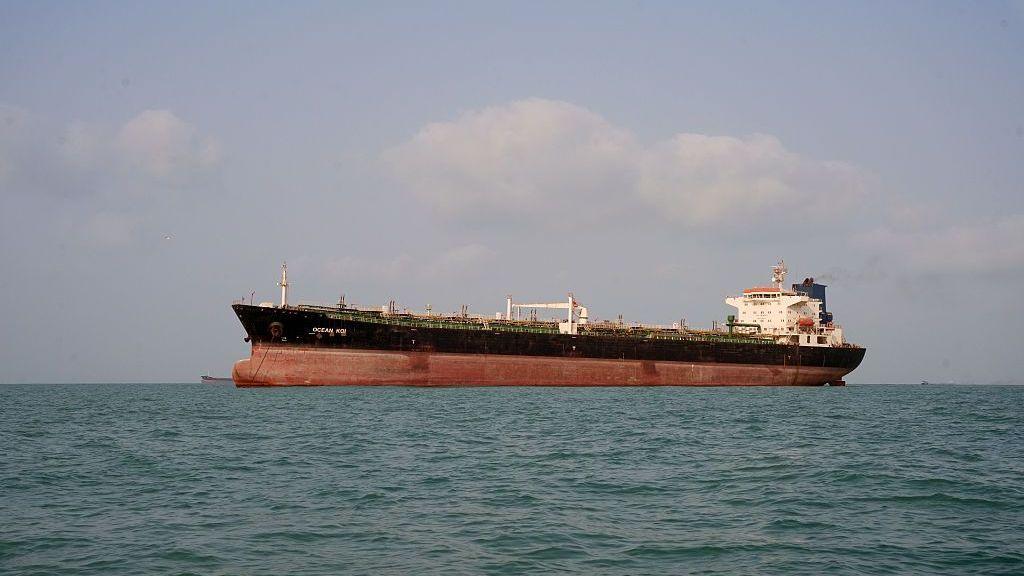
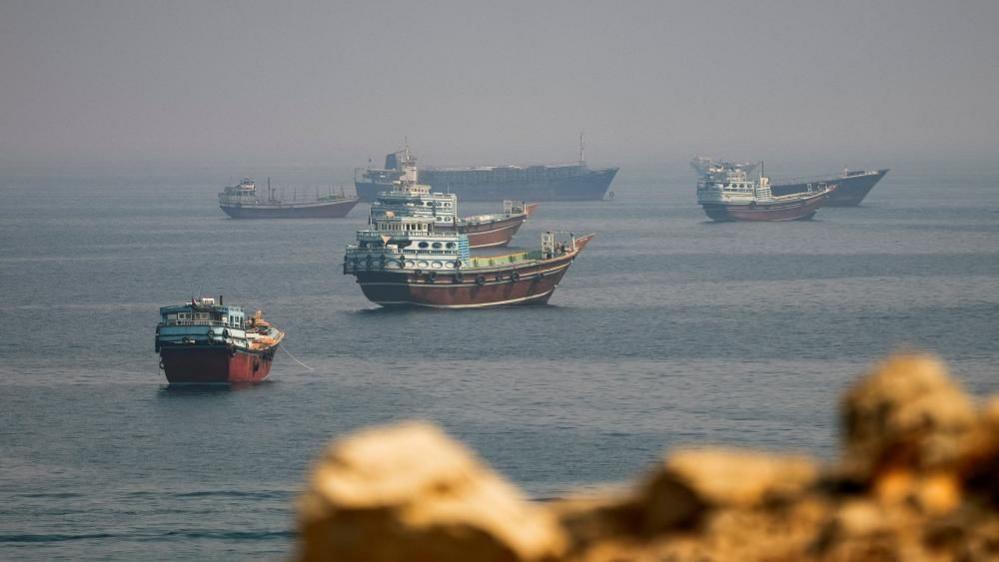
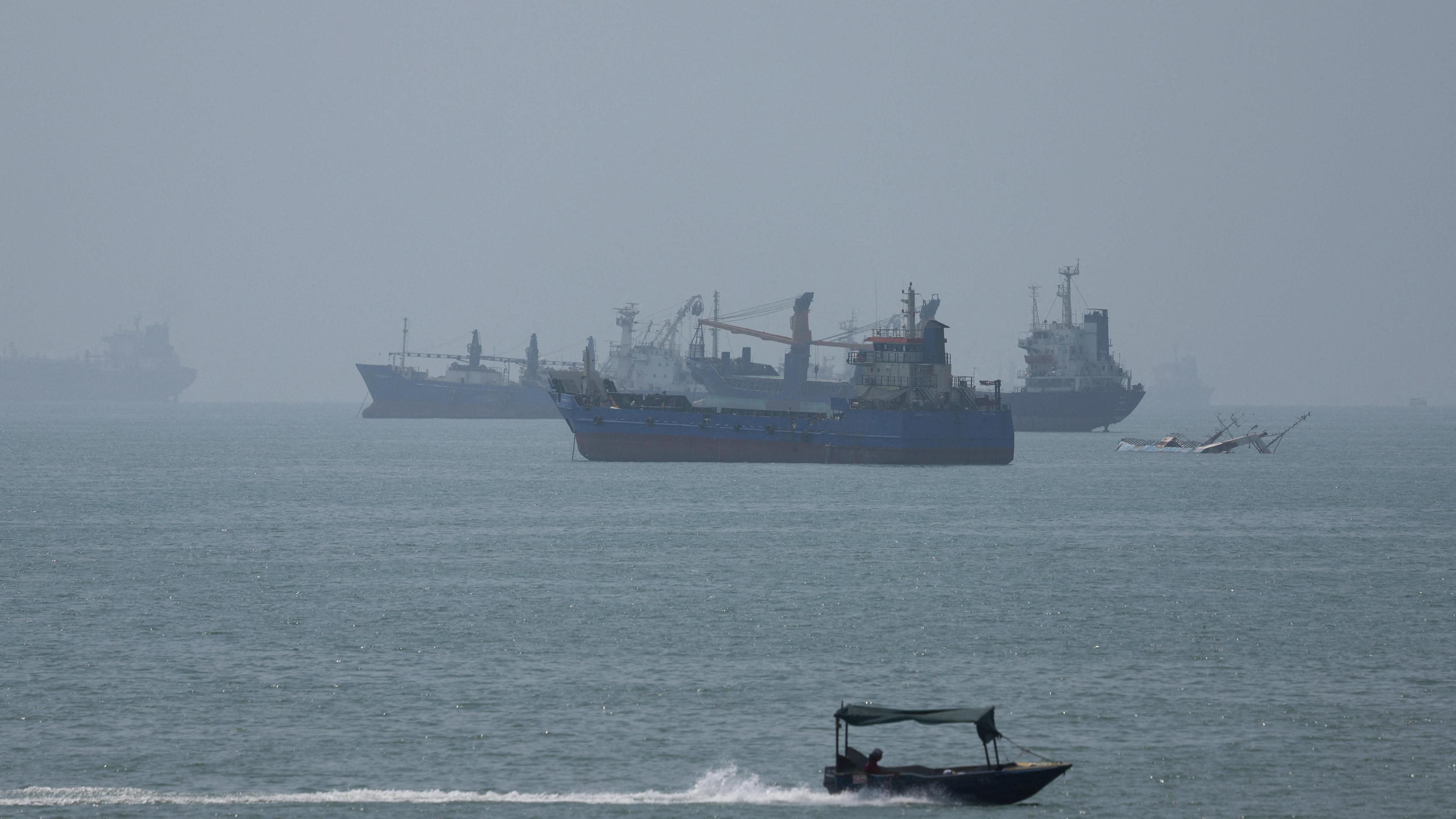
The agreement, announced in Mecca, is set to tie the security of three major Gulf actors together, underlining a collective deterrent that could calm tensions surrounding the Strait of Hormuz – the narrow passage that ferries about 30% of the world’s oil and increasingly, liquid natural‑gas shipments critical for decarbonisation efforts.
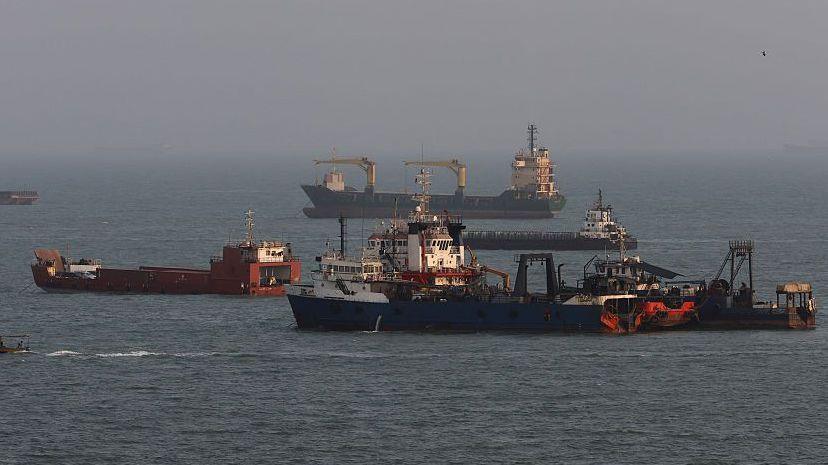
By declaring that an attack on any party would trigger joint action, the pact aims to secure shipping lanes whose stability is essential not just for economic throughput but also for the environmental integrity of the region’s marine ecosystems. The Strait’s volatile waters and productive fisheries have, in past years, been threatened by military skirmishes and collateral damage from conflicts, disrupting both national economies and the regional ecological balance.
Analysts caution that the treaty’s practical enforcement mechanisms remain vague; however, the symbolic weight carries significant geopolitical implications. A tightened defence posture could deter attacks that would otherwise threaten to unleash fuelling of instability, oil spills and other environmental damages that undermine climate‑adaptation projects at sea.
The pact also reflects deeper shifts in Gulf policy: Saudi Arabia’s pivot away from reliance on U.S. military presence, Turkey’s ambition to expand its defence industry, and Pakistan’s strategic leverage in Afghanistan and India relations. All three nations recognise that safeguarding vital trade corridors strengthens their long‑term energy strategies – whether that is preserving natural gas export routes or maintaining the integrity of ports that handle low‑carbon freight.
While the alliance is still new, its potential to fortify maritime security could fortify the Gulf’s role in a low‑carbon supply chain, preserving both economic and environmental assets. If committed beyond rhetoric, the triple‑pact may well become a cornerstone of the region’s climate resilience strategy, ensuring that the energy arteries that transit this critical juncture remain robust and environmentally protected for the decades ahead.