In brief
Clashes between the United States and Iran in the Gulf of Oman and the Red Sea have intensified with drone attacks on military facilities and retaliatory raids on allied ports. The resulting uncertainty in shipping routes forces vessels to take longer paths, consuming more fuel and increasing greenhouse gas emissions. Moreover, the risk of an oil spill in a fragile marine ecosystem escalates, threatening biodiversity and carbon sequestration. These developments underscore the urgent need for diplomatic solutions that protect both global climate goals and maritime security.
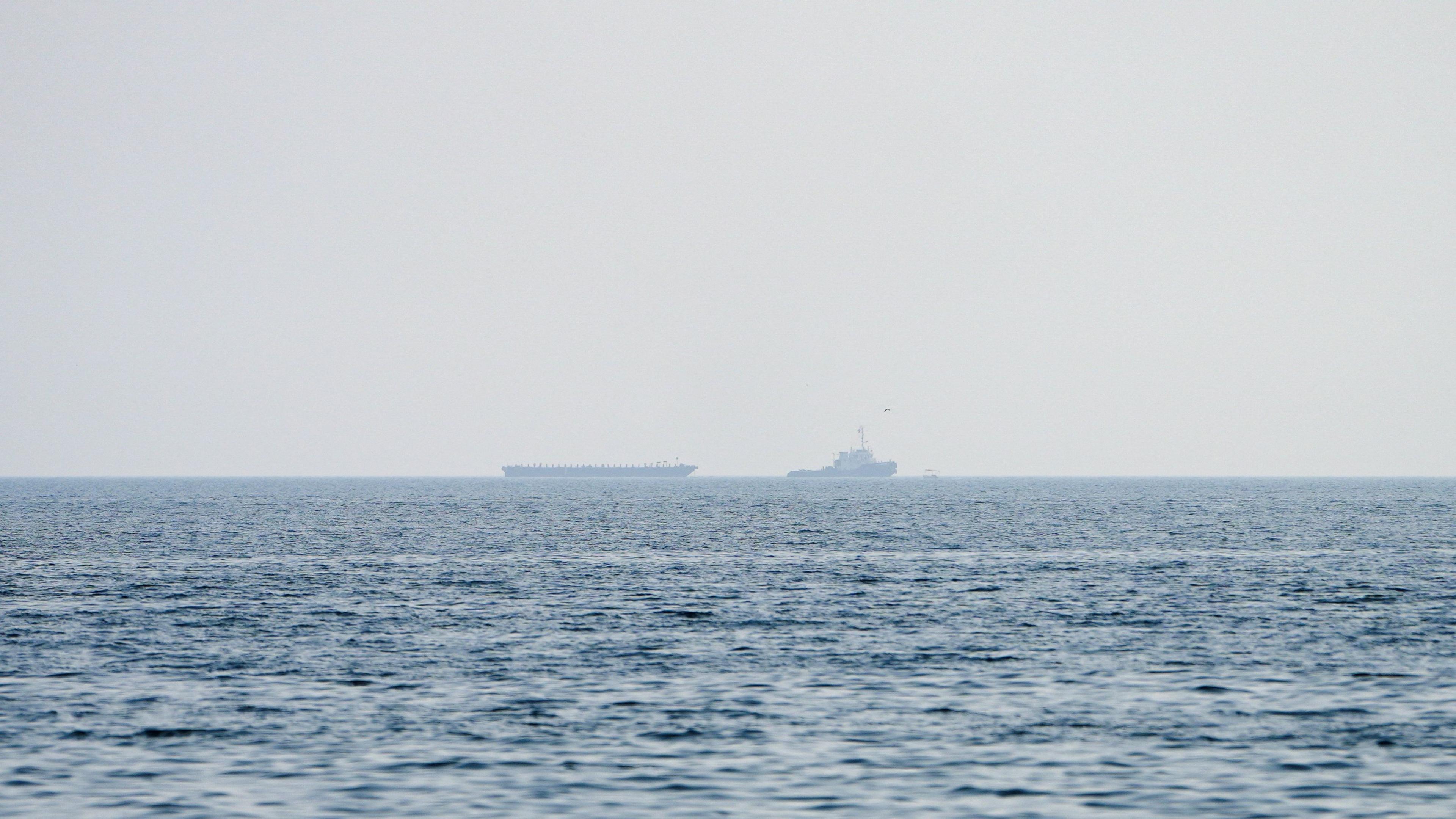
The Gulf of Oman and the Red Sea have become new frontiers for geopolitical confrontation, as the United States and Iran trade strikes across the region. Drone attacks on U.S. military bases and allied Kuwait facilities, and retaliatory raids on U.S. shipping lanes have escalated since the 13th consecutive night of American bombing campaigns.
In a volatile environment, commercial vessels are forced to reroute around neighboring ports, which increases travel distance by hundreds of kilometres. The added fuel consumption directly translates into heightened carbon dioxide emissions, undermining commitments to keep global temperature rise below 1.5\u00b0C.
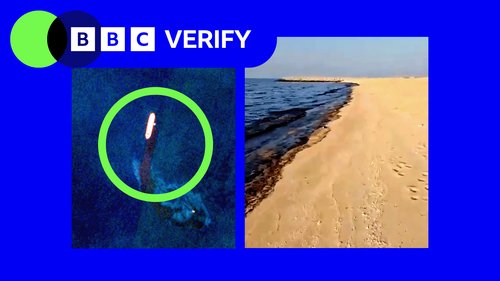
The risk of an oil spill in the Gulf and Red Sea is especially dire, given the region’s high biodiversity and its role as an important carbon sink. A major crude leak would contaminate sea life, disturb coastal ecosystems, and release large volumes of methane – a potent greenhouse gas – from damaged storage tanks.
Beyond the immediate environmental disaster, these disruptions jeopardise the supply chain for marine mammal and coral restoration projects that rely on stable shipping routes for their equipment and personnel.
For the global community, the situation demands urgent diplomatic resolution. A rapid cease-fire and restoration of the Strait of Hormuz and the Gulf shipping lanes would reduce the need for emergency maritime interventions, decrease emissions, and safeguard marine habitats from further exploitation.