In brief
Following the Supreme Court's decision to overturn Roe v. Wade, there has been a notable rise in the number of anti-abortion pregnancy centers across the United States. These centers, often dubbed crisis pregnancy centers, are increasingly adding medical services that go beyond pregnancy-related care, including STI testing and even primary health care. Advocates argue that this expansion is critical as many Planned Parenthood clinics face closure, limiting access to comprehensive reproductive health services. Critics, however, express concern over the centers' lack of accountability and breadth of services, emphasizing the need for regulatory oversight.
In response to the changing landscape of reproductive health services in the U.S., anti-abortion pregnancy centers are stepping up their offerings. Following the landmark Supreme Court decision that overturned Roe v. Wade in 2022, many of these centers have seen an unprecedented growth in their medical services.
Typically known for discouraging abortions, these centers are now providing a diverse range of medical services including testing and treatment for sexually transmitted infections (STIs) and in some cases, primary care. This trend appears to be a direct response to the closure of numerous Planned Parenthood clinics across the country, which have historically provided a wide array of reproductive health services.
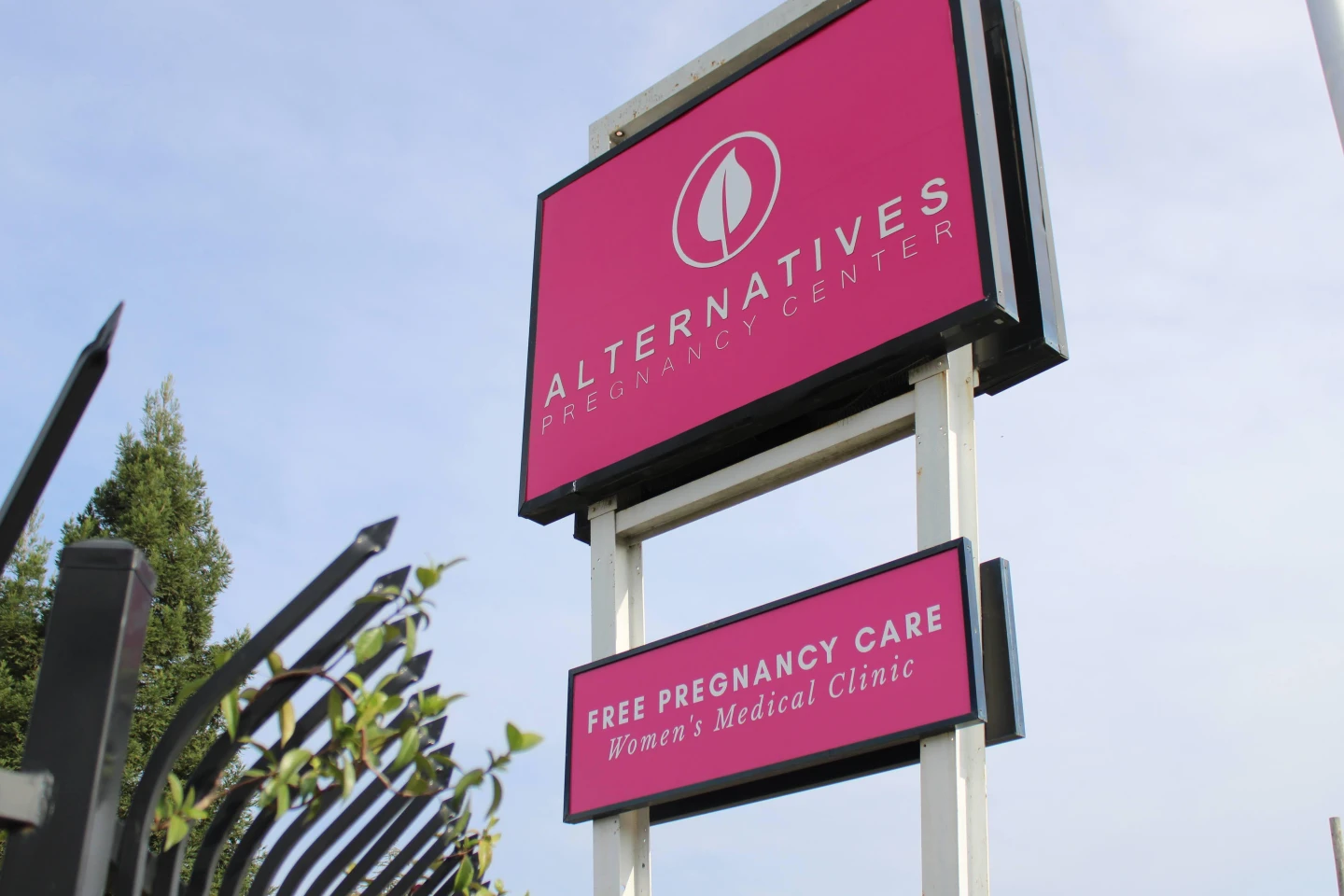
As abortion bans were enacted in several states, pregnancy centers expanded their medical, educational, and supportive programs. In California, the Alternatives Pregnancy Center has added specialists including family doctors and those focused on high-risk pregnancies, filling critical gaps in care for underserved populations.
However, the expansion of these centers has sparked significant frustration among reproductive rights advocates. They point out issues of lack of accountability, the refusal to provide comprehensive contraceptive services, and a limited capacity to offer the necessary quality of health care and information.
While some pregnancy centers offer valuable services beyond their primary anti-abortion mission, concerns remain about the adequacy and accuracy of the health care they provide. This points to a growing need for oversight and support for comprehensive reproductive health services, especially in areas where pregnancy centers are becoming the only available option.
In 2024, over 2,600 pregnancy centers were operating in the U.S., an increase of 87 from the previous year, while the number of clinics offering abortions continues to decline. This dynamic signifies a shift towards a landscape where pregnancy centers could become the primary health care providers for women, particularly in states experiencing the steepest decreases in access to reproductive health care.