COLUMBIA, S.C. — A highly controversial bill is being reviewed by South Carolina lawmakers that aims to impose some of the strictest abortion restrictions in the United States. Plans include severe penalties for women who obtain abortions, with prison sentences potentially lasting up to 30 years. Additionally, the bill suggests a complete ban on contraceptives like intrauterine devices (IUDs) and could significantly limit in-vitro fertilization options.
The proposed law would overturn current measures that allow for exceptions in cases of rape and incest, permitting abortions only when a woman’s life is in danger. This contrasts sharply with existing legislation, which allows abortions up to six weeks of pregnancy, usually before many women even discover they are pregnant.
Details of the Proposal
Under the new proposal, any individual assisting a woman in obtaining an abortion could also face lengthy prison sentences. Medical professionals fear that discussions regarding contraceptive options and the implications of pregnancy loss would become a 'legal minefield'. Dr. Natalie Gregory, an OB-GYN, expressed concern over the implications of such legislation on comprehensive health care.
Divided Opinions Among Abortion Opponents
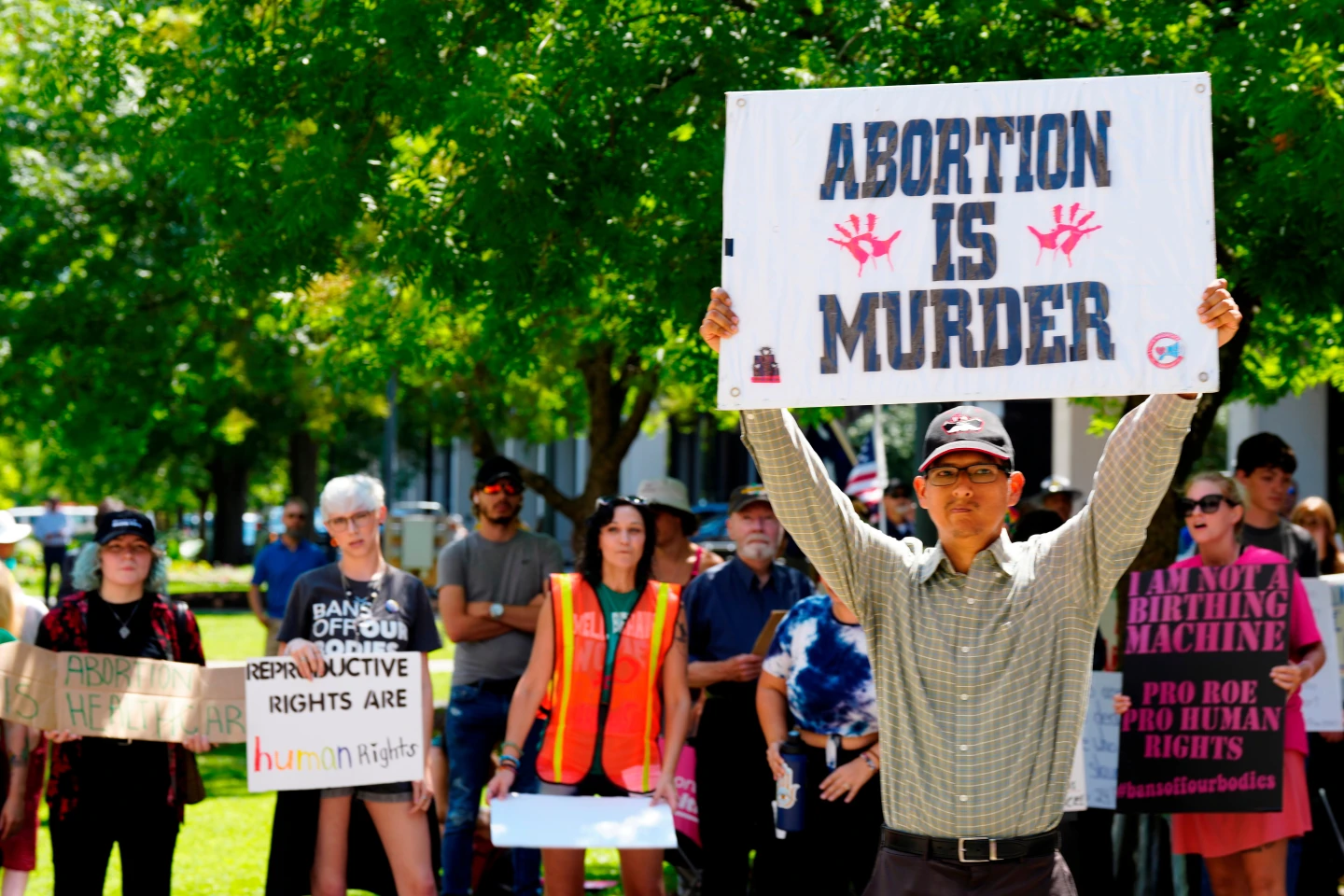
Interestingly, the bill has caused a fissure among groups that traditionally oppose abortion. For instance, South Carolina Citizens for Life has come out against the measure, arguing that women who seek abortions should be viewed as victims rather than criminals. Conversely, groups like Equal Protection South Carolina argue for treating abortion as murder, advocating for stringent penalties.
Impact on Healthcare Discussions
Passage of such a law could significantly restrict the ability of healthcare providers to discuss legal abortion options available in other states, raising concerns about patient safety and healthcare integrity.
This debate resonates in the broader context of shifting political and social ideologies across the country, as voices advocating for more restrictive laws gain traction in conservative states. Observers note that the ongoing legislative battles surrounding abortion could lead to broader implications for women’s rights and healthcare access nationwide.