In brief
As Americans face the repercussions of a government shutdown, many Medicare patients, like Bill Swick, struggle without access to telehealth services. This article explores the personal and systemic effects of halted telehealth services while highlighting the urgent need for governmental action to restore these vital medical appointments.
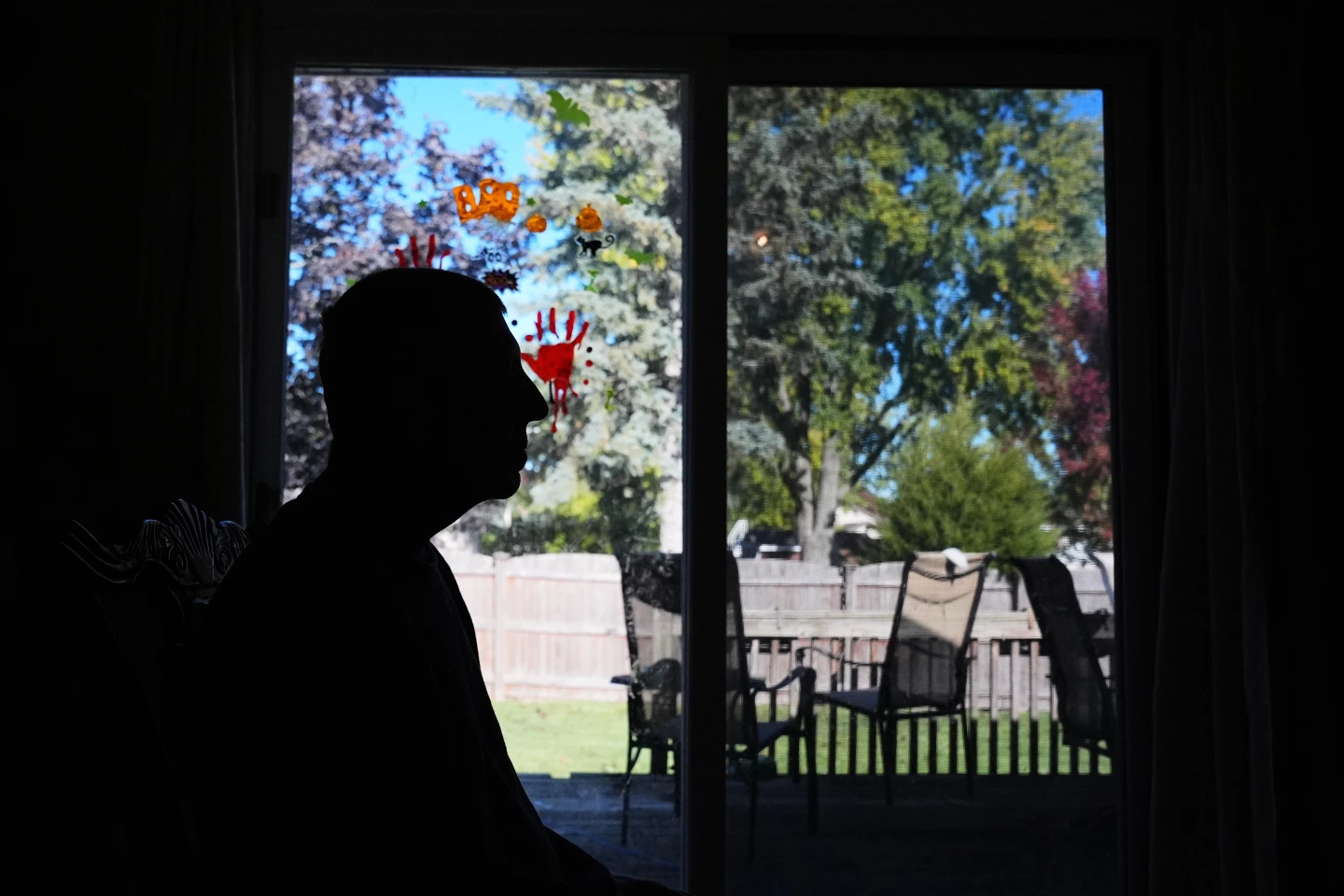
MINOOKA, Ill. — Many Americans are feeling the pinch of the ongoing government shutdown, particularly those dependent on Medicare for telehealth appointments. One poignant example is Bill Swick, a 53-year-old who battles a rare degenerative brain disease. For him and countless others, the comfort of receiving therapy from home has turned into a frustrating reality as access to these services has been suddenly cut off.
Swick, who relies on virtual appointments for speech therapy, now finds himself without this essential support due to halted funding for the Medicare telehealth program amid the shutdown. His wife, Martha, has been tirelessly working to keep his care regimen organized, but with the recent cessation of these appointments, their progress has plummeted.
It’s frustrating because we want to continue with his journey, with his progress, Martha expressed, encapsulating the sentiments of many caregivers and patients. A lack of telehealth access is not just a matter of convenience; for patients like Swick, it can exacerbate their conditions and lead to a serious decline in quality of life.
This situation is becoming increasingly common for millions of patients who have depended on pandemic-era telehealth waivers. These waivers allowed patients to attend medical appointments from home, significantly improving their access to specialized care. But with recent political stalemates, Congress failed to pass necessary funding before the September 30 deadline, leaving many healthcare providers unsure if they should continue offering telehealth services without the promise of reimbursement.
Experts warn that the lapsing of these telehealth services poses risks beyond mere inconvenience. Patients suffering from neurodegenerative conditions, like Swick, often experience setbacks in their treatment regimens without consistent therapy, leading to feelings of social isolation and heightened anxiety.
The Necessity of Telehealth Services
Prior to the COVID-19 pandemic, telehealth options for Medicare beneficiaries were limited and burdensome. However, the necessity brought about by the pandemic propelled a significant expansion of these services to be more accessible. Now, with many patients in precarious positions, health experts emphasize the urgency for Congress to act.
As noted by Mei Kwong from the Center for Connected Health Policy, The simplest solution... would be for Congress to vote separately on telehealth waivers. Meanwhile, patients continue to wait for a resolution, grappling with the impact of the shutdown on their health and wellbeing.
Swick’s story is just one of many highlighting a reality where healthcare access is directly influenced by political decision-making, illustrating the real-world effects on patient care and the urgent need for legislative action to restore essential services.