Greenlandic Mothers Fight Against Unjust Child Removals in Denmark
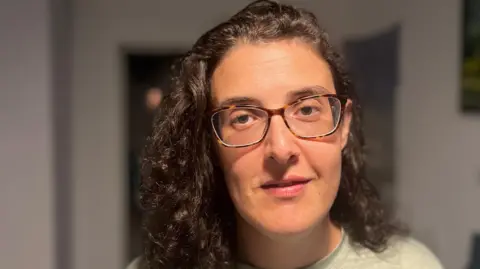
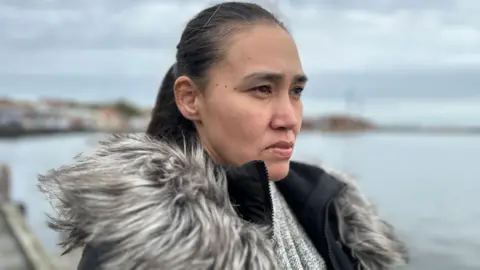
Keira's Heartbreak: After the birth of her daughter, Keira was given only two hours with her before social services took the baby away. Reflecting on that moment, she shares, It felt like a part of my soul died. Keira is one of many Greenlandic families in Denmark challenging the biased parenting assessments that resulted in their children being taken into care.
In May, Denmark banned the use of parental competency tests, referred to as FKUs, on Greenlandic families following significant backlash. These tests, used to determine parental fitness, were often criticized for their potential cultural biases, as they are conducted in Danish rather than in Kalaallisut, the native tongue of many Greenlanders.
Keira's assessment found her lacking in sufficient parental competencies, leading to her daughter Zammi's placement with a foster family. Many other Greenlandic parents face similar scrutiny, with studies showing they are significantly more likely to have children removed compared to Danish parents.
Criticism of FKUs: Critics argue that FKUs often do not meaningfully predict parenting ability, as evidenced by Keira's experience where she was asked answers deemed irrelevant to parenting. The tests include cognitive tasks and general knowledge questions, and critics argue they are rooted in Danish cultural norms that may not apply to Greenlandic families.
The Danish government has signaled intentions to review cases of Greenlandic children taken under these assessments, but as of now, only a small fraction of cases have been revisited. Keira continues to advocate for her daughter, visiting her once a week, bringing elements of their culture such as traditional food.
Wider Implications: Keira's story reflects a broader issue of how systemic biases affect marginalized communities and raises questions about cultural competence within child welfare services. As global awareness of these injustices grows, so does the need for reform that respects cultural rights and promotes family reunification.