Australia's significant social media ban is set to include popular platform Reddit, enhancing its protections for children under 16 from harmful online interactions. This initiative is part of a broader effort by the Australian government to mitigate potential risks associated with social media engagement among minors, effective starting December 10.
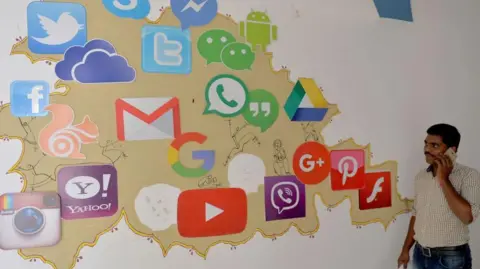
The measure, which now targets nine social media platforms, including well-known names like Facebook, TikTok, and Instagram, stipulates that tech companies could face fines of up to AUD 50 million if they don’t take appropriate actions to deactivate accounts belonging to underage users.
Julie Inman Grant, Australia's eSafety Commissioner, emphasized the importance of delaying children's access to these platforms to allow them time to grow and learn without the disturbing influences of harmful design features that permeate social media.
The ban is described as a preemptive step against online dangers, especially in an age where social interaction increasingly occurs through digital channels. Federal Communications Minister Anika Wells remarked that the initiative is not about achieving perfection but making a 'meaningful difference' in ensuring the online safety of children.
A range of platforms, such as Discord and WhatsApp, are excluded from this ban, as are educational tools like Google Classroom and YouTube Kids. This reveals a targeted approach to protect youngsters as they navigate an expansive digital landscape.
However, the implementation of such stringent measures has raised eyebrows. Critics question how companies will accurately verify age and maintain user privacy, particularly with age verification methods that have inherent risks.
Sociologists and mental health advocates argue that instead of outright bans, a collaborative approach focusing on teaching children effective online navigation and better regulation of harmful content might be more effective. Furthermore, some families are already considering relocating to avoid the restrictions—illustrating the ongoing debate about balancing children's safety and their digital connectivity.
Interestingly, while YouTube was initially exempt from the restrictions, the government has since reversed its stance, highlighting the evolving nature of policymaking in response to rampant digital changes. The increasing scrutiny on platforms primarily designed for social interaction marks a pivotal moment in how governments worldwide may approach child safety online.