In brief
In late June, a ferocious wildfire tore through forested areas near Thessaloniki, killing two people and leaving a teenager missing. Over 100 firefighters and aircraft struggled to contain a 5 km front amid high winds and drought, flagging the growing wildfire threat as temperatures rise. The incident illustrates how climate‑driven aridity fuels such disasters, calling for better prevention and adaptive strategies in Greece and across the Mediterranean.
Two people were found dead as an out‑of‑control wildfire swept through northern Greece on 30 June, forcing nearby residents to flee.
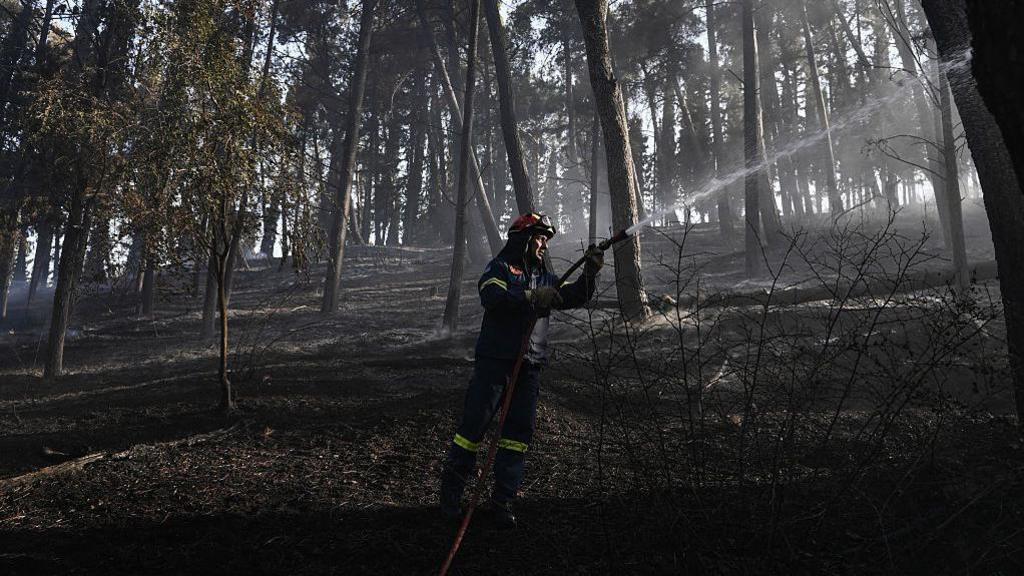
The blaze ignited near the village of Liti, about 15 km northwest of Thessaloniki, and quickly expanded into surrounding forests under a high‑risk alert caused by dry soils and gale‑force winds.
More than 100 firefighters, dozens of fire engines and at least seven aircraft were deployed; yet the fire built a 5‑km wall of flame that continued to spread into the village of Melissochori. The cause remains undetermined, but the storm‑like conditions underline how rising temperatures and unprecedented dry spells intensify fire behavior.
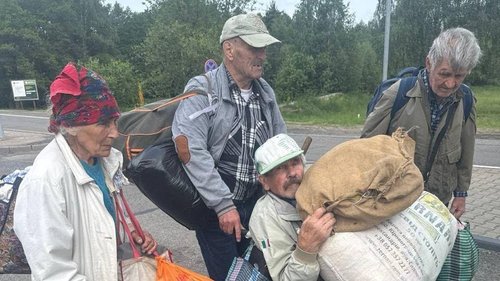
Residents were urged to evacuate; one woman was rescued with burn injuries and is now in stable condition, while a child remains missing. Damage reports indicate a limited number of homes were affected.
Experts emphasize that the increasing frequency of such events in Greece—an effect of Mediterranean heatwaves and prolonged drought—demands a shift from reactive firefighting to proactive ecosystem management. Strategies include controlled burns, reforestation with fire‑tolerant species, and investment in satellite‑based fire‑prediction systems.
With summer tourism nearing its peak, this tragedy serves as a stark reminder: climate‑adapted policies are essential to safeguard communities, natural habitats, and economies from escalating wildfire threats.