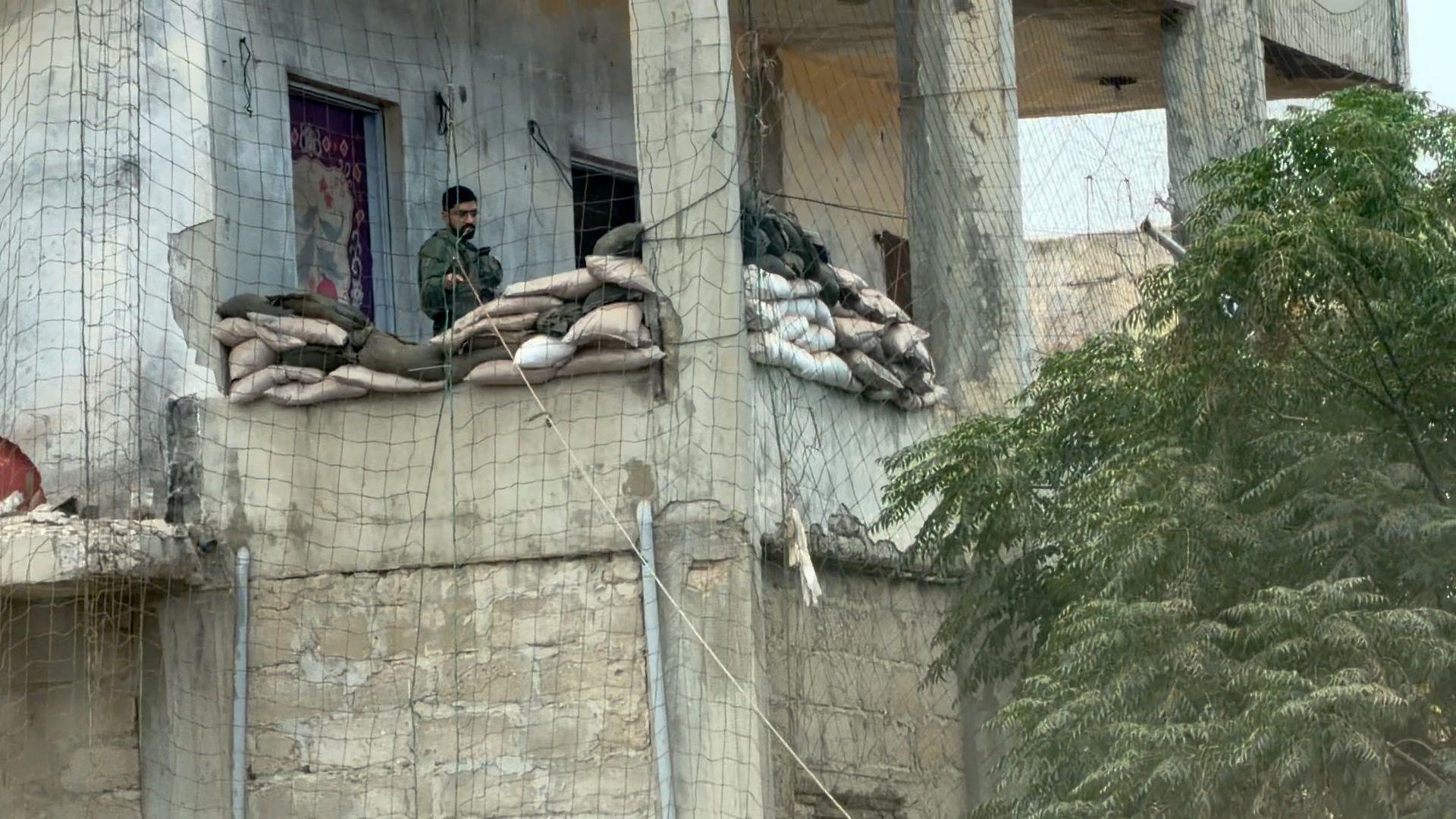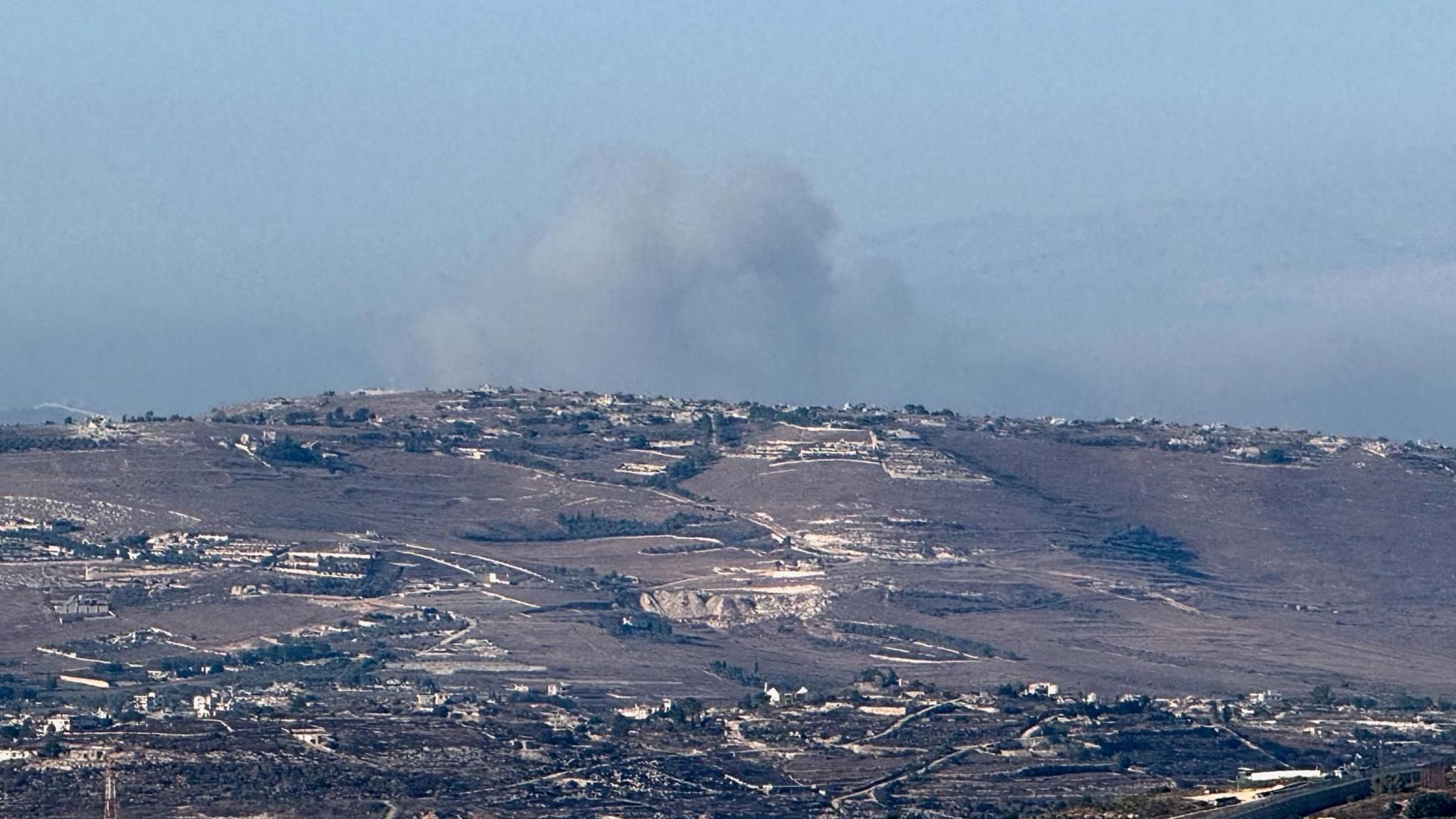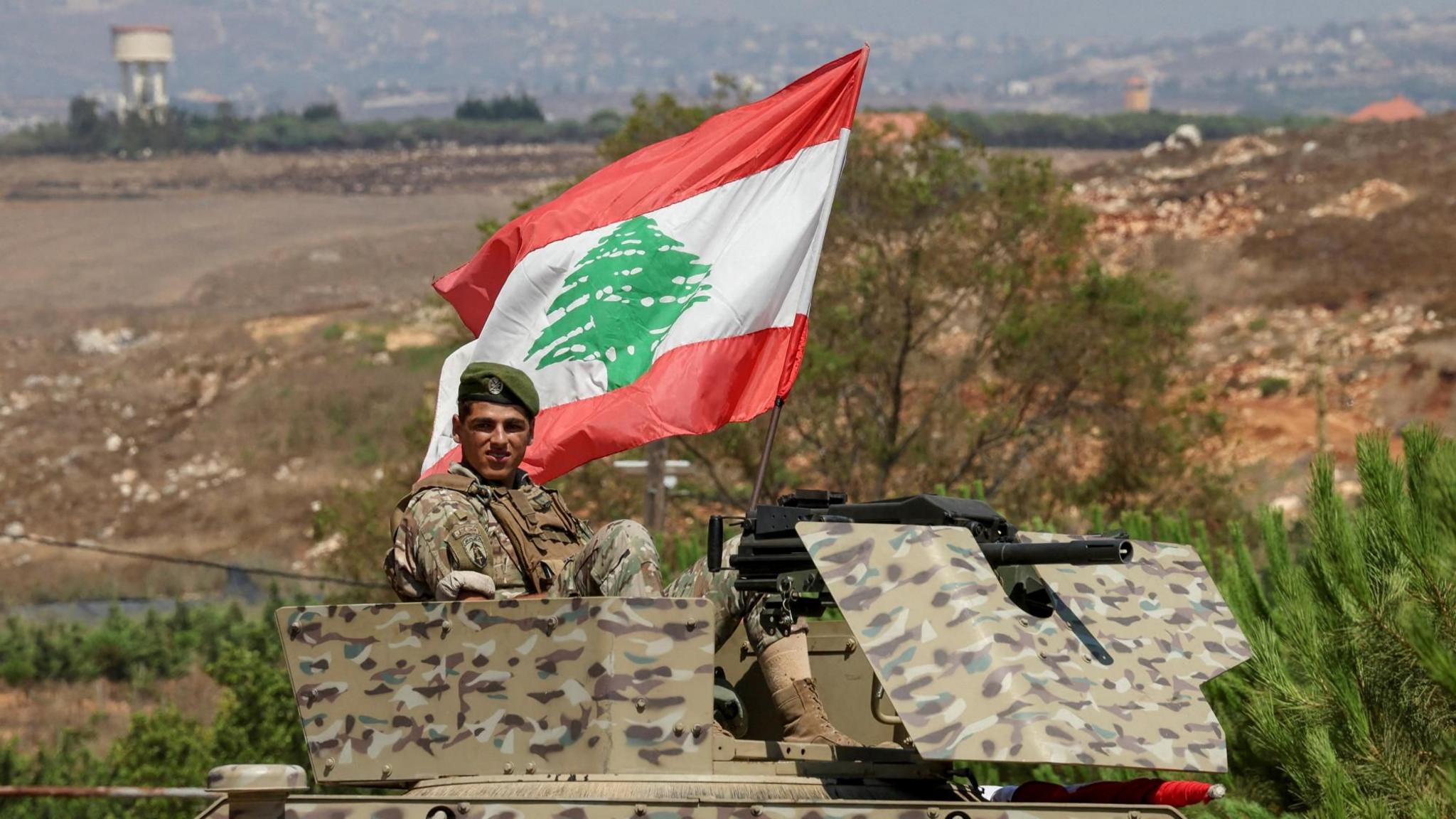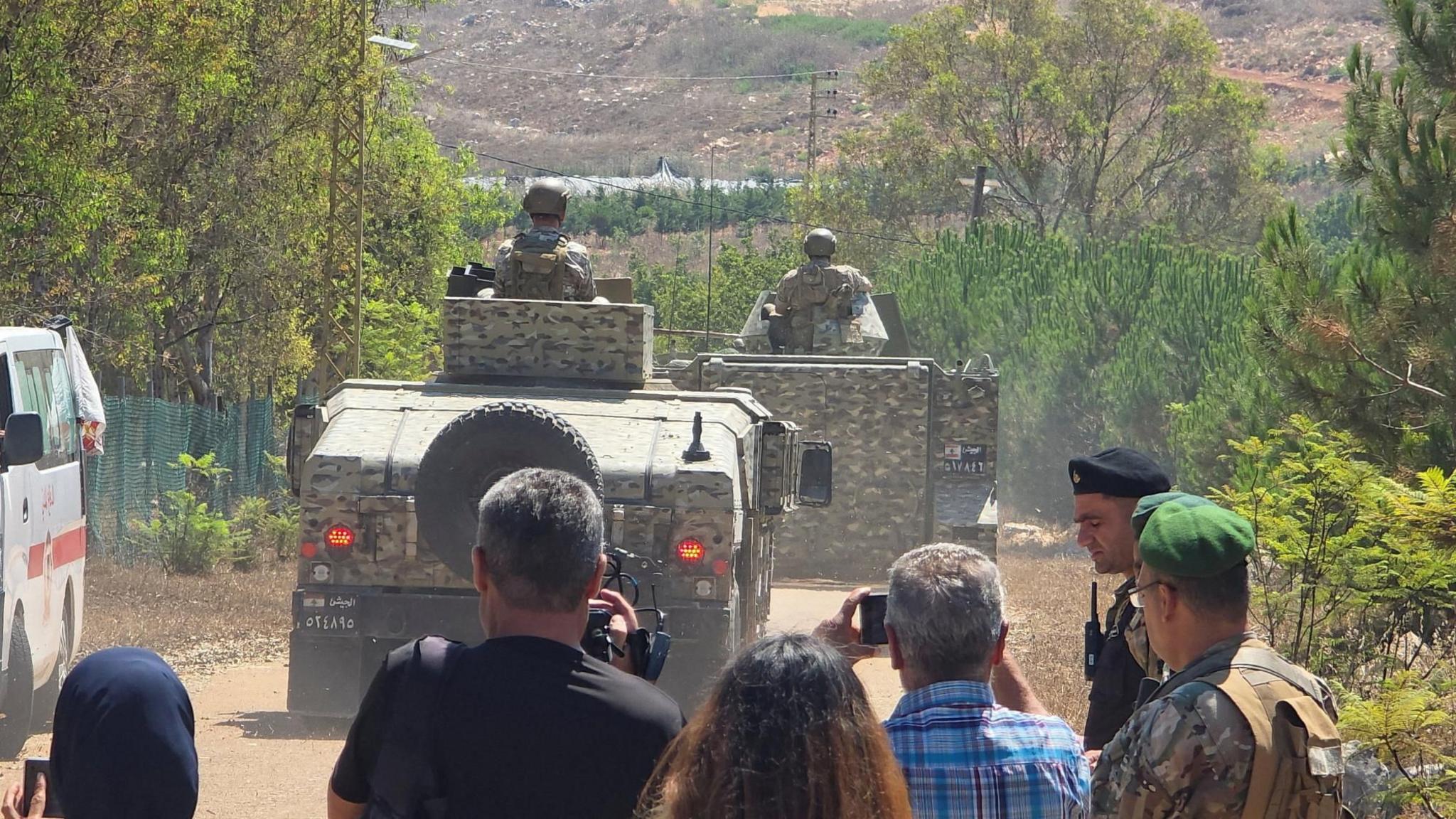
In a landmark shift following a U.S.‑brokered agreement, Lebanon’s army has begun deploying troops to a newly designated "pilot zone" in the south of the country. This move comes after the withdrawal of Israeli forces from a small part of the territory that has been contested since the March 2 conflict between Israel, Hezbollah, the USA, and Iran.
The pilot zone, which includes the village of Zawtar al‑Gharbiyeh in the Nabatieh district, is designed to serve as a testing ground for demilitarisation and the disarmament of the Iran‑backed Hezbollah group. By establishing a controlled environment, the Lebanese army aims to reduce hostilities, improve border security, and lay the foundation for a more stable socio‑environmental landscape.
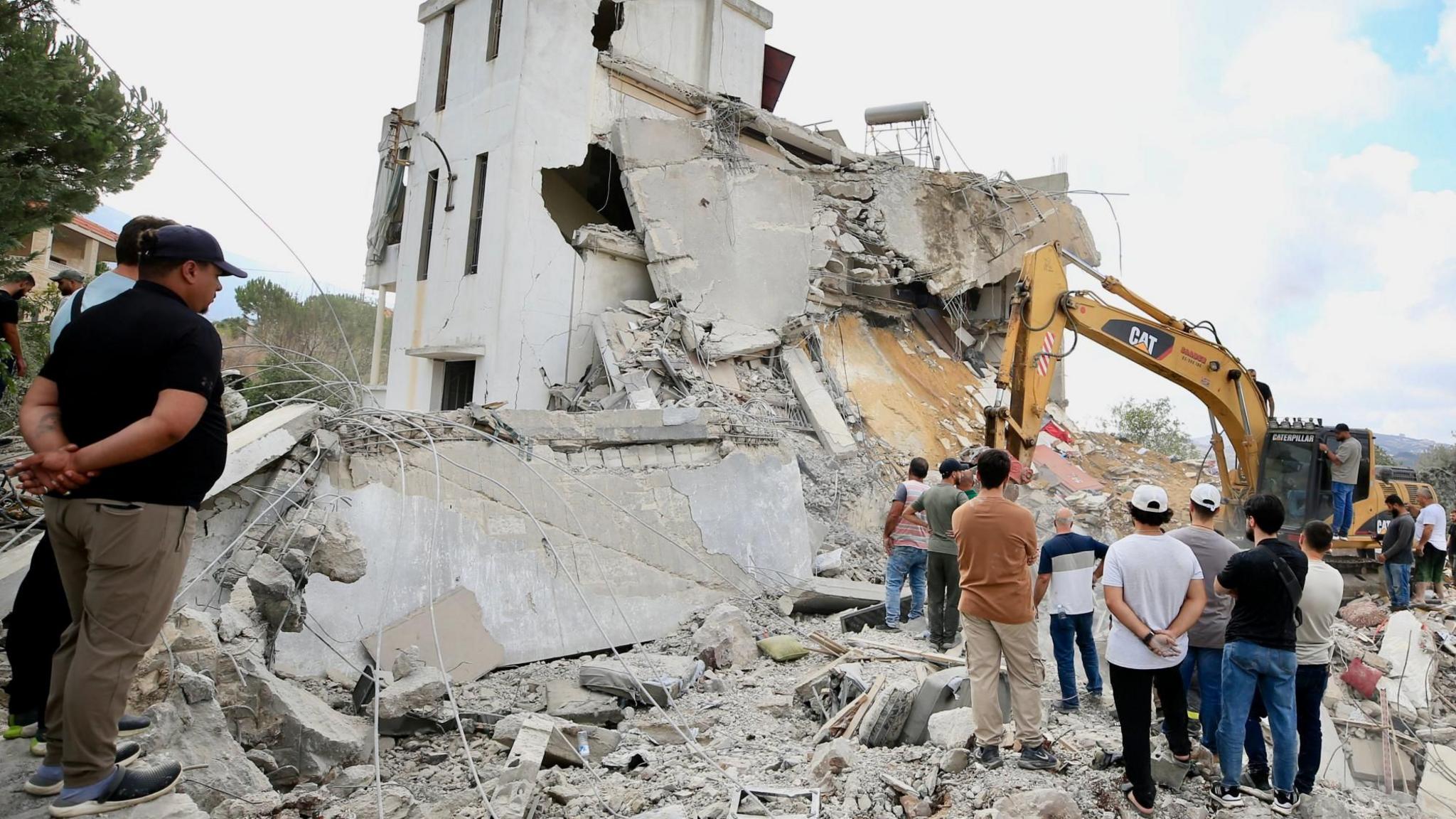
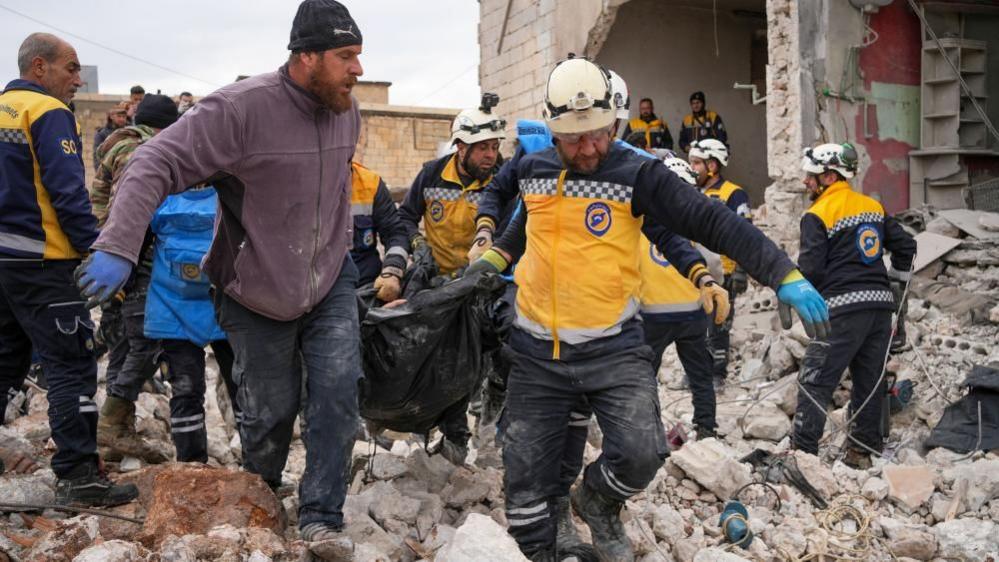
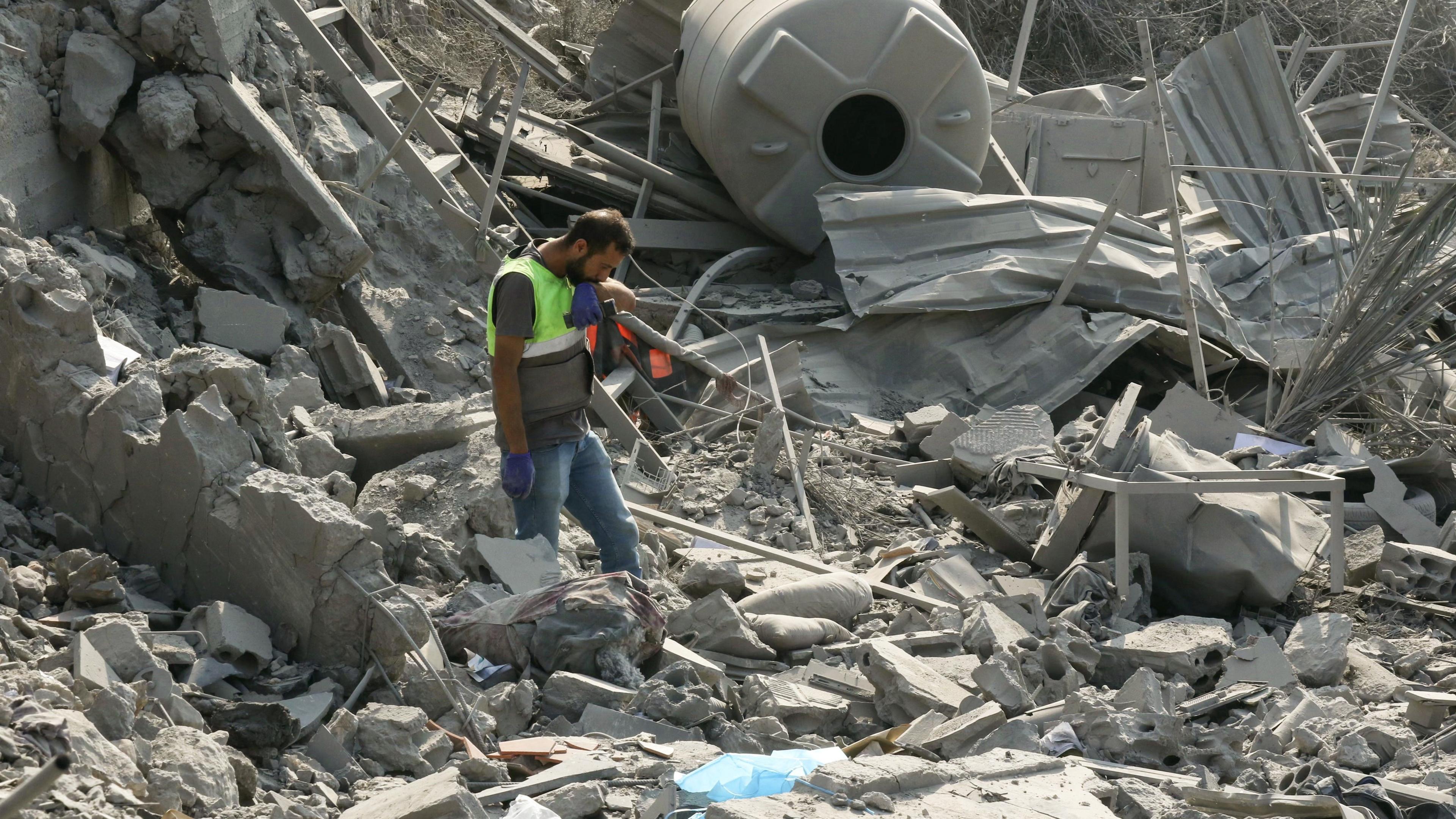
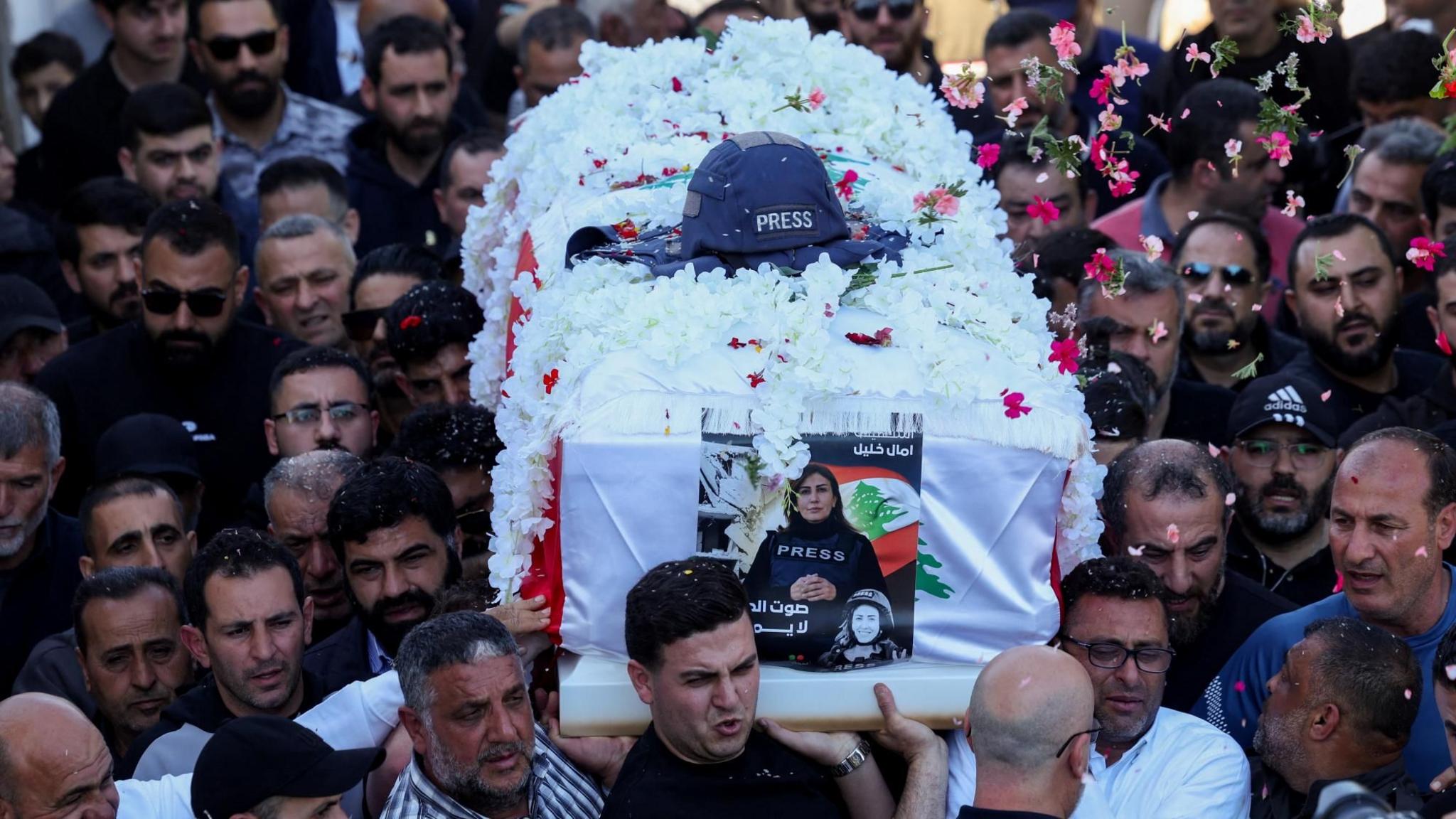
On the battlefield front, the war has already inflicted significant damage: over 4,300 people have been killed, with many civilians and infrastructure destroyed by continuous bombing and shelling. The aftermath brings additional environmental concerns—fuel and weapon disposal on the ground, loss of vegetation, and the disruption of local ecosystems that could have long‑term climate implications.
In light of these challenges, Lebanese and international stakeholders are prioritising green recovery strategies. They are exploring the restoration of wetlands, reforestation of toppled areas, and the revitalisation of community gardens to enhance climate resilience and support displaced populations. The hope is that a stabilised military presence will be coupled with proactive environmental reconstruction to secure a cleaner, more sustainable future for southern Lebanon.