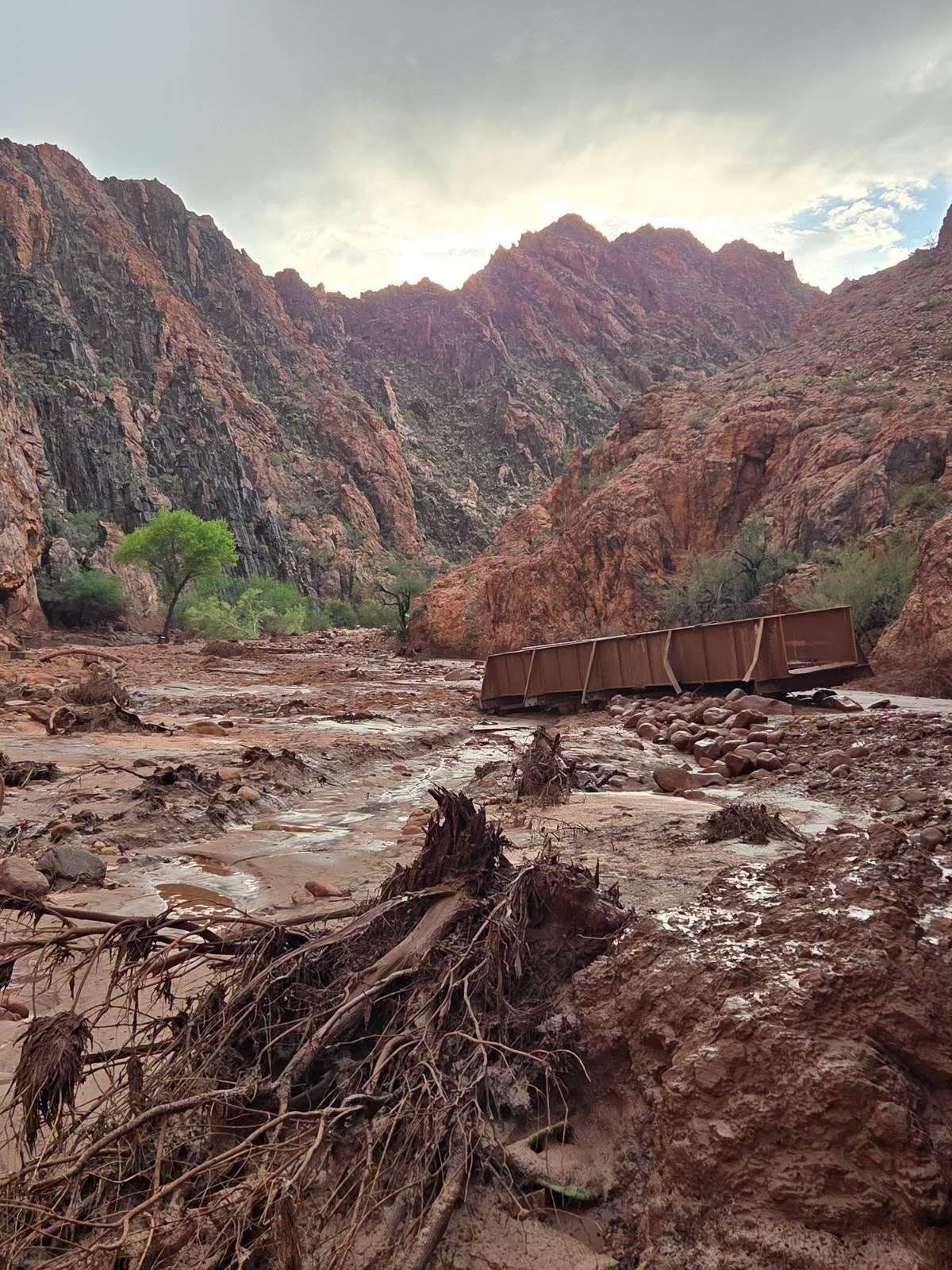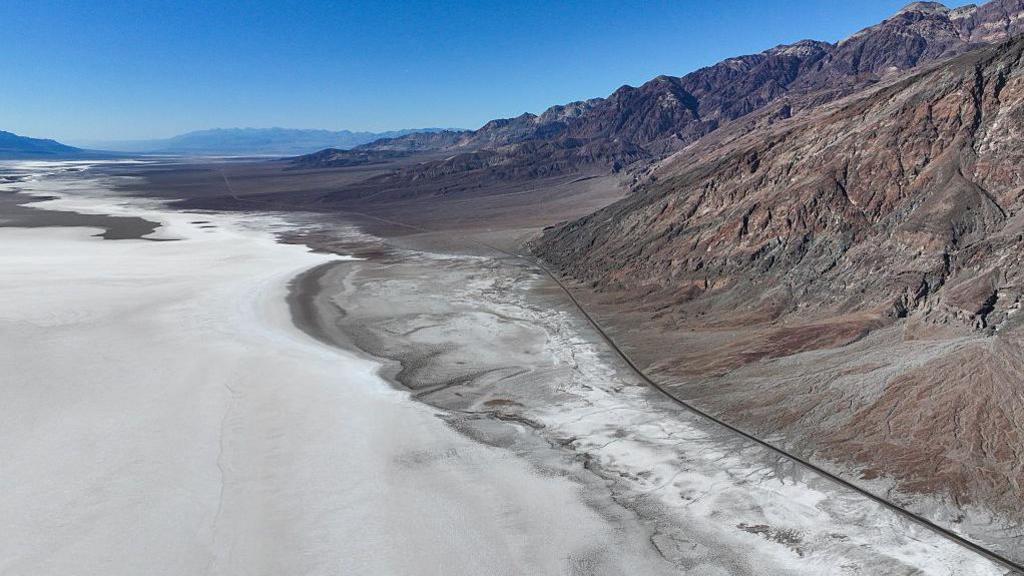
A 68‑year‑old French tourist, Pierre Michel Formosa, lost his life in California’s Death Valley after his car got stuck in mud amid a 46.6 °C (116 °F) heat wave that has gripped the American Southwest.
Police and National Park Service rangers found Formosa on the salt flats after a brief search. He had attempted to head back to the highway, but the extreme heat forced him to stop after walking 1.3 miles. The pair had become stranded on West Side Road and sought help by walking across the salt flats before the temperature became intolerable.
Death Valley National Park Superintendent Mike Reynolds said, "This is a heartbreaking reminder of how quickly conditions here can turn dangerous," and noted that the combination of scorching heat, remote distances and rugged terrain can be deadly even for seasoned travelers.
The incident occurs against the backdrop of a continent‑wide heat wave that has seen record temperatures and hundreds of heat‑related deaths. U.S. official forecasters have declared the summer as one of the hottest yet, and Death Valley itself has recorded e.g. 57 °C (134 °F) in 1913, earning the title of Earth’s hottest spot.
Other high‑profile trips to the Grand Canyon in June have also claimed lives, with at least four hikers dying while trekking in Arizona. These tragedies underline growing concerns over the safety of tourists in an increasingly volatile climate.
The National Park Service stated that coroners will determine the cause and manner of death. Meanwhile, an extreme heat warning remains in effect for Death Valley, urging visitors to plan carefully, bring adequate water and medical supplies, and be mindful of the potentially lethal environment.
As the world faces a warming planet, events such as these point to the urgent need for sustainable tourism practices and policies that protect travelers from the rising threat of extreme heat.