France’s top court has struck down a new ban on social media for children under 15, ruling that it violated freedom of expression and offered no solid protection for mental health.
The legislation, passed by lawmakers in July, was the first European law to prohibit under‑15s from creating accounts on platforms such as TikTok, Instagram and Facebook – a move aimed at curbing exposure to harmful content.
The Constitutional Council found that Article 1 of the bill was “neither appropriate, necessary nor proportionate” and that the required age verification did not establish the legal safeguards necessary to prevent circumvention by minors.
President Emmanuel Macron announced after the ruling that a new draft would be prepared, insisting on swift action to bring the reform online by early 2027. The development of new safeguards will be guided by the council’s analysis.
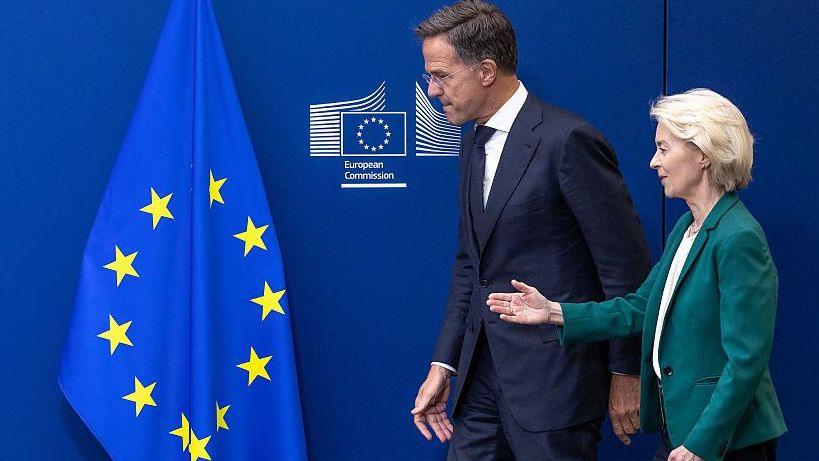
France’s policy is part of a wider European push for stricter digital regulation: in May, the EU Commission’s Ursula von der Leyen suggested a “social media delay” for children; in June, UK Prime‑Minister Sir Keir Starmer announced a ban for under‑16s starting January 2027.
Australia has already passed a 2022 law banning users under 16, although many still use the platforms, raising concerns about the effectiveness of age‑verification schemes and privacy protections.
For those interested in how such bans perform on the ground, proceed to our in‑depth look at Australia’s under‑16 social media ban—20 March 2026—as well as related coverage on innovative age‑verification technologies.
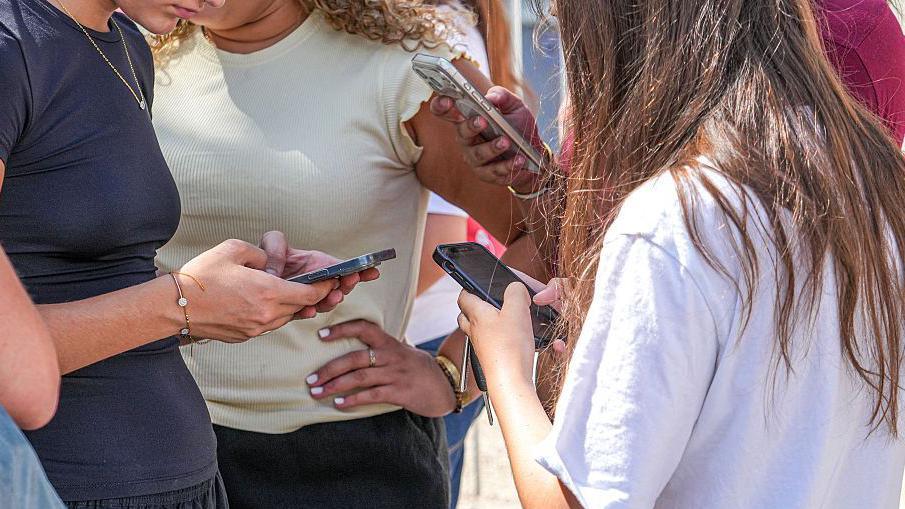
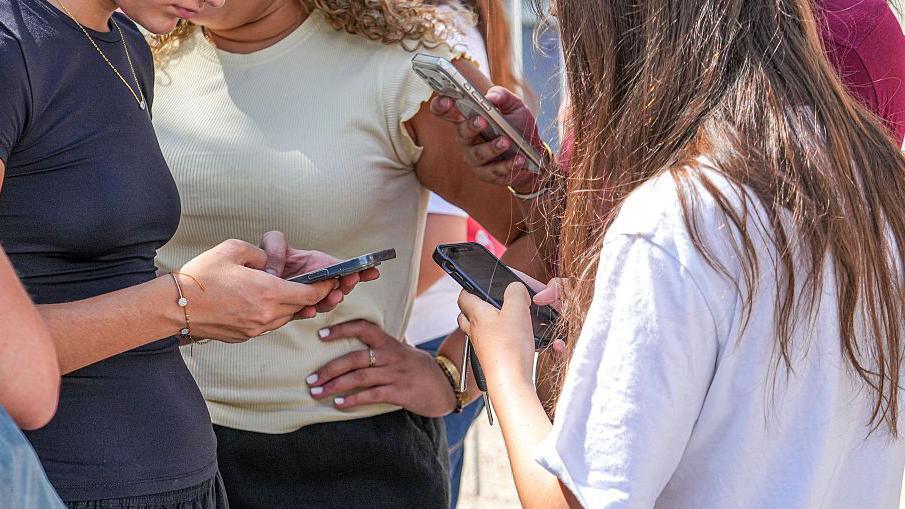
Image: Teenage girls using smartphones at a cafe.