In brief
In a recent decision, the Federal Railroad Administration approved a waiver allowing freight railroads to reduce track inspections from bi-weekly to weekly, leveraging automated technology to identify issues. While proponents argue for improved efficiency and safety, unions express concerns about the limitations of technology, noting that visual inspections are crucial for detecting subtle, combined defects that machines might miss. The ongoing debate highlights the tension between technological advancement and traditional safety protocols in the rail industry.
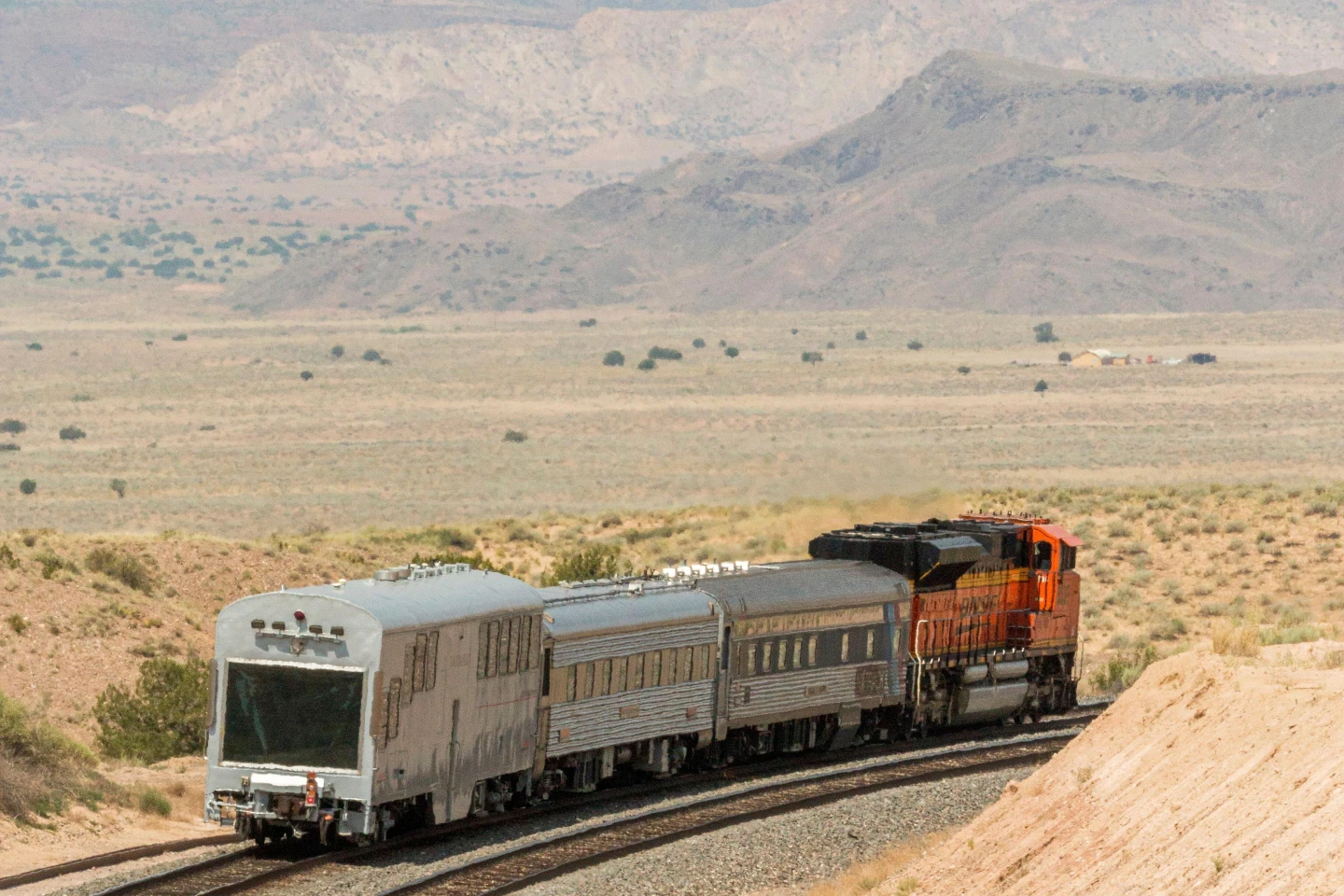
The nation's freight railroads have been granted permission by the Federal Railroad Administration to reduce on-site inspections of tracks from twice a week to once a week, thanks to advancements in automated inspection technology. This decision follows a waiver request by the Association of American Railroads, citing successful tests by BNSF and Norfolk Southern showing enhanced safety despite fewer human inspections.
The automated systems, which utilize high-tech cameras and lasers, are said to effectively catch many issues that could lead to accidents. However, the Brotherhood of Maintenance of Way Employes Division union has voiced concerns, asserting that the technology is inadequate for detecting certain problems like shifting rocks, vegetation encroachment, and cracks in tracks. Union President Tony Cardwell emphasized that visual inspections uncover everyday defects that machines might overlook.
While railroad representatives argue that these machines can identify track geometry changes indicating underlying problems, trades unions insist that human inspectors provide irreplaceable familiarity with rail territories, enhancing defect detection. Critics of the decision warn that reducing inspections could lead to potential derailments, fostering an ongoing debate about the balance between embracing technology and ensuring safety on the tracks.
Both BNSF and Norfolk Southern have claimed that automated inspections have proven to be more effective than manual checks, with BNSF reporting significantly higher defect detection rates during tests. However, unions worry that without regular inspections, inspectors may lose touch with the nuanced conditions of the tracks, complicating future defect identification.
While railroads focus on technology to increase efficiency, the union calls for these automated systems to be used in conjunction with, not as replacements for, traditional inspection methods. The safety of rail operations rests on ensuring that advanced technology does not come at the cost of vigilance and human oversight.