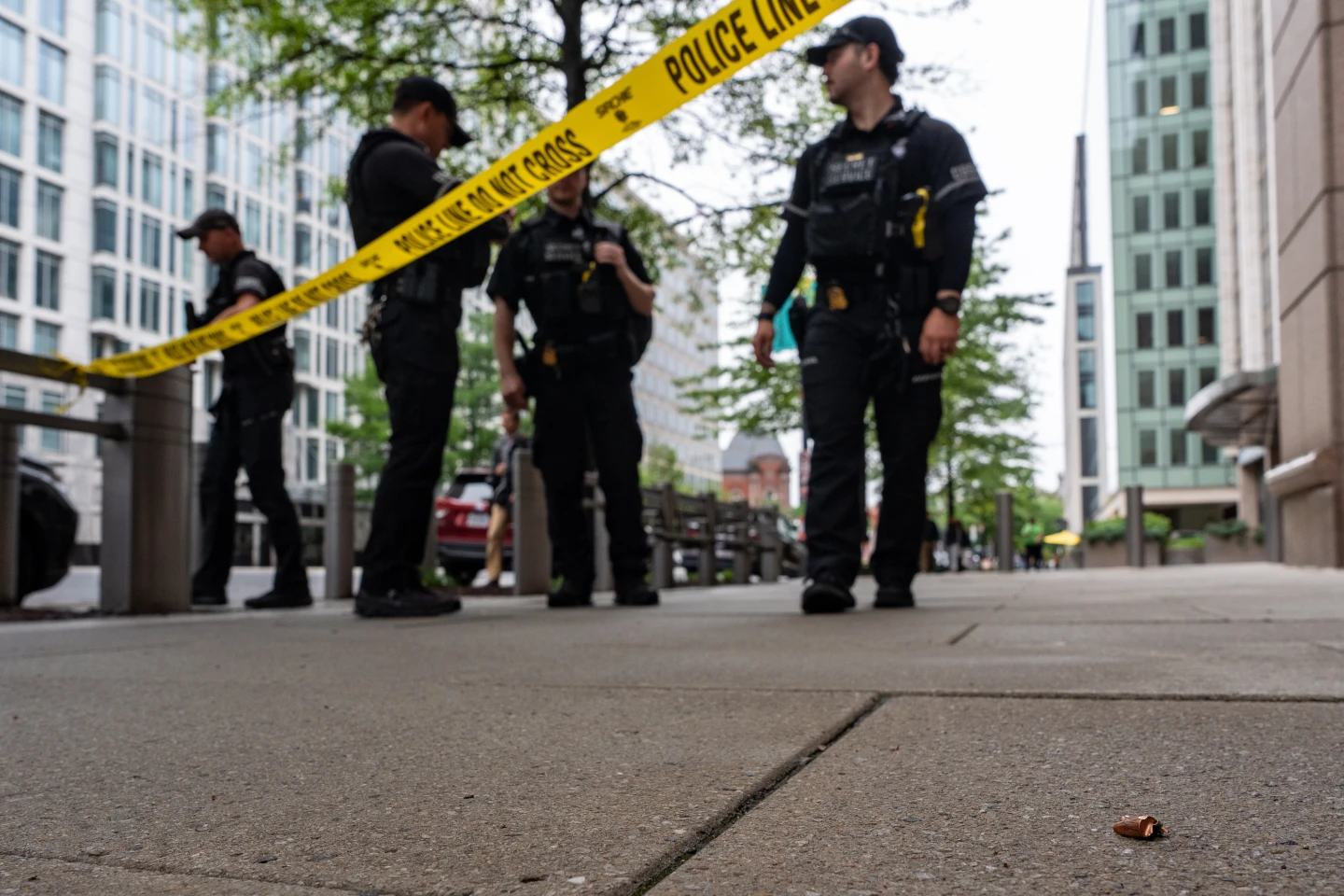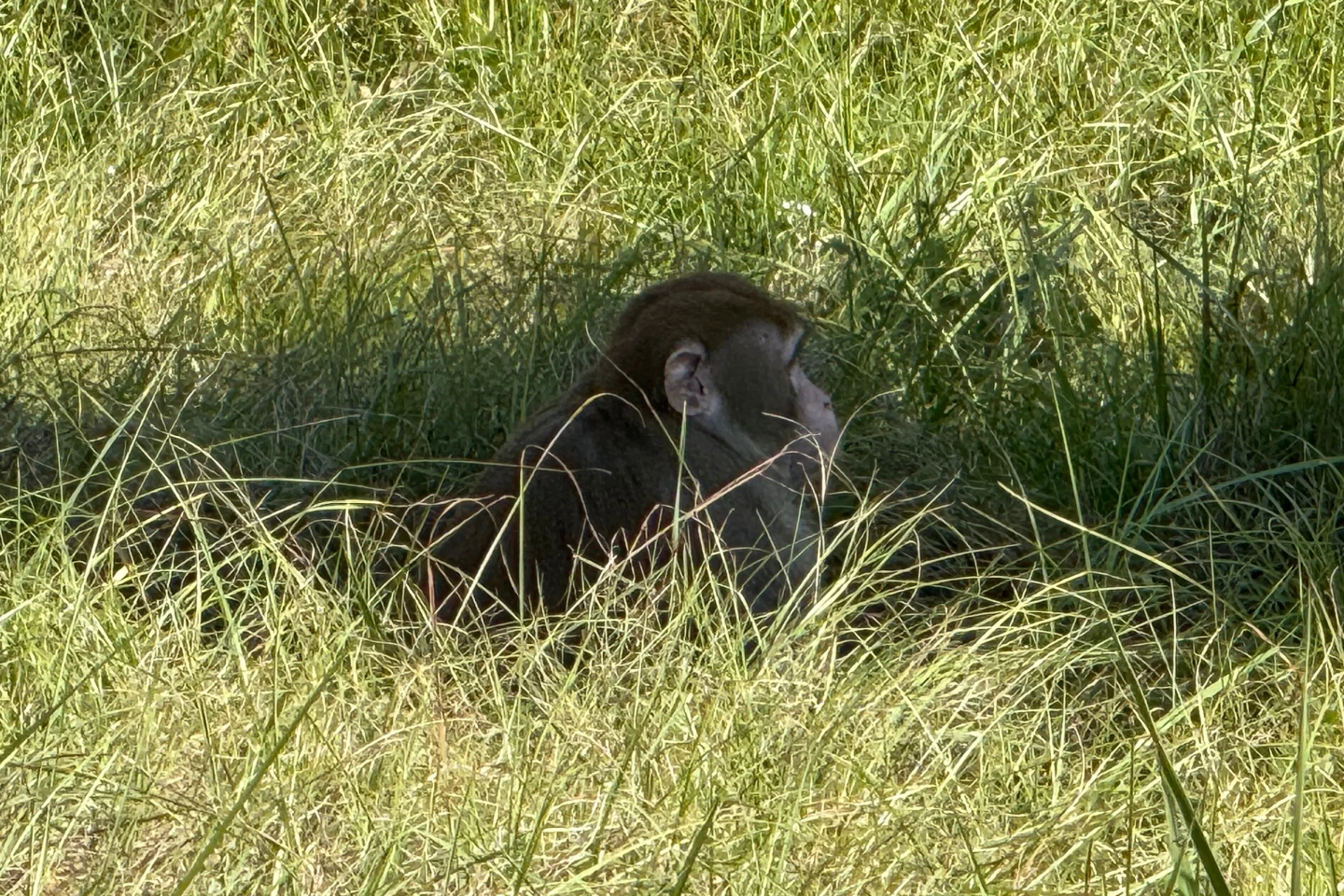
HEIDELBERG, Miss. (Echosphere) — A recent incident in Mississippi involving an escaped Rhesus monkey has ignited discussions about the ethical treatment of animals in research and the responsibilities of research institutions. A homeowner shot the monkey after fearing for her children's safety.
Jessica Bond Ferguson, a mother of five, reported seeing the escaped monkey near her home at around 6 a.m. on Sunday. Alerted by her teenage son, she armed herself and went outside, where she spotted the monkey. Concerned about potential disease transmission from the escaped animal, she decided to shoot.
In her own words, Ferguson stated, I did what any other mother would do to protect her children. She fired at the monkey, which eventually succumbed to its injuries. The local sheriff's office confirmed the shooting and the subsequent possession of the monkey by the Mississippi Department of Wildlife, Fisheries, and Parks.
The Rhesus monkeys had escaped following a truck accident. They were housed at the Tulane University National Biomedical Research Center in New Orleans, Louisiana. Tulane University clarified that the monkeys were not university property and were not being transported by them.
This incident raises critical questions about the safety protocols in transporting research animals and the broader implications of biomedical research practices. Advocates for animal welfare are calling for stricter controls and more humane treatment procedures, stressing that the responsibility lies with research institutions to ensure the welfare and safety of both animals and the public.