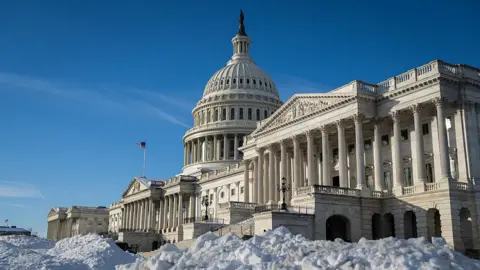
Boeing will avoid a criminal charge in the US linked to two deadly 737 Max crashes, after a court granted a request from the US government to dismiss the criminal case.
In his ruling, Judge Reed O'Connor said he disagreed that dropping the charge was in the public interest but stated his concerns did not provide sufficient reason to deny the proposal. This decision represents a significant victory for Boeing, which faced allegations last year of violating an earlier settlement related to the crashes, leading to the threat of prosecution.
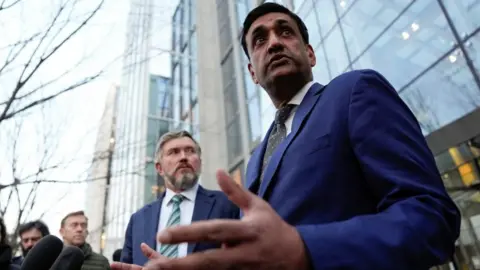
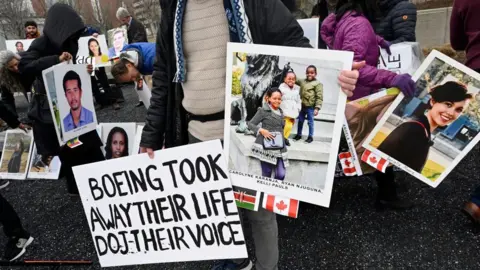
The dismissal was opposed by some of the families of those who lost their lives in the accidents, who had wanted to hold Boeing accountable in court. Lawyer Paul Cassell, representing some families, announced intentions to appeal the ruling, commenting that the courts don't have to stand silently by while an injustice is perpetrated.
Judge O'Connor acknowledged the government's apprehensions about the trial but felt compelled to respect their request, stating that he presumed they were acting in good faith. The Department of Justice (DOJ) defended its agreement, claiming it was reached after extensive consultation with the victims' families, who presented diverse perspectives.
According to the DOJ, the new agreement offers closure for victims and mandates immediate actions from Boeing. In a statement, Boeing reaffirmed its commitment to enhancing safety, quality, and compliance measures.
The case's background includes two significant 737 Max accidents in 2018 and 2019, resulting in 346 fatalities. Following these events, Boeing faced one count of criminal fraud conspiracy, accused of withholding crucial information regarding its flight control software implicated in the crashes. Though admitting to the allegations, Boeing dodged prosecution by agreeing to pay $2.5 billion in fines and compensation in 2021 while pledging to improve safety practices.
The resurgence of the case was initiated when an unused door detached from a 737 Max mid-flight, prompting the DOJ to claim Boeing had breached the original agreement. A new proposal from the DOJ in 2024 included a guilty plea from Boeing, a fine of $243 million, and oversight by a court-appointed monitor, which was ultimately rejected by Judge O'Connor due to concerns about the monitor's appointment.
This recent settlement proposal ignores the criminal charge, which could have hindered Boeing's capacity to operate as a government contractor. It still obligates the company to engage an independent compliance consultant and fulfill financial commitments exceeding $1.1 billion, inclusive of additional penalties and compensation for families. The government's decision to dismiss the charge was justified by Boeing's meaningful progress in fraud and conspiracy prevention this year.