In brief
On a Saturday marked by widespread unrest, half a million French citizens took to the streets to demand better investment in education, fight soaring costs of living and push for more aggressive climate policies. The protests, rooted in months of student‑led activism, escalated into violence with fires, looting and clashes with riot police, leading to over 1,200 arrests. President Macron condemned the disorder, vowing to prosecute those responsible, while many protestors cited climate in their demands, underscoring the link between social justice and environmental stewardship. The day’s events have intensified calls for accountability and swift policy change across Europe.
In a sweeping display of civic dissent, an estimated 550,000 people converged on streets from Paris to Toulouse on Saturday, rallying against the mounting cost of living, call for greater investment in education, and a push for France to step up its climate commitments.
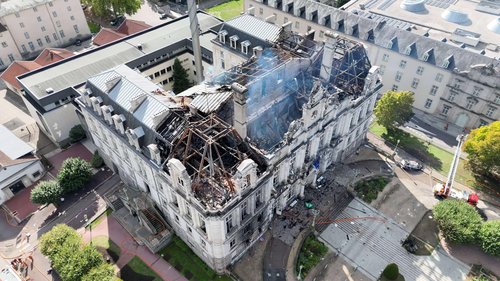
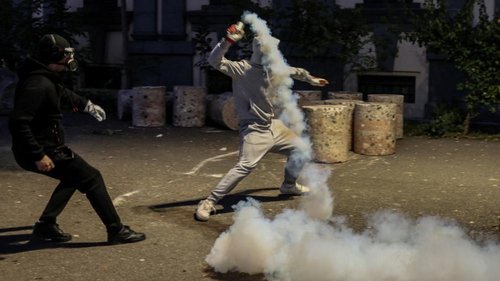
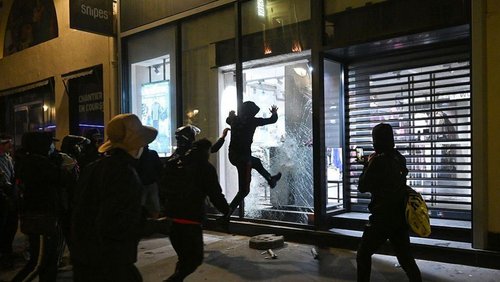
What began as placid demonstrations soon devolved into violence. Protestors lit vehicles and buildings on fire, set shops ablaze, and clashed with riot police who deployed tear gas and water cannons, resulting in more than 1,200 arrests.
“Vandals and looters will be prosecuted and punished,” President Emmanuel Macron warned in a televised address. Yet, for many activists, the incident underscored a broader grievance: the failure of current policies to address looming environmental challenges, which they argue are intertwined with social inequity.
Student leaders—who had led protests for weeks—joined ranks of workers, retirees and ordinary citizens, illustrating how diverse groups see climate urgency as a pillar of economic and social reform. The day’s chaos has sparked renewed debate across Europe about how to translate civic pressure into concrete, climate‑friendly legislation.