In brief
The city of Goma, Democratic Republic of Congo, grapples with the aftermath of a devastating assault from the M23 rebel group, leading to thousands of bodies needing burial, sparking health emergencies.
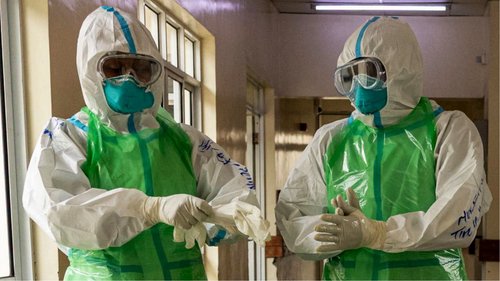
In Goma, the weight of mourning has become unbearable as the city confronts a crisis that has seen nearly 3,000 lives lost in a single week due to fierce battles between rebels and governmental forces. The relentless violence has resulted in an urgent influx of body bags as the local populace faces the grim reality of overwhelming death tolls.Though the fighting has ceased, the specter of disease haunts Goma, prompting those involved in burial efforts to don makeshift protective gear amidst concerns for their own health. The International Red Cross and other humanitarian organizations have been working tirelessly to care for the wounded and provide dignified burials for the deceased.As graveyards reach their limits, workers have resorted to digging into the dark, volcanic terrain to create space for the newly departed. Each body is treated with respect, marked with a dedicated identifier in the hope of honoring their memory even in death.The violence in Goma marks one of the deadliest episodes in the ongoing conflict that has plagued the Democratic Republic of Congo for decades. The M23 rebel group, accused of receiving support from neighboring Rwanda—which denies the allegations—has exacerbated tensions and raised fears of a wider regional conflict.With millions having perished over the past 30 years amid land disputes and ethnic strife, the swift rise in fatalities within such a short timeframe has left experts in shock and concern. As Goma begins to dialogue about rebuilding, the scars of this week will be felt long into the future.