In brief
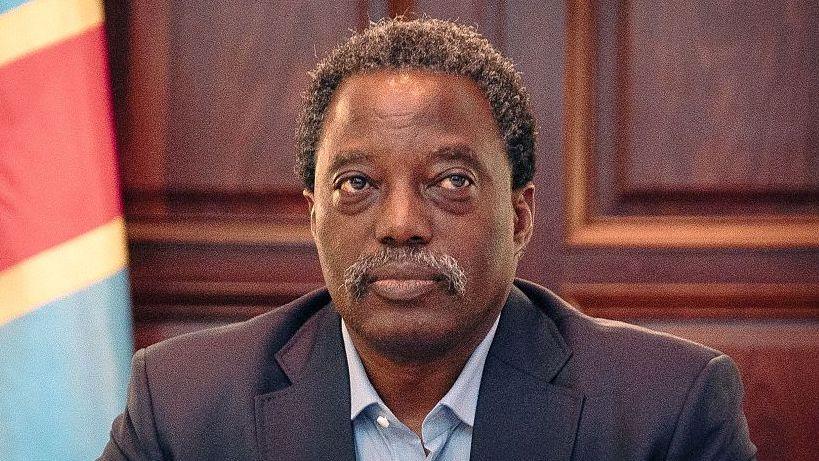
Joseph Kabila, who ruled the DRC from 2001 until 2019, has been announced as the leader of the Front for the Refoundation of the Nation, an armed group calling for the overthrow of President Tshisekedi’s government. The coalition has pledged that it will use force to end what it terms tyranny, with key leaders drawn from the M23 rebel movement that controls parts of eastern Congo. Kabila’s involvement follows a death sentence in absentia for treason and a series of accusations that the current administration ignores his proposals to end the violence. The move occurs amid a backdrop of intense violence, a battery of armed groups, and continued conflict‑mining that threatens the region's forests and rivers. As elections loom in 2028, the new coalition could change the political calculus and intensify ecological damage.
Joseph Kabila named leader of new rebel coalition
Former President Joseph Kabila, who ruled the Democratic Republic of Congo for 18 years, has been identified as the chief of the Front for the Refoundation of the Nation (FRN), a new armed group that vows to topple President Félix Tshisekedi’s administration.
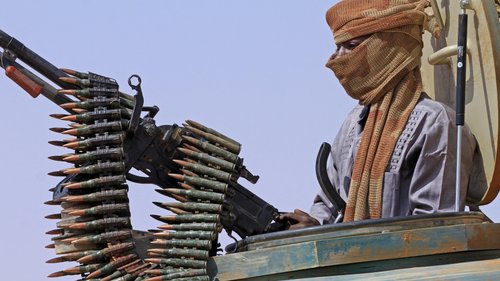
The FRN has declared that it will use force, if necessary, to eliminate what it calls tyranny in the country. An announcement made on Monday at Kabila’s residence in Goma, a city currently under M23 control, revealed the quartet of deputies who will assist him – the group also includes Sultani Makenga, the M23 commander.
This move follows a death sentence in absentia that was handed to Kabila last year for treason. The ex‑president had earlier denied any ties to the M23 rebels, making the current turn to armed opposition unprecedented.
The Congolese government has not yet commented on the revelation, but tensions have already escalated with Kabila’s recent speeches accusing Tshisekedi’s administration of ignoring his proposals to end the eastern conflict, undermining constitutional rule, and mismanaging the economy. He has also highlighted failures in security and alleged arbitrary arrests of political opponents.
The country’s political climate remains unstable. More than 100 militia groups operate across the east, vying for control of the region’s mineral wealth – gold, diamonds, tin and coltan – that powers the global electronics market. The widespread mining has severely degraded forests, disturbed rivers, and exacerbated climate change through uncontrolled extraction practices.
The rise of the FRN could deepen the cycle of violence, further disrupting environmental stewardship and hindering efforts to mitigate climate impacts in the region. With Tshisekedi’s second presidential term ending in 2028, the political future is unclear, as the parliament moves toward a referendum that could lift the two‑term limit. Public protests in the capital have already signaled escalating opposition to any such change.
While the political struggle for power continues, it is essential to recognize how conflict-driven exploitation of natural resources drives ecological degradation and threatens the climate resilience of the DRC’s ecosystems.
© AFP via Getty Images – image sourced from BBC News Africa.