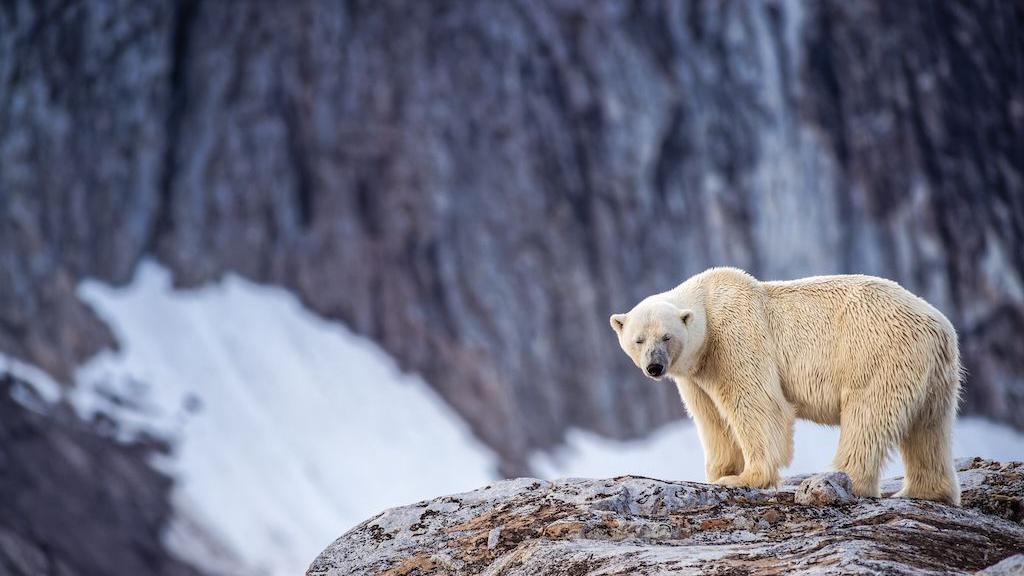
In Svalbard last month, a tourist was fined NOK 50,000 for sounding a foghorn that woke a sleeping polar bear, a protected species under the Svalbard Environment Act.
The incident took place on a vessel in a fjord about 1,000 kilometres from the North Pole. According to the governor, the ship’s occupants spotted a bear on the ground and used the foghorn, causing the animal to relocate.
Svalbard’s wildlife laws, adopted in 1972, prohibit needless disturbance of polar bears and other Arctic fauna. The fine, accepted by the individual, underscores the growing enforcement of these protective measures.
With roughly 250 polar bears recorded in the archipelago in 2015, the incident highlights the vulnerable status of the species amid rising tourism and climate change. Similar penalties have been imposed for elephants, seals and walruses, signalling a push for sustainable tourism.
Eco‑activists call for stricter visitor guidelines and advances in technology that can reduce human impact on fragile ecosystems. Protecting the Arctic’s iconography and the broader marine environment is seen as essential for the planet’s future.