In brief
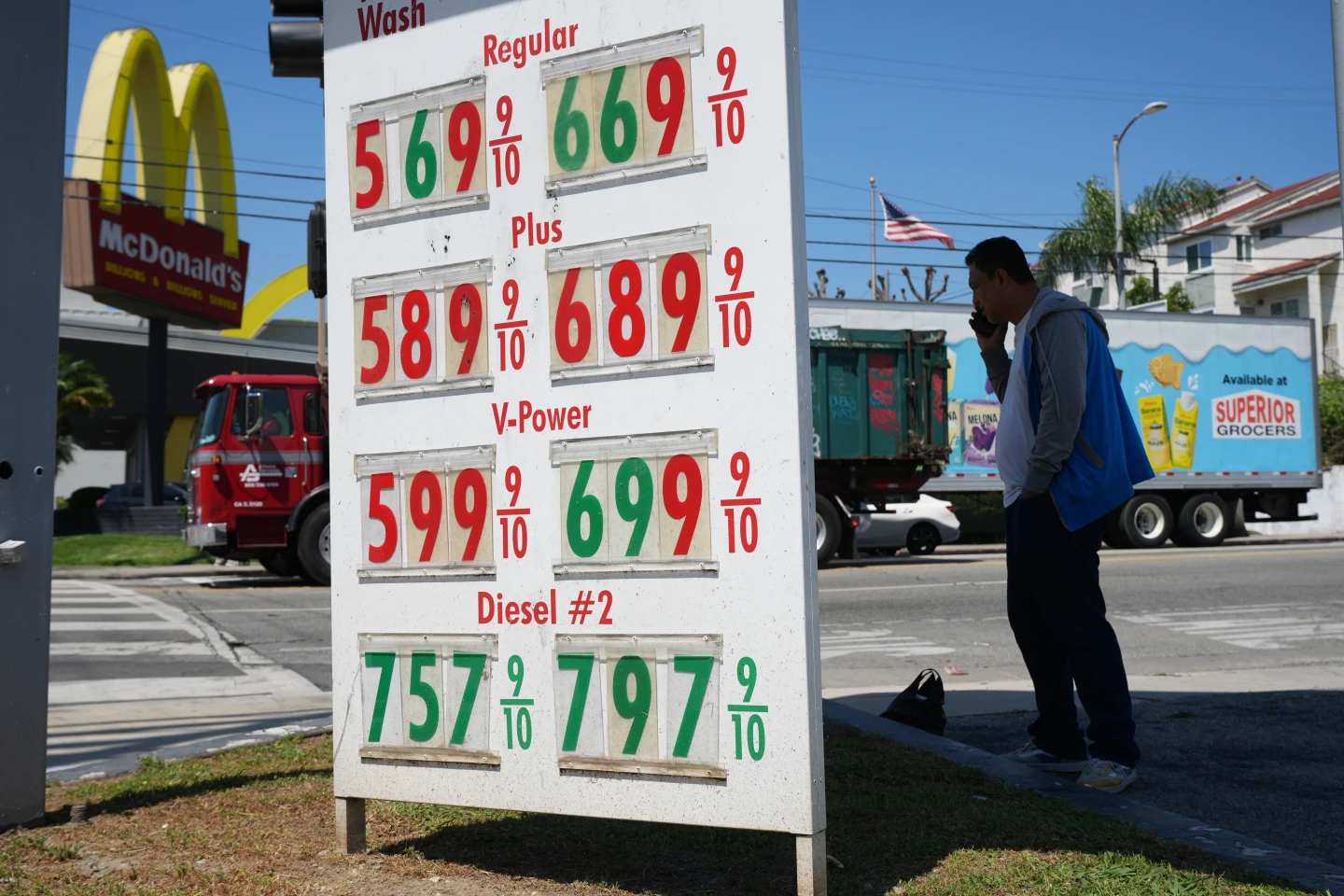
As gas prices soar across America, many drivers are discovering that fuel on Native American reservations can be noticeably cheaper thanks to tax exemptions. This trend is especially prominent in states like California, New Mexico, and Washington, where tribally-owned stations often undercut local gas prices. Beyond providing financial relief, these gas stations serve as vital community assets, supporting a range of services like education and healthcare on reservations.
FORT COLLINS, Colo. (AP) — As gas prices hit record highs in various parts of the United States, some drivers have turned their attention to Native American reservations, where fuel prices often linger below those found in surrounding markets thanks to tax exemptions.
Junelle Lewis from the Seattle area made the trip to the Tulalip Reservation specifically to fill her Chevrolet Suburban for $4.84 a gallon, finding it about 75 cents cheaper than stations back home. “Gas is ridiculous. But I must say, this gas station is usually among the cheapest,” Lewis stated.
Across the U.S., especially in California, New Mexico, and New York, drivers are utilizing apps such as Gas Buddy to search for cheaper fuel options, with many reservations featuring tribal gas stations that are often exempt from state fuel taxes.
Nationwide, fuel prices have surged by over $1 since the onset of geopolitical tensions impacting oil supplies. With averages reaching $4.15 per gallon, these price jumps are set to add to ongoing inflation worries.
However, for customers like Jamie Cross, who tends to fuel up on the Mescalero Apache Reservation, this week saw gas sell for as low as $3.79, bringing welcome respite amidst rising costs.
One of the main driving forces behind these lower prices is the exemption from state fuel taxes. Federally recognized Native American tribes enjoy a unique legal standing, allowing them to sell fuel without incurring state taxes, which can reach as high as 71 cents per gallon in some states.
With nearly 500 tribally owned convenience stores operating gas stations across the U.S., these drivers often find themselves in a position to save money. While gas sales are not necessarily the breadwinner for these stations, they offer critical community services by providing essential supplies in areas that are often termed 'food deserts.'
As the Tulalip Tribes Federal Corporation CEO Tanya Burns noted, revenue generated from gas sales contributes to funding vital services such as roads, education, and healthcare for the community. So, while many drivers may be seeking cheaper fuel, they’re also supporting their communities in the process.