In brief
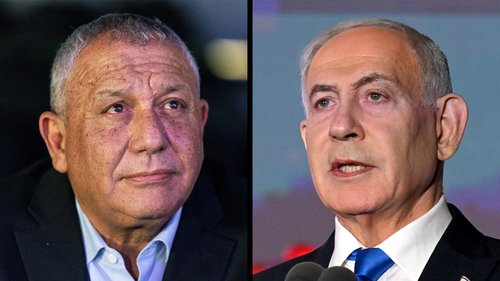
The International Criminal Court (ICC) has issued arrest warrants for Israeli Prime Minister Benjamin Netanyahu and former defense minister Yoav Gallant, marking a significant diplomatic milestone. This event underlines the growing influence of the ICC and the potential challenges facing powerful countries regarding international accountability.
The issuance of arrest warrants by the International Criminal Court (ICC) for Israeli leaders Benjamin Netanyahu and former defense minister Yoav Gallant has marked a historic moment in international law, spotlighting a potential shift in global power dynamics. This unprecedented move is the first instance of leaders from a modern Western democracy being accused by a global judicial body of war crimes and crimes against humanity. For many in the global south, this development may be perceived as a sign that international organizations are no longer exclusively serving Western interests.Although neither Israel nor the United States is a signatory to the ICC, about 120 nations are committed to executing these arrest warrants should the accused step on their territory, even if inadvertently due to unexpected travel changes. Philippe Sands, an international law expert, clarified that the warrants are binding, meaning that any signatory state is obligated to arrest and transfer Mr. Netanyahu and Mr. Gallant to The Hague.However, the past compliance records of nations indicate that not all countries adhere strictly to arrest warrants, especially when dealing with powerful figures. For example, Mongolia, an ICC member reliant on Russian energy, did not arrest President Vladimir Putin (wanted for war crimes in Ukraine) during a state visit in September, honoring him with a public ceremony instead. Likewise, South Africa sidestepped the issue during a recent summit by avoiding Putin’s physical attendance altogether.In Brazil, President Luiz Inácio Lula da Silva suggested that there would be “no reason” for Putin to fear attending a significant summit, yet the Kremlin opted to send a representative in his place. These instances demonstrate the complexities nations face when confronted with international legal obligations, particularly as geopolitical alliances complicate adherence to judicial mandates.As the situation unfolds, the implications for international relations and the enforcement of global judicial authority are profound. The response of various countries to the ICC warrants may reshape diplomatic interactions and push for a re-evaluation of accountability frameworks on the world stage.