Saudi Arabia has surpassed its record for the number of executions carried out annually for a second year in a row.
At least 347 people have now been put to death this year, up from a total of 345 in 2024, according to the UK-based campaign group Reprieve, which tracks executions in Saudi Arabia and has clients on death row.
This has been described as the bloodiest year of executions in the kingdom since monitoring began with the latest victims including two Pakistani nationals convicted of drug-related offenses.
Other executed individuals include a journalist and two young men who were children at the time of their alleged protest-related crimes. Five women were among those executed.
Reprieve highlights that about two-thirds of these executions involved non-lethal drug-related offenses, which the United Nations has flagged as incompatible with international norms and standards. Most of the executed were foreign nationals caught up in what is described as a war on drugs in the kingdom.
The Saudi authorities have not responded to inquiries regarding the rise in executions.
Jeed Basyouni, Reprieve's head of death penalty for the Middle East and North Africa, stated, Saudi Arabia is operating with complete impunity now. It's almost making a mockery of the human rights system. She condemned the systemic issues of torture and forced confessions prevalent within the Saudi justice framework.
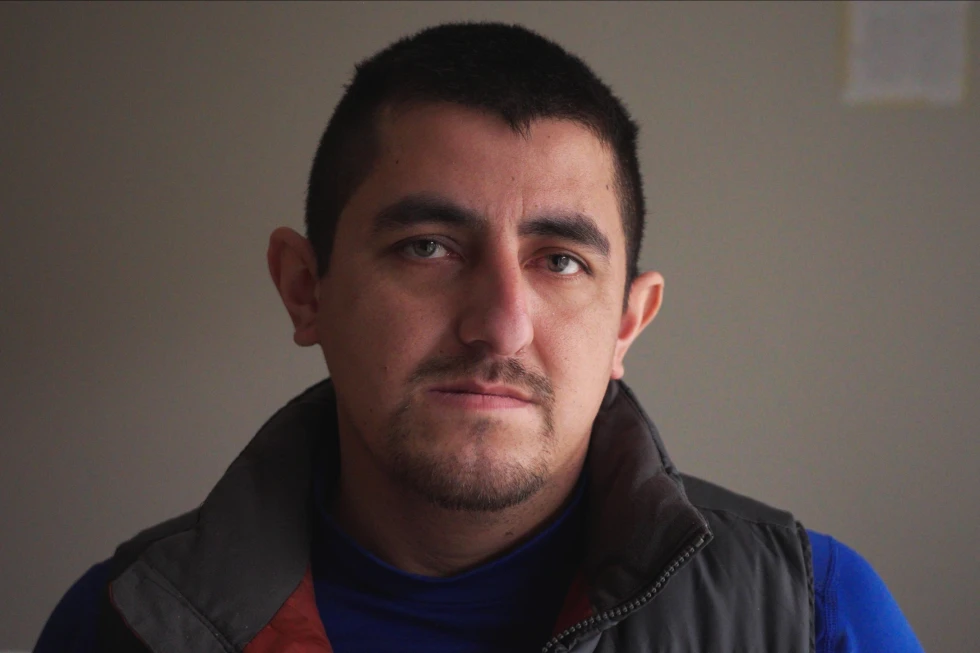
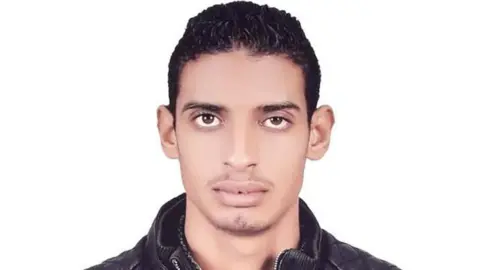
On Tuesday, an Egyptian fisherman, Issam al-Shazly, was executed after being accused of drug smuggling under duress. His execution is a stark reminder of the recent surge in drug-related death penalties since officials decided to end an unofficial moratorium in late 2022.
The UN's special rapporteur on extrajudicial killings, Dr. Morris Tidball-Binz, has called for an immediate halt to executions in Saudi Arabia, advocating for a comprehensive set of legal protections for both nationals and foreigners.
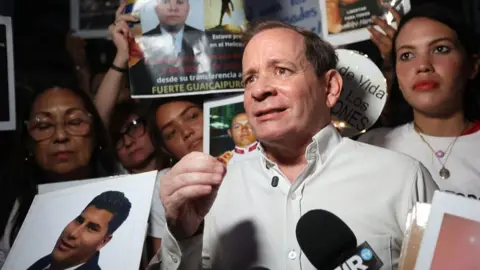
Activists have documented that families of the executed are often left uninformed about the circumstances of their loved ones' trials and executions. The kingdom's human rights stance remains under scrutiny, as its list of executed individuals increasingly includes minors and individuals charged with expressing dissent.
Despite easing some social restrictions under Crown Prince Mohammed bin Salman, who has been in power since 2017, the human rights landscape continues to be overshadowed by high execution rates, with only China and Iran recording more executions.
In the absence of accountability, the international community is left grappling with how to engage with a nation that seems indifferent to growing condemnation of its human rights practices.