In brief
In the Democratic Republic of Congo, an outbreak of the Bundibugyo strain of Ebola has pushed authorities to prohibit mass gatherings in Kinshasa and neighbouring provinces to protect an 18 million‑strong city. 1,274 cases and 360 deaths have been recorded, with the virus confined to three eastern provinces but threatening to spread inland. The ban coincides with a scheduled protest march, prompting opposition leaders to accuse the move of political suppression. Healthcare officials are now preparing for potential antiviral trials, while conflict‑riven regions further complicate containment.
Facing a surge in the Bundibugyo Ebola outbreak, Kinshasa’s 18 million residents are suddenly no longer allowed to attend mass gatherings. Interior Minister Jacquemain Shabani announced the ban on Saturday, after the number of confirmed cases jumped 47 and reached 1,274 across eastern provinces.
The virus, which spreads through bodily fluids, has so far been identified in three provinces in the east—Ituri, North Kivu and South Kivu—requiring stringent quarantine and travel restrictions. No cases have yet been confirmed in Kinshasa, yet officials fear that the capital could become a new epicentre.
Political Fallout
The ban coincides with a protest march scheduled for 8 July, organised by a coalition that opposes a new law which critics say would allow President Felix Tshisekedi to stay in office beyond his two‑term limit. Opposition spokesmen have characterised the directive as a political manoeuvre rather than a public‑health measure, sparking calls for the march to proceed unchanged.
Public‑Health Response
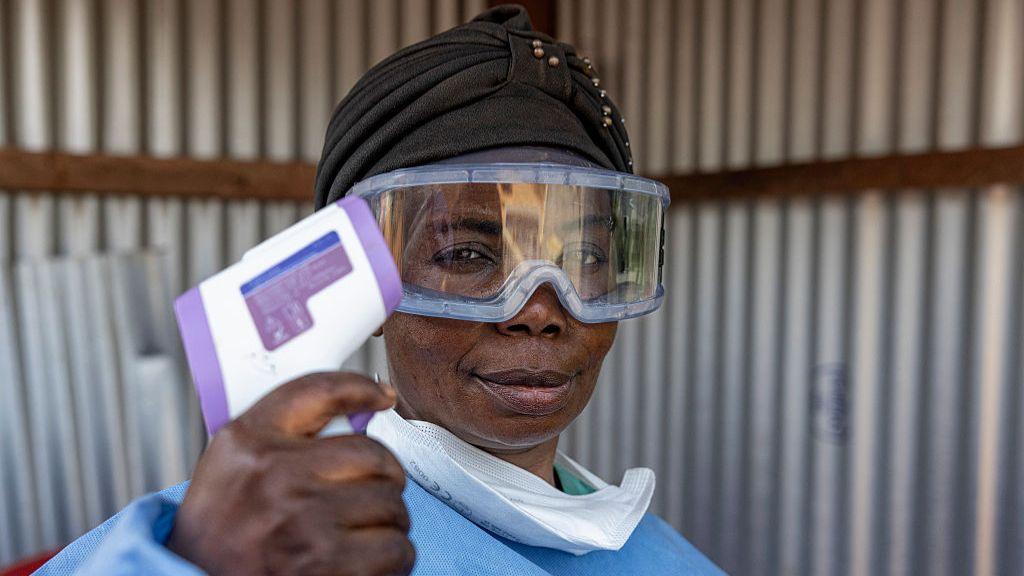
A 21‑day quarantine has been imposed on travelers moving from affected provinces to other parts of the country, and mass gatherings have been banned in these regions for weeks. The World Health Organization (WHO) warns that conflict in eastern Congo, where the M23 rebel group holds sway, further hampers containment efforts.
While there is currently no vaccine for the Bundibugyo strain, the Africa Centres for Disease Control and Prevention (CDC) has indicated that trials of new antiviral drugs could commence early this week, potentially expanding treatment options.
The outbreak also concerns neighbouring Uganda, where 20 people have been infected and two have died, underscoring the cross‑border risk of spread.
Looking Ahead
With the fight against Ebola rising at the same time as political tensions, the DRC government faces a dual challenge: to protect public health without stifling civic engagement. International aid and research partnerships must accelerate to provide both medical treatments and social support to communities in crisis zones.