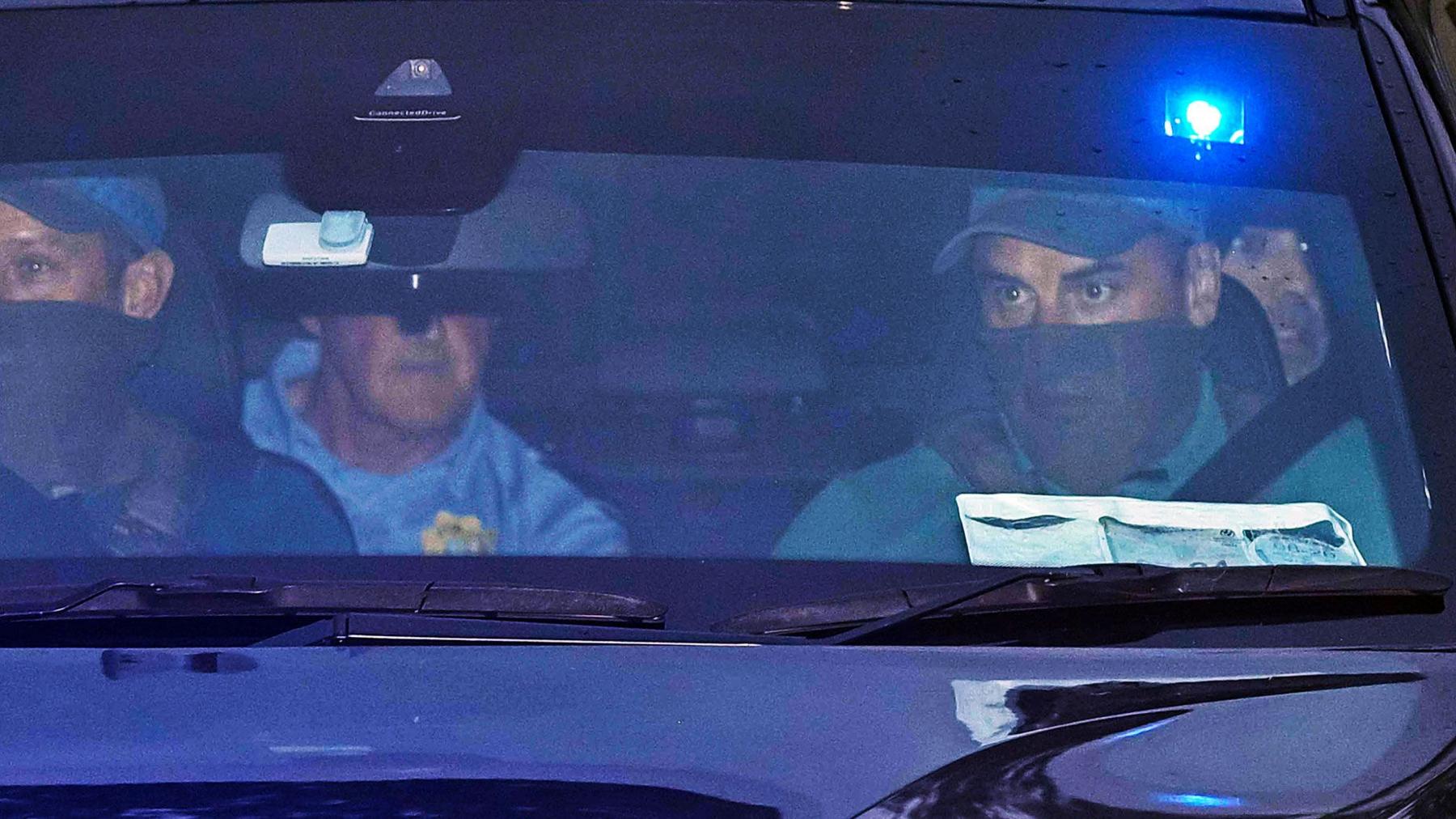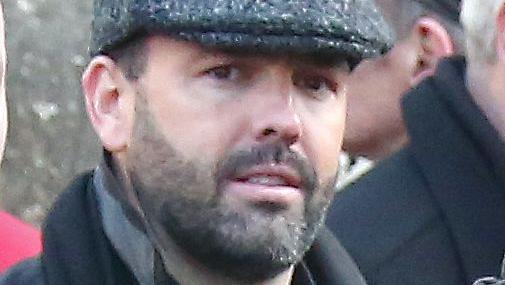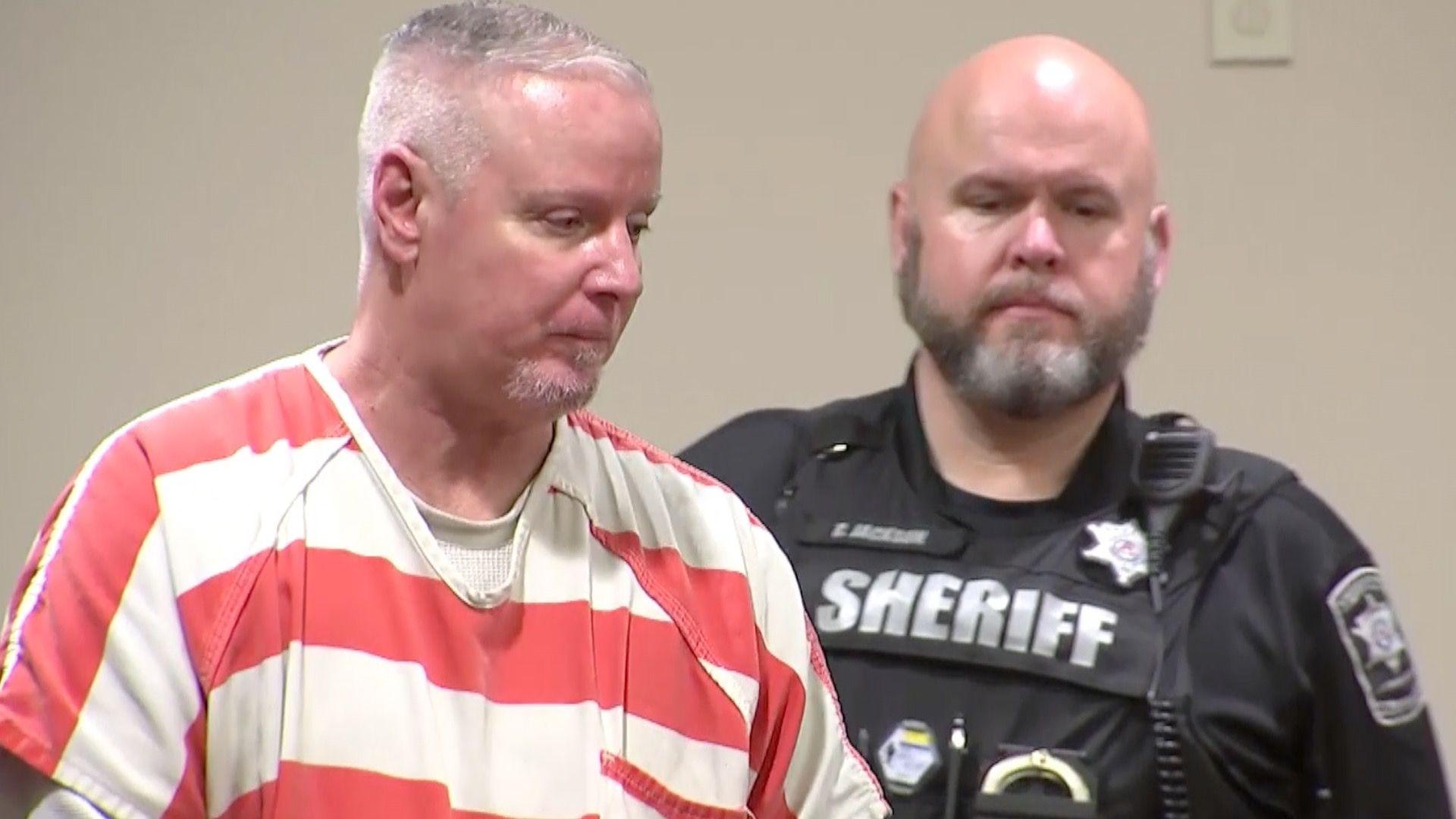
A 52‑year‑old man, Riad Bouchaker, was convicted of attempting to murder three children and assaulting four others in Dublin’s Parnell Square on 23 November 2023. The court found him guilty on all eight charges following a six‑hour jury deliberation. Bouchaker was sentenced to 12 January 2024, with remand pending until the official hearing on 12 October.
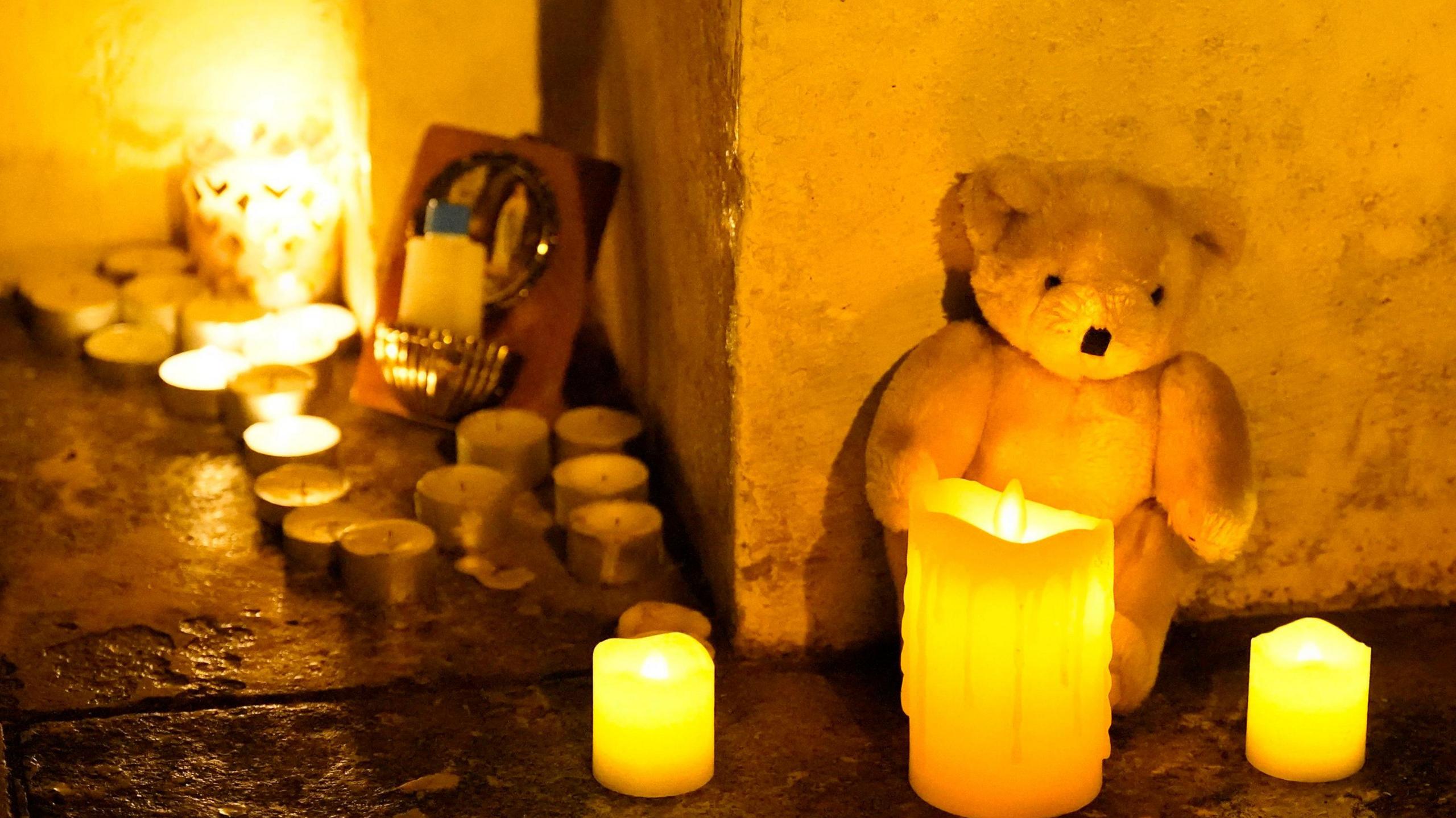
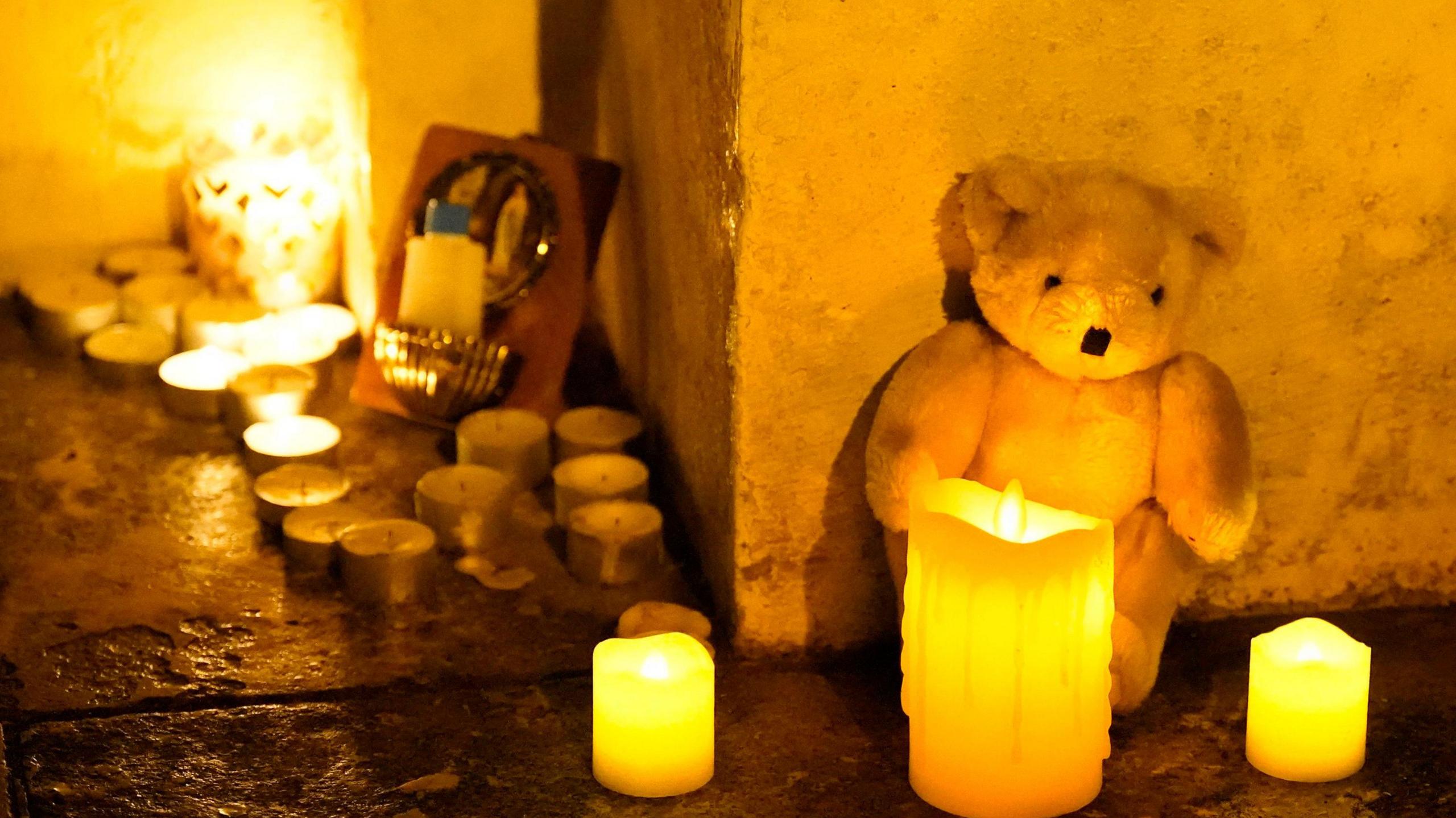
The attack left a five‑year‑old girl with a lifetime brain injury after a stabbing in the heart, underscoring the dire personal cost of the violence. The case also involved assault against a crèche worker and two other children and a teenager – a stark reminder of how even seemingly isolated incidents can ripple across a community.
Riots erupted immediately, a phenomenon never before seen in contemporary Irish law enforcement history. Police deployed the largest riot reserve ever, attempting to curb destruction that included 11 police vehicles, 13 shops, and several public transport units, including trams and buses. These events highlighted how quickly social unrest can transform a city’s surface and how emergency response team training must evolve to anticipate such escalation.
When crime threatens child safety, resilience moves from an abstract aspiration to an emergency public‑health priority. The incident invites a discussion about how urban planners and city officials can embed evidence‑based safety markers – such as light‑controlled public spaces, modular barriers, and real‑time monitoring – that reduce the risk of future attacks while fostering community cohesion and environmental sustainability.
Sustainable futures depend on strong, fracture‑tested local networks. In the wake of this unrest, stakeholders have called for joint community action that blends durable child‑protection infrastructure with climate‑aware emergency planning. With the right design futures, a city can proof‑read itself against violence and meet the dual goals of safeguarding people and the planet.