In brief
In a high‑profile operation, Daniel Kinahan—a figure tied to a global organized crime cartel—was extradited from Dubai to Ireland and detained in the Special Criminal Court. The 49‑year‑old was remanded without legal representation, and the case underlines growing international cooperation to tackle transnational crime. Authorities emphasized security measures including a bulletproof van and a police convoy to the courtroom. The extradition also marked a landmark collaboration between the UAE and Irish justice systems, with both governments confirming the legality and efficiency of the process. Kinahan’s arrest follows years of attempts to extradite him and accusations of drug trafficking and gangland murders linked to his cartel.
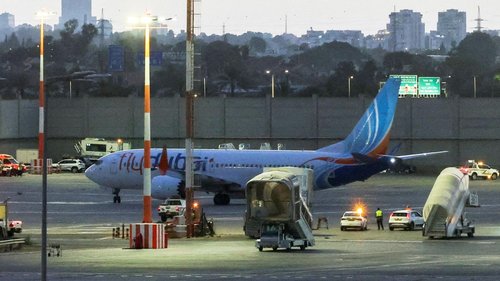
Daniel Kinahan was extradited from Dubai and brought to Dublin's Special Criminal Court, where he spent his first night in Irish custody.
The 49‑year‑old, a target of the United States, United Kingdom, and Irish authorities for alleged drug trafficking and gangland killings, was remanded without legal representation until 5 October.
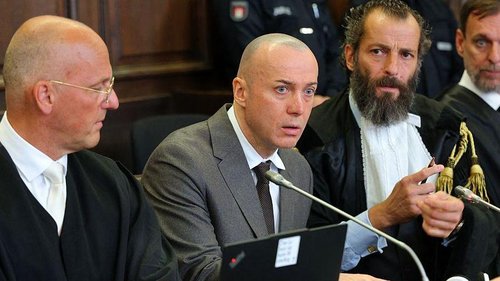
The court processed him in a 13‑minute non‑jury hearing. Judge Patrick McGrath and colleagues informed Kinahan that bail was unlikely; he responded that he “knows I won’t get bail, thank you for your time” and insisted he had no time to secure counsel.
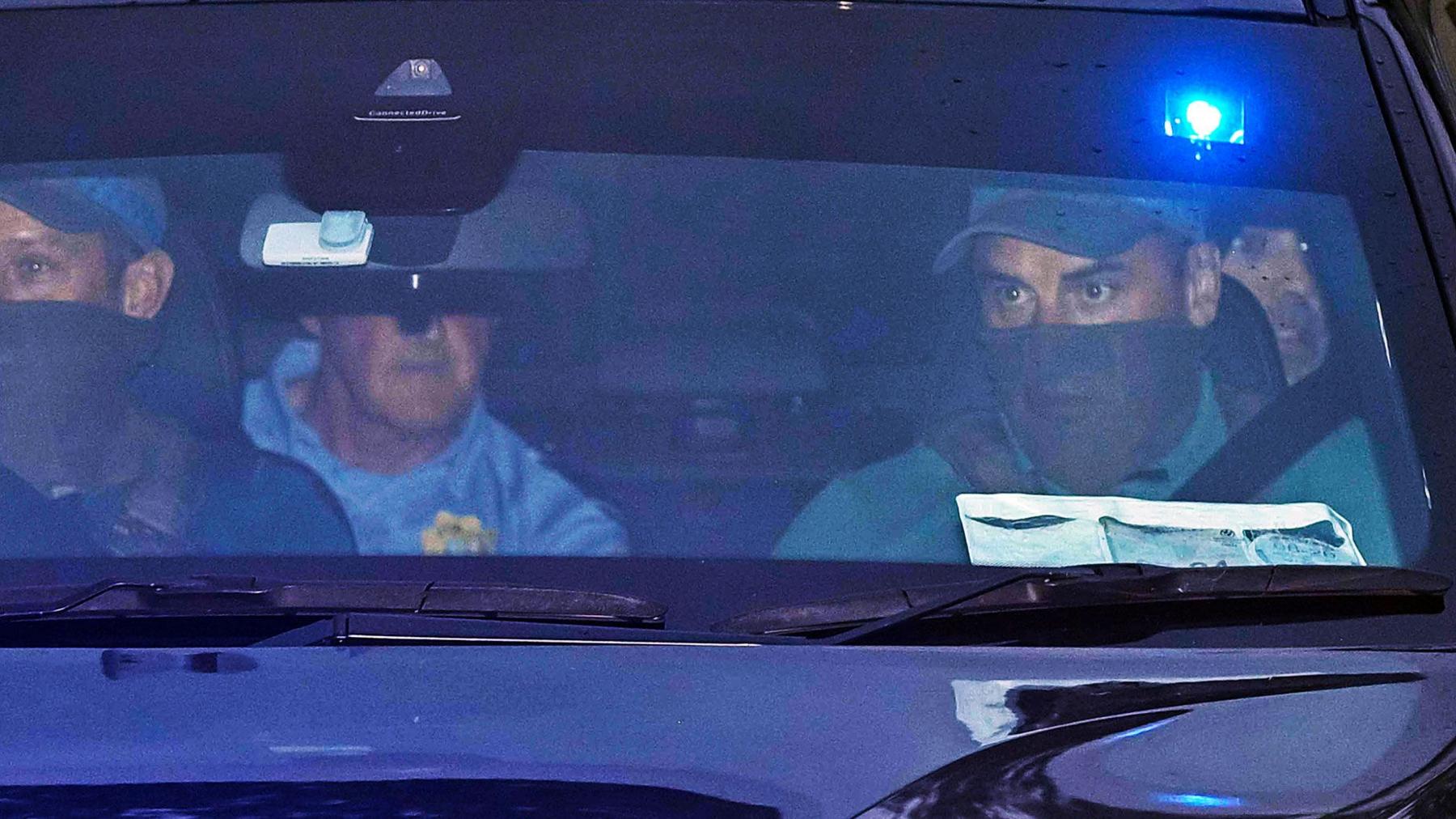
On arrival at Baldonnell Casement Aerodrome, Kinahan was taken on a bulletproof, bombproof van—an asset built specifically for high‑risk prisoner transport—into the Criminal Courts of Justice under heavy police guard.
A police convoy of SUVs and armored vehicles followed the suspect, underscoring the joint security effort between Irish Gardaí and Dubai police, with Garda Commissioner Justin Kelly praising the trans‑national partnership.
The extradition reinforces an existing treaty between the UAE and Ireland. Justice Ministers Jim O’Callaghan (Ireland) and Abdullah bin Sultan bin Awad Al Nuaimi (UAE) released statements lauding the outcome as a “landmark of judicial cooperation” and applauding the UAE’s judicial efficiency.
Kinahan’s case follows the earlier extradition of Sean McGovern, a senior Kinahan cartel member, who received a 24‑year sentence for directing a criminal organisation.
Although the cartel is accused of making upwards of €1 billion through drug trafficking, gun smuggling, and gangland violence, the defendants claim no criminal history and argue the accusations lack evidence.
The high‑profile arrest underscores the potency of cross‑border law enforcement and remains a focal point in the broader campaign against transnational organized crime worldwide.