In brief
A massive blaze broke out early Saturday at a building in Delhi’s Malviya Nagar, taking at least 21 lives and leaving many injured. The building, which served as a bed‑and‑breakfast for patients travelling from South Asia for treatment, suffered a rapid fire spread that trapped occupants on higher floors. Firefighters contained the blaze early, but the tragedy exposes gaps in building safety enforcement and the need for sustainable, fire‑resistant construction practices. The incident prompts a wider conversation about climate‑resilient urban design and strict regulation to protect vulnerable communities.
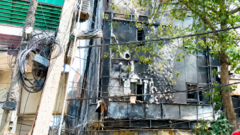
On Saturday, a multi‑storey building in the Malviya Nagar neighbourhood of Delhi erupted into flames, killing at least 21 and injuring more than 40. The building operated as a bed‑and‑breakfast for patients and relatives of those receiving treatment at a nearby private hospital, meaning many victims were foreign nationals from Bangladesh, Pakistan and other South Asian countries.
Firefighters brought the blaze under control quickly, but the rapid spread trapped residents on upper floors. Witnesses reported that people had to jump from the second and third floors, and rescue teams had to use mattresses to create a makeshift exit. Although the fire was contained, the tragedy highlights the frequent gap between written safety regulations and real‑world implementation in India.
“The building’s fire spread very fast and left many people trapped,” said Wasim Raj, a local witness interviewed by the ANI news agency. “People started to jump out of the building from the second and third floors.” The incident underscores the persistent issue of buildings operating beyond their approved use and flashing bright limits in fire safety inspections.
Delhi authorities are investigating whether the structure had the necessary permits to function as a bed‑and‑breakfast. Minister Ashish Sood said violations that enable such use would face criminal action. Prime Minister Narendra Modi announced compensation payments for the families of victims and for injured persons.
Beyond immediate loss of life, the fire exposes how building safety laws often lag behind growing urban demands. Delhi’s many historic and rapidly‑developing structures suffer from inadequate fire‑resistant materials, faulty electrical systems and lax inspections. As climate change drives higher temperatures and more frequent extreme weather events, the risk of flammable structures in densely populated areas rises.
To build climate‑resilient cities, experts call for stricter enforcement of building codes combined with sustainable engineering solutions. Fire‑resistant glass, green roofs that reduce heat load, and improved ventilation can lower fire intensity. In addition, integrating urban green spaces can mitigate the urban heat island effect, reduce local temperature spikes that fuel combustion, and provide natural firebreaks.
While Delhi’s emergency services responded swiftly, the tragedy reminds us that infrastructure resilience must be part of the environmental strategy. Ensuring that civilian housing, especially for vulnerable travelers and patients, adheres to modern safety standards is critical to protecting communities against sudden disasters and preparing for a warming world.
In the aftermath, the Incident begs a larger question: What steps can cities take to unify public health, safety, and climate resilience? As Delhi mourns its lost lives, the government and community actors must prioritise sustainable building practices and enforce strict fire safety protocols to safeguard all residents—domestic and foreign alike.
For more on climate‑resilient futures and sustainable urban planning, follow echosphere.news.