The Democratic Republic of Congo has agreed to accept migrants deported from the US who are not themselves Congolese under a deal effective from this month, officials said. The Ministry of Communication stated that a temporary reception system had been established, while facilities to accommodate arrivals had been selected in the capital, Kinshasa. Logistical and technical support will be provided by the US, with the Congolese government bearing no financial cost for the scheme.
The number of deportees to be accepted has not been specified. The US has already sent deportees to multiple other African nations as part of its crackdown on immigration. Despite concerns that these migrants could face persecution if returned to their home countries, Congolese officials have assured that such transfers are not planned.
This decision aligns with DR Congo's commitment to human dignity and international solidarity, focusing on the rights of migrants. Officials clarified that the program is not a permanent relocation mechanism or an outsourcing of migration policies.
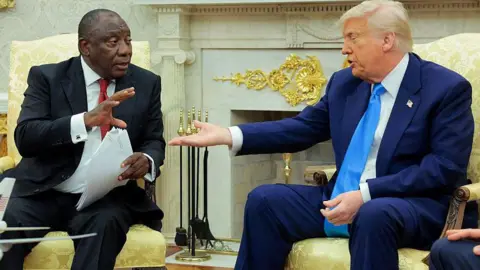
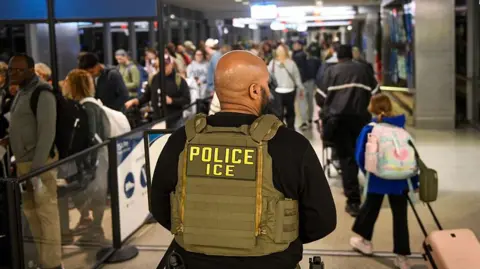
A US State Department representative emphasized the country's unwavering commitment to ending illegal immigration and enhancing border security, in the context of President Donald Trump's administration's hardline immigration initiatives. Human rights advocates have criticized these practices, questioning their legality as DR Congo joins other nations like Eswatini, Ghana, and South Sudan in receiving deportees from the US.
As part of its diplomatic efforts, the US has facilitated negotiations for a minerals deal with DR Congo in exchange for access to its rich reserves of essential metals, including cobalt and lithium. The Trump administration's efforts have also encompassed initiating a peace deal between DR Congo and neighboring Rwanda, despite ongoing challenges to its implementation.
The number of deportees to be accepted has not been specified. The US has already sent deportees to multiple other African nations as part of its crackdown on immigration. Despite concerns that these migrants could face persecution if returned to their home countries, Congolese officials have assured that such transfers are not planned.
This decision aligns with DR Congo's commitment to human dignity and international solidarity, focusing on the rights of migrants. Officials clarified that the program is not a permanent relocation mechanism or an outsourcing of migration policies.
A US State Department representative emphasized the country's unwavering commitment to ending illegal immigration and enhancing border security, in the context of President Donald Trump's administration's hardline immigration initiatives. Human rights advocates have criticized these practices, questioning their legality as DR Congo joins other nations like Eswatini, Ghana, and South Sudan in receiving deportees from the US.
As part of its diplomatic efforts, the US has facilitated negotiations for a minerals deal with DR Congo in exchange for access to its rich reserves of essential metals, including cobalt and lithium. The Trump administration's efforts have also encompassed initiating a peace deal between DR Congo and neighboring Rwanda, despite ongoing challenges to its implementation.