A 40‑year‑old Kenyan businessman became the first confirmed case of Ebola in Nairobi after spending several weeks in the Democratic Republic of Congo’s most affected regions. He travelled from the province of Bas‑Uélé to Ngasing‑ani, then onward to Uganda and finally to Kenya, where he was diagnosed with the Bundibugyo species of the virus and died within days of arrival.
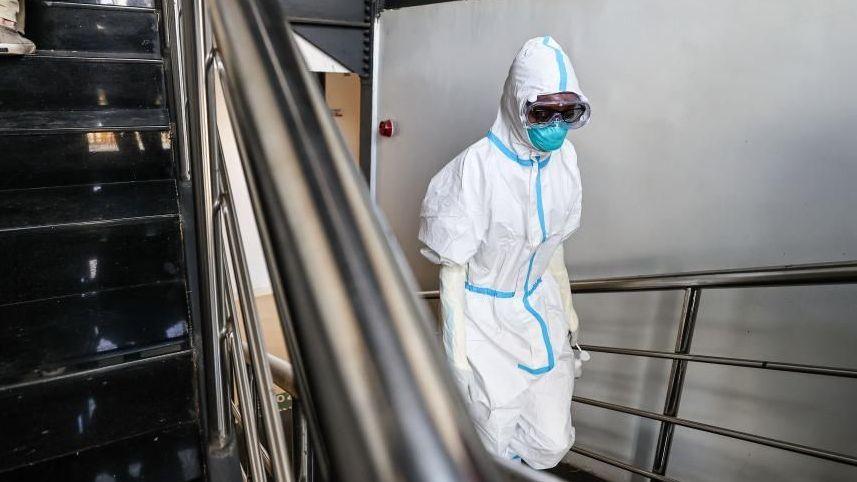
The patient had crossed multiple borders and passed through two airport health checkpoints in Uganda and Kenya, yet he remained undetected. His temperature appeared normal, and he was not flagged for symptoms, illustrating the limitations of relying solely on temperature checks and self‑reporting.
Investigations by the African CDC traced the man’s movements over nearly six weeks, uncovering several missed opportunities to diagnose him at hospitals in the DRC and at regional health facilities in Uganda. The agency identified 66 people in Nairobi who may have been in contact with him, a number expected to rise as contact‑tracing extends into his itinerary in the DRC.
"When you reveal any Ebola‑related symptoms early, you’re not only preventing the virus from spreading to other countries, but you’re also protecting yourself first," urged Dr Wessam Mankoula, African CDC’s emergency director. He warned that stigma could discourage people from seeking care, potentially allowing the virus to spread undetected.
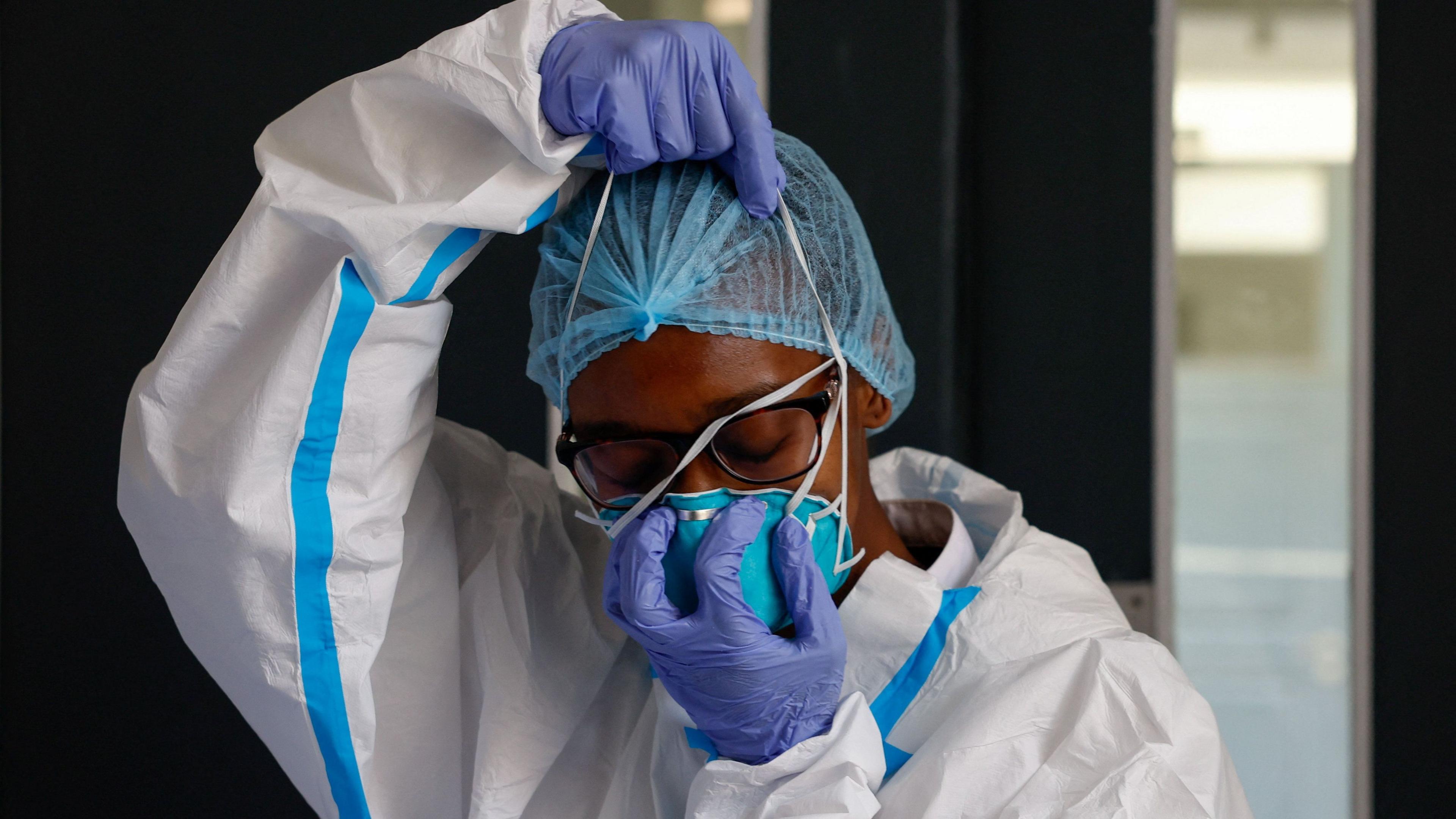
The case underscores how climate change and increased human mobility can amplify the risk of emerging infectious diseases. As warming temperatures create new breeding grounds for vectors, cross‑border travel poses a growing threat to public health. Strengthening surveillance, training healthcare workers in rapid diagnostic techniques, and improving coordination among national biosecurity agencies are essential steps for safeguarding regional health security.