SAN DIEGO (Echosphere.news) — In a significant legal decision, a U.S. District Judge ruled that three families, impacted by the Trump administration's policy of separating parents from their children at the border, must be allowed to return to the United States. The order, issued Thursday, highlights that their deportations in recent months were based on 'lies, deception, and coercion.'
Judge Dana Sabraw stated that the deported families, originally separated under a policy that affected around 6,000 children in 2018, should have been granted permission to remain in the U.S. until 2027 under humanitarian parole agreements.
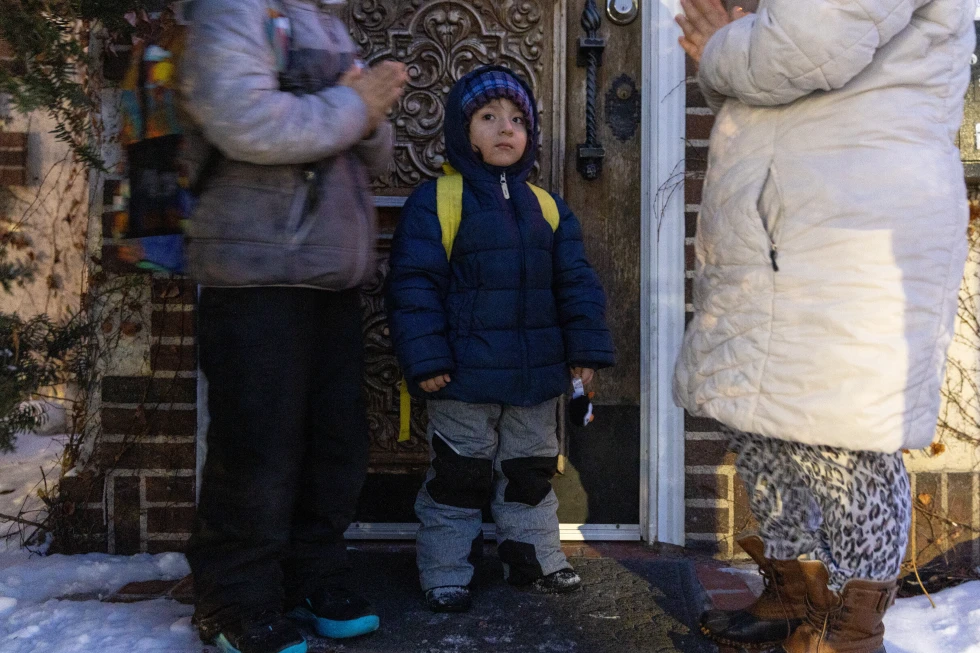
As part of the ruling, the administration must also cover the families' travel expenses for their return. One such family includes a mother and her three children, one being a 6-year-old U.S. citizen, who were deported to Honduras after being compelled to check in with ICE multiple times over two months, a process that jeopardized her job.
Sabraw dismissed claims from the government that the family left voluntarily and supported the mother’s testimony stating she had refused to sign forms agreeing to leave. The families affected were provided with little recourse during their removal procedures, with officers even allegedly detaining them at a motel for three days before deportation.
This ruling reinforces the sanctions following the controversial 'zero-tolerance' immigration policy implemented during Trump's presidency, which prompted widespread criticism and protests. Judge Sabraw also pointed out that the illegal removals of these families had denied them vital access to resources and benefits.
Lee Gelernt, an attorney representing the affected families from the ACLU, welcomed the ruling as a pivotal acknowledgment of the administration's earlier wrongdoings. He articulated that the court's decision reaffirms a commitment toward humane immigration procedures.
The ruling follows a legal settlement that prohibits such family separation policies until 2031, reflecting the ongoing legal and social ramifications of past actions affecting immigrant families.