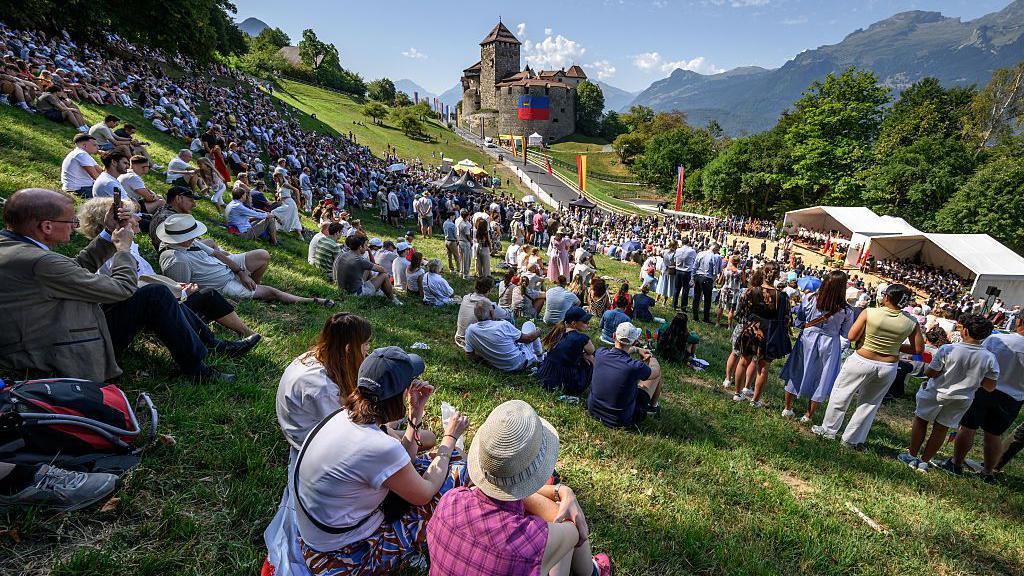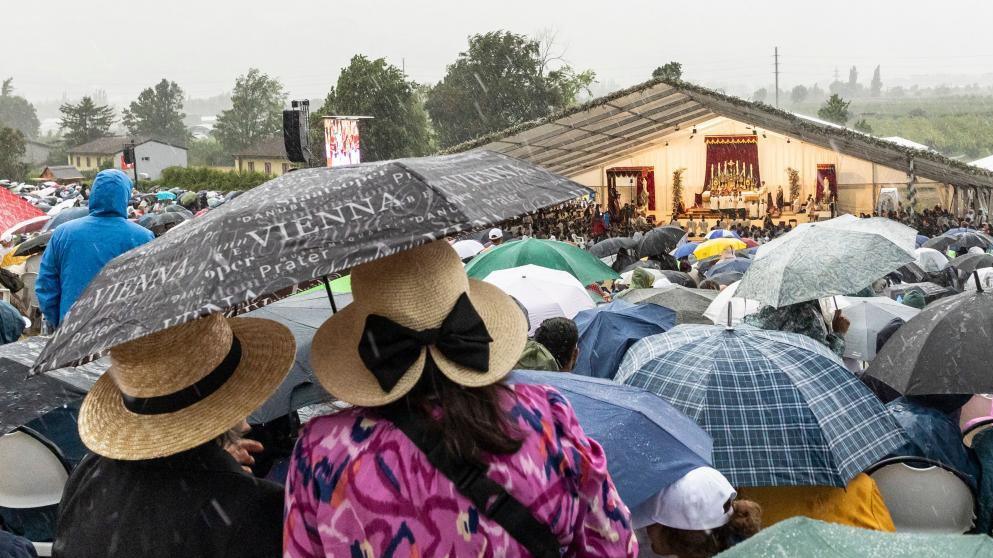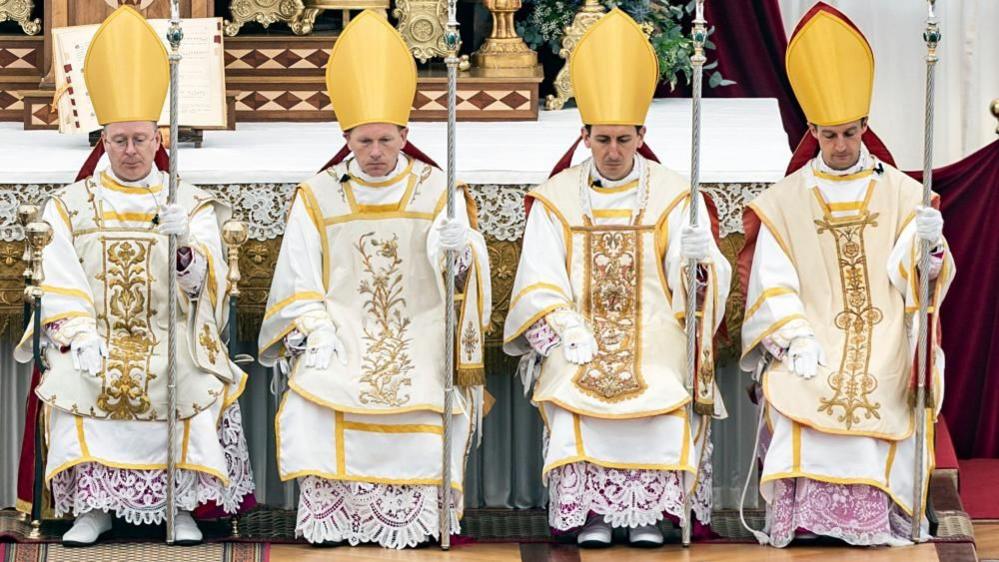
In the quiet alpine village of Écône, Switzerland, thousands of people gathered on July 1, 2026, to witness a controversial religious rite that has sparked a profound schism within the Catholic Church.
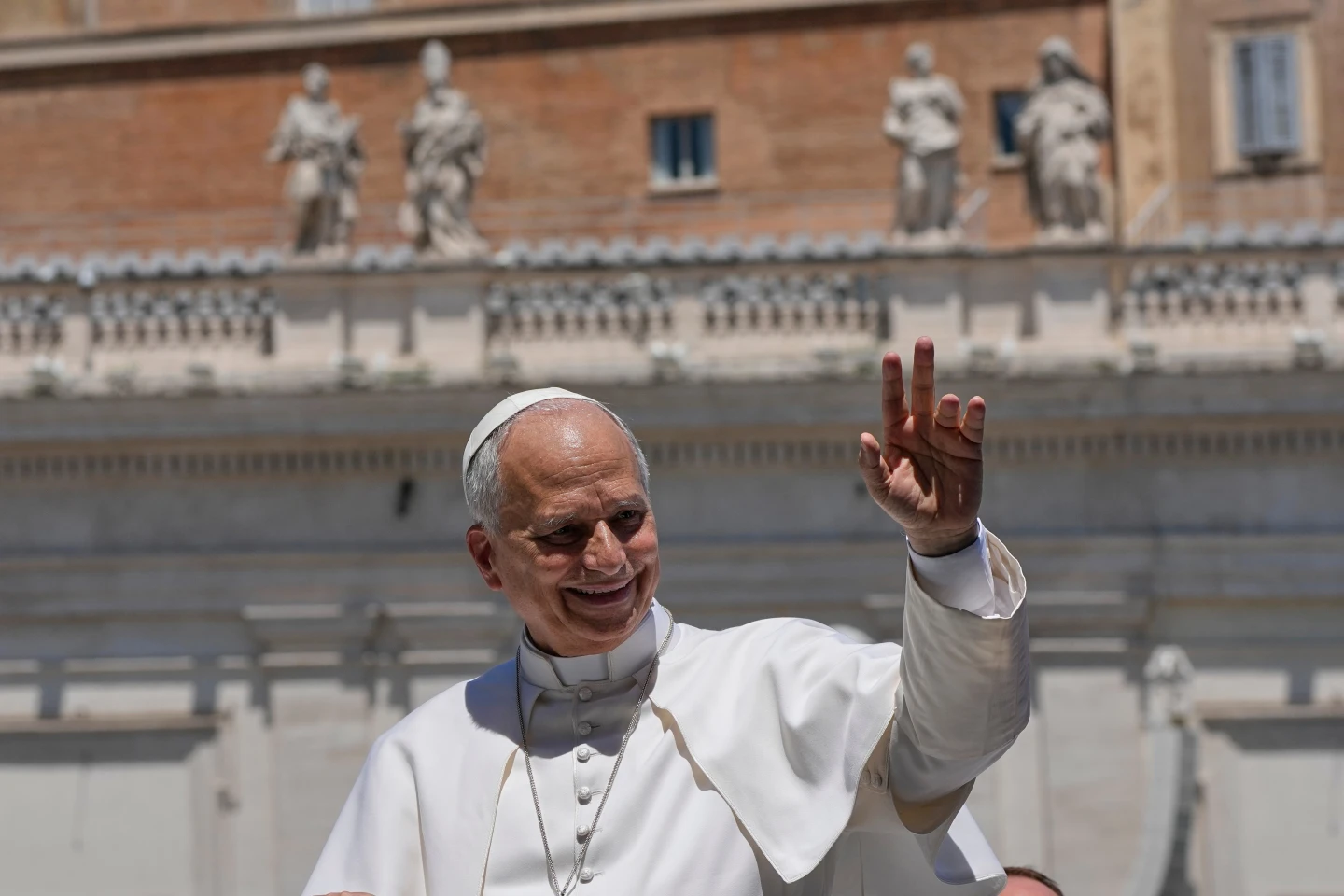
Four priests—one from the United States, one from Switzerland, and two from France—were ordained as bishops by the Society of Saint Pius X (SSPX), a group that has long criticized Vatican reforms post‑Second Vatican Council. The ordination proceeded despite a last‑minute appeal by Pope Leo XIV, who described the act as a “schismatic act” that could tear the “seamless garment of Christ.”
While the ceremony was steeped in tradition—Latin vows, candlelit procession, and the solemn reading of the bishop’s oath—its implications reach far beyond ecclesiastical ceremony.
The SSPX’s resistance on issues such as vernacular liturgy, ecumenical dialogue, and even the Church’s stance on modern social questions mirrors a broader pattern of institutional reluctance to adapt. This pattern is notably relevant to the Church’s engagement with climate change. With a global membership of over 1.4 billion, the Catholic Church’s legacy of influence means its policy positions carry weight. Yet many conservative wings within the Church have been slow to adopt explicit commitments to renewable energy, carbon‑neutral missions, or robust eco‑spiritual teachings.
The newly ordained bishops, who face immediate excommunication threats, highlight a theological standoff that also raises questions about stewardship. As the Church debates the best path forward on environmental policy, aligning tradition with urgent climate action becomes a delicate balance.
For the 15,000 attendees—many of whom carried commemorative caps and Swiss wine bottles—the ceremony represented unity in faith, but also a symbolic stand against the Vatican’s calls for openness and collaboration. The event was streamed live on YouTube in seven languages, expanding its reach beyond the Alpine village to global audiences.
In a broader context, the schism reflects a continuing tension in religious institutions: how to preserve identity while embracing critical global challenges.
The Vatican’s response—potentially severe sanctions against the SSPX—underscores the fragility of ecclesiastical unity when confronting modern reforms, whether liturgical or ecological. The Church’s future engagement with climate action may well depend on its ability to reconcile tradition with the urgent imperative to protect the planet—a task increasingly relevant for the millions who look to faith leaders for guidance.