In brief
A 21‑year‑old student in New York and California already prefers cold Starbucks drinks, reflecting a broader Gen‑Z trend. Younger customers opt for highly customized cold beverages rather than hot coffee, valuing control, visual appeal and functionality. This shift is boosting sales for chains like Starbucks and Dunkin’, while also spotlighting sustainability concerns over single‑use cups and sugar‑rich blends. The rapid rise of “refreshers” and protein‑boosted drinks signals a change in consumer behaviour that could reshape the coffee industry’s environmental footprint.
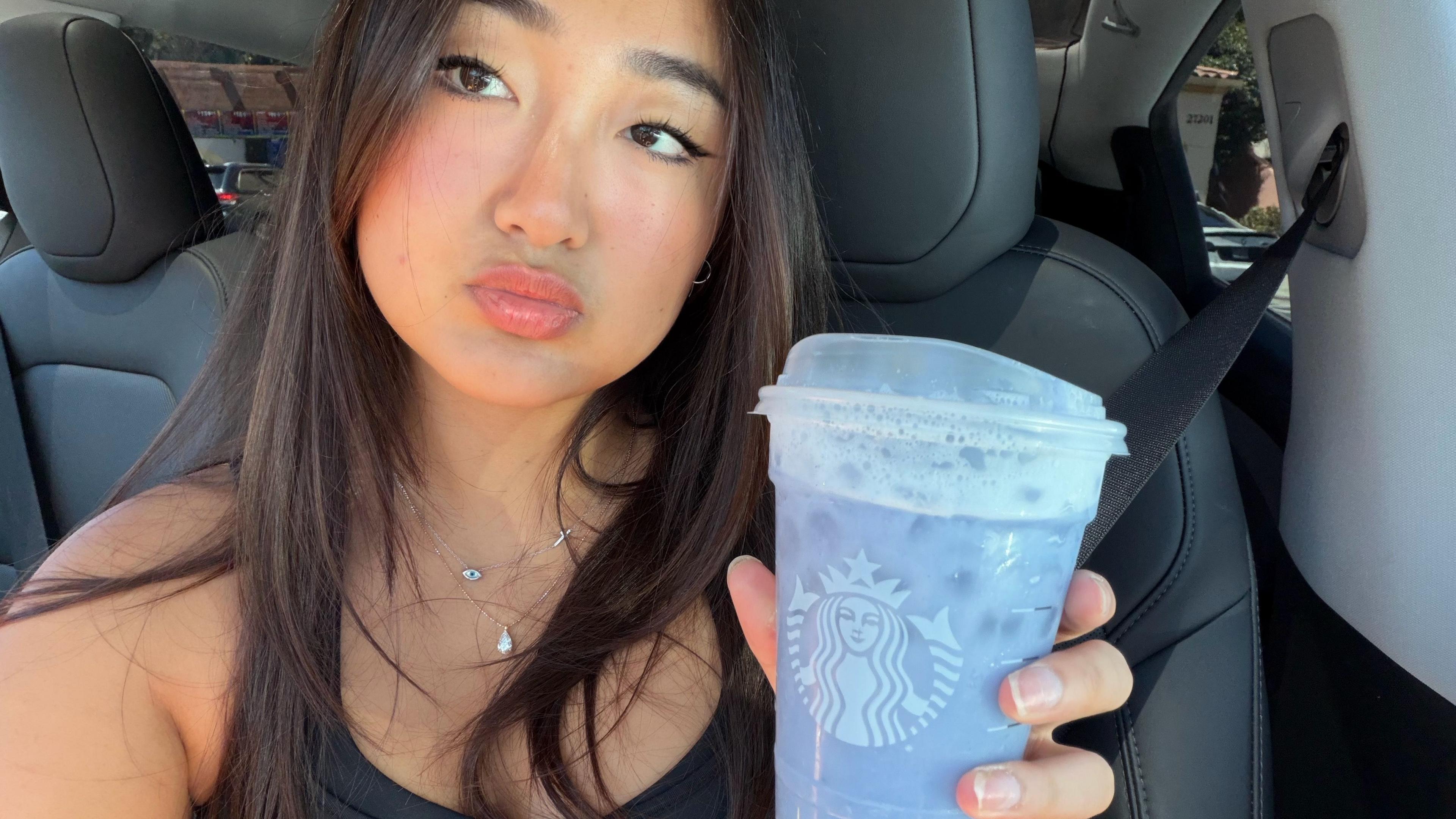
Elaine Ling, a 21‑year‑old student who splits her time between New York and California, says she only visits Starbucks for cold drinks, describing her favourite “refresher” as a healthier alternative to the chain’s sweet hot cups.
She argues that cold drinks—iced fruit‑based beverages, protein shakes and “dirty sodas” combining foam, syrups and juices—offer a level of personalisation that hot coffee cannot match. In Britain, Gen Z respondents report that cooking or traveling, they choose cold options when available, valuing control over flavour, size, and visual delight.
Why Customisation Drives Price Perceptions
Euromonitor’s Tristan Höver explains that Gen‑Z consumers view customisation as a source of “control” and are willing to pay a premium for drinks that feel special, even within their price‑sensitivity. A larger, multi‑layered drink can justify a higher price by appealing to visual appeal and perceived value.
Social Media Amplifies the Trend
TikTok’s viral Unicorn Frappuccino, a flash‑in‑the‑pan colour‑swirled blend, boosted foot traffic at Starbucks by 44 % during its three‑day run, proving the power of short‑form content to spark demand for customised cold drinks.
Fast‑Food Chains Join the Cold‑Drink Coup
McDonald’s, Chick‑fil‑A and Taco Bell have introduced fruit‑based “refreshers”, while Dunkin’ expands with protein‑infused options and celebrity‑led drops such as Kylie Jenner’s limited‑time edition. These moves illustrate how the cold‑drink trend permeated the broader quick‑service sector.
Sustainability Implications
Cold, highly‑customised beverages often rely on disposable cups, sugary syrups and faux‑milk, potentially increasing plastic use and carbon footprints. Brands must balance consumer demand for novelty with recyclable packaging and plant‑based ingredients to minimise environmental impact.
With cold drinks now representing over 70 % of Starbucks’ US sales, the industry is reassessing its turnaround strategy to align profitability with sustainability, ushering a new era where the drink itself reflects both personal identity and ecological responsibility.