In brief
On Aug. 6, Porter Airlines had to abort a Victoria–Toronto flight when a young passenger wouldn't fasten her seat belt, prompting a return to the terminal and rebooking for the following day. The incident reignited debate over families’ responsibilities on flights and the airline’s duty to enforce safety. Aviation experts explained that unrestrained children can become dangerous projectiles, while past incidents show airlines’ tough stance on safety. The broader implications touch on environmental sustainability: unscheduled flights and rebookings add carbon emissions, underscoring the need for safer, more efficient travel.
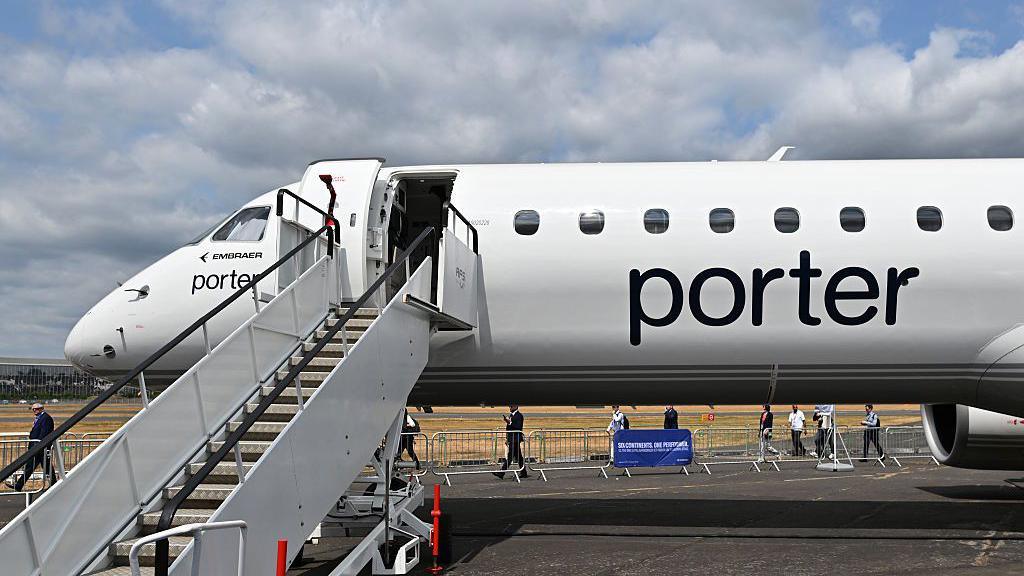
A Porter Airlines flight to Toronto was forced to abort its departure on 6 August when a small passenger would not fasten her seat belt, leading to a return to the terminal and a rebooking for the next day. The incident has sparked discussion about the balance between parental authority, airline protocols, and the safety of all on board.
“Attempts by the accompanying parent and crew to address this were unsuccessful,” Porter Airlines said. “The aircraft could not take off in this unsafe condition, so the crew elected to return to the terminal and have the two passengers disembark.” The airline’s decision reflects its commitment to safety over schedule.
Child aviation safety expert Lia Tuso told BBC that the crew’s choice was “protecting the safety of the passengers on the flight, as well as the child.” She added that unrestrained children can become projectiles during turbulence or sudden changes, similar to loose luggage.
The wider conversation now touches on airline sustainability. Cancelling a flight, rebooking passengers, and potentially adding extra flight legs increase the carbon footprint and fuel consumption, meaning safety decisions can have environmental consequences. This is a reminder that flights are high‑emission transport modes, and each unnecessary delay compounds carbon output.
Social media reactions have been mixed. Critics argue that parents who are “too gentle” should be more firm, while others point out that children may fear flying, leading to resistance rather than defiance. One passenger noted the child “wasn't unruly but seemed scared,” slipping under the seat when asked to buckle up.
Past incidents illustrate the airline industry’s varied responses. In 2018, a father and daughter were ejecting from a Southwest Airlines flight after a quiet period, and the family spoke out on the Today Show. In 2012, a family’s removal led to the CBC publishing a story about the incident. These cases show that the line between safety enforcement and customer service can blur.
JetBlue already announced that it sometimes removes “customers not complying with crew instructions for prolonged periods” when safety is threatened. The captain’s choice to remove them prioritises all passengers’ security.
As airlines face increasing scrutiny on both safety and environmental impact, a holistic approach is paramount: enforce seat‑belt compliance promptly and consider efficient, environmentally friendly alternatives to cancellation whenever possible.