In brief
In a dramatic operation, Chester Zoo’s conservation team hauled 21 near‑extinct Madeiran snails back to Bugio Island after a week of climbing cliffs and battling rough seas. The snails, no larger than 8 mm, play a critical role in soil enrichment and vegetation control on the Madeira archipelago. The rescue marks a major success for a breeding program that produced 300 snails, now monitored as they re‑settle in the wild. This effort highlights the importance of cooperative conservation and the preservation of tiny, often overlooked, keystone species.
Chester Zoo conservationists have bred 300 near‑extinct tiny snails and re‑introduced them into the wild.
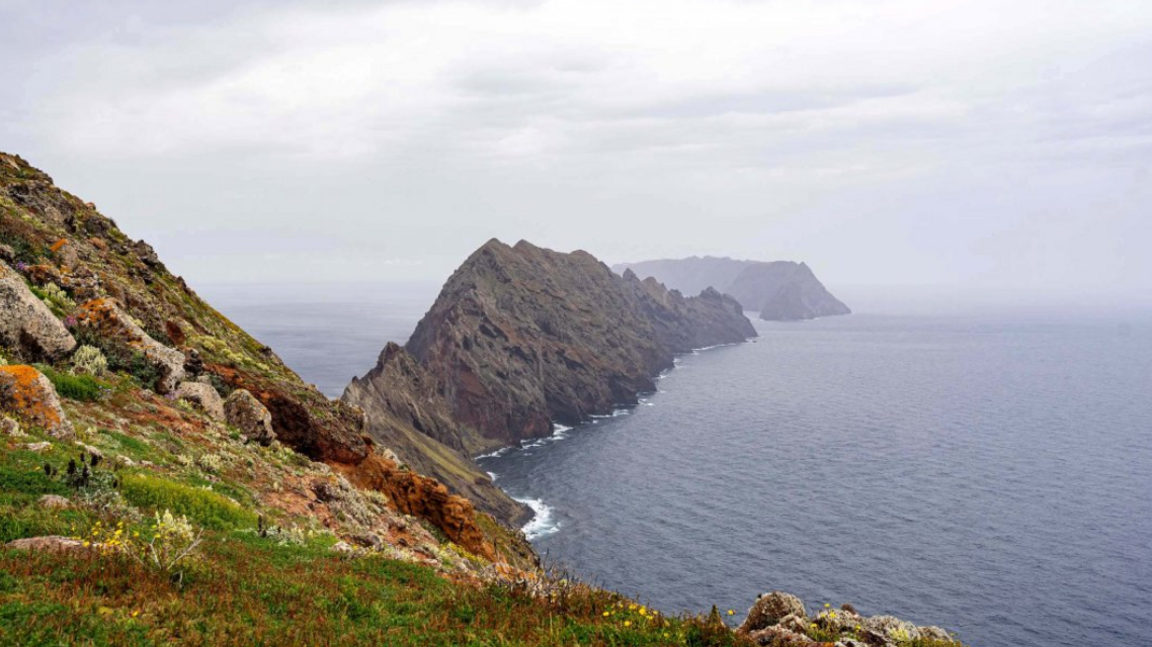
Only 21 Madeiran lands snails were found clinging to a rock on Portugal's Bugio Island, believed to be their last population.
The team, recruited by Madeira officials, braved treacherous conditions and climbed cliffs to return the snails to their natural habitat, which is part of the Madeira archipelago in the Atlantic Ocean.
Expert Tamas Papp, assistant team manager for invertebrates, described the operation as a one‑shot effort: “If we missed this chance, that would be it – they would be gone.”
The rescue involved scrambling from the water up a cliff face in the dark, finding safe cracks in the rocks, and securing the snails with harnesses and helmets before releasing them.
Further challenges included a short window due to rough weather and the absence of a jetty, requiring the team to jump straight into the sea with gear and then ascend the cliff.
These snails, no larger than 8 mm, are vital for eating vegetation and enriching soil; they will be monitored as they settle back into the wild.