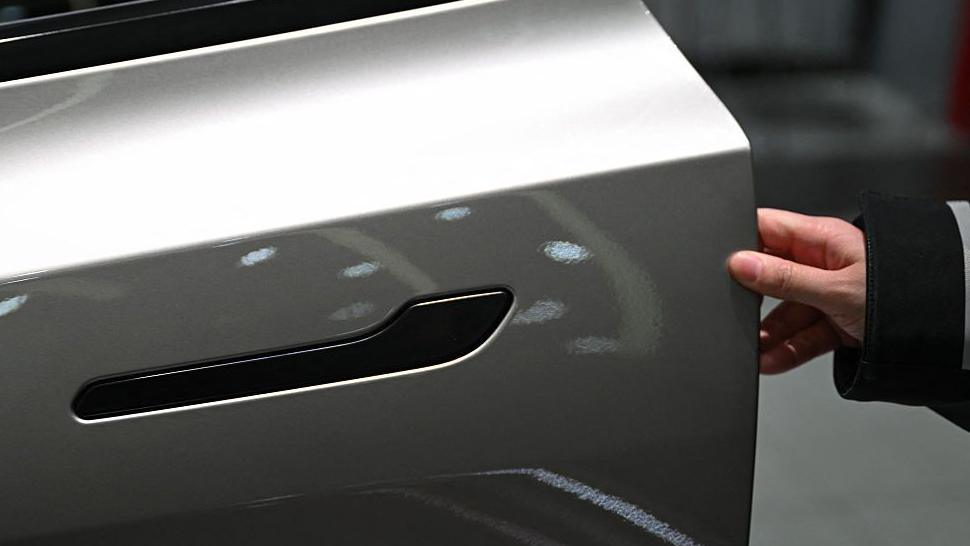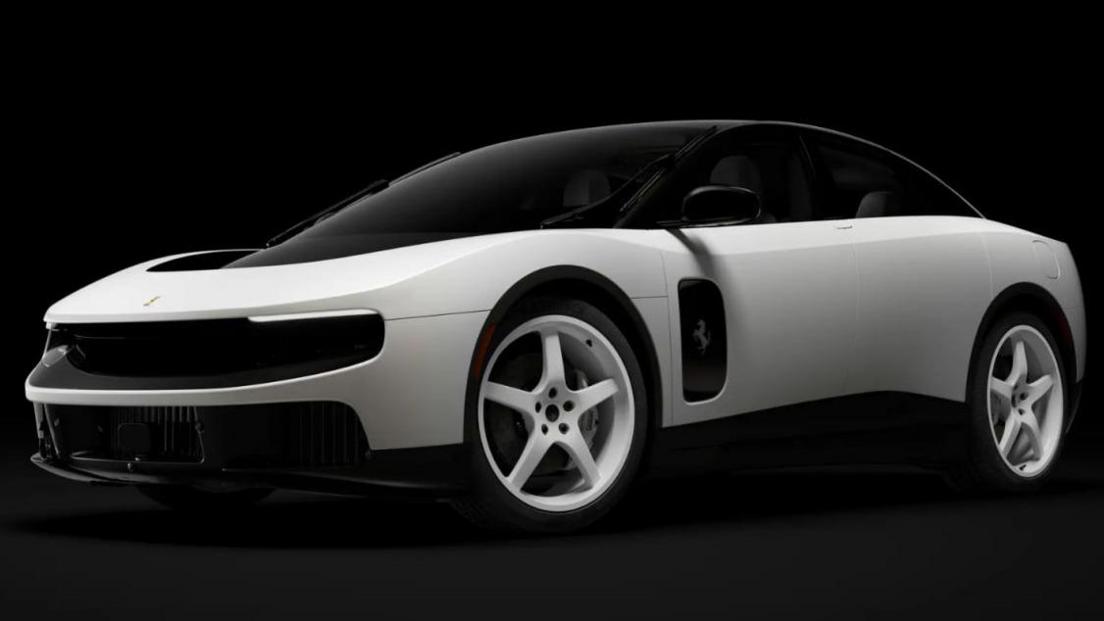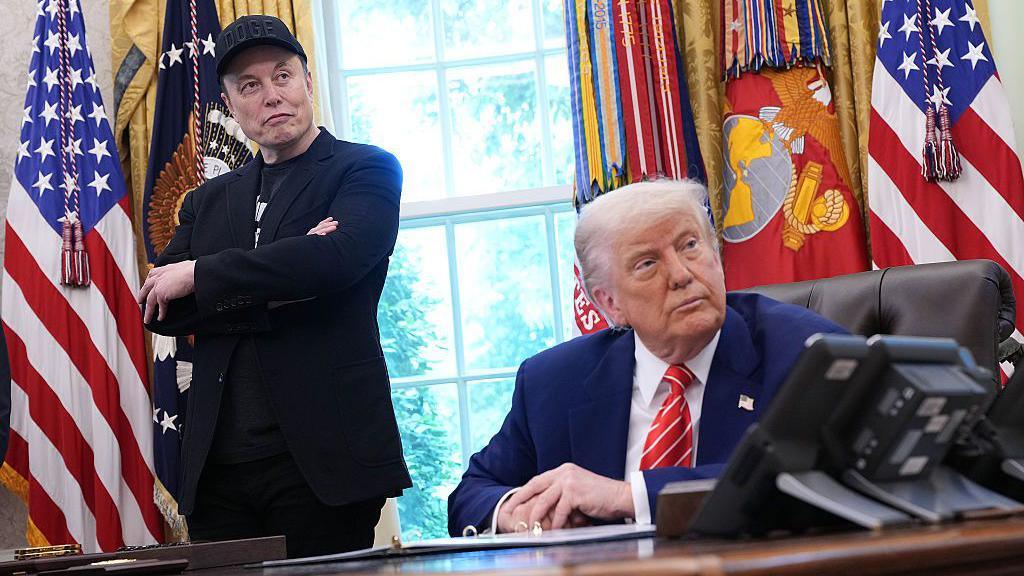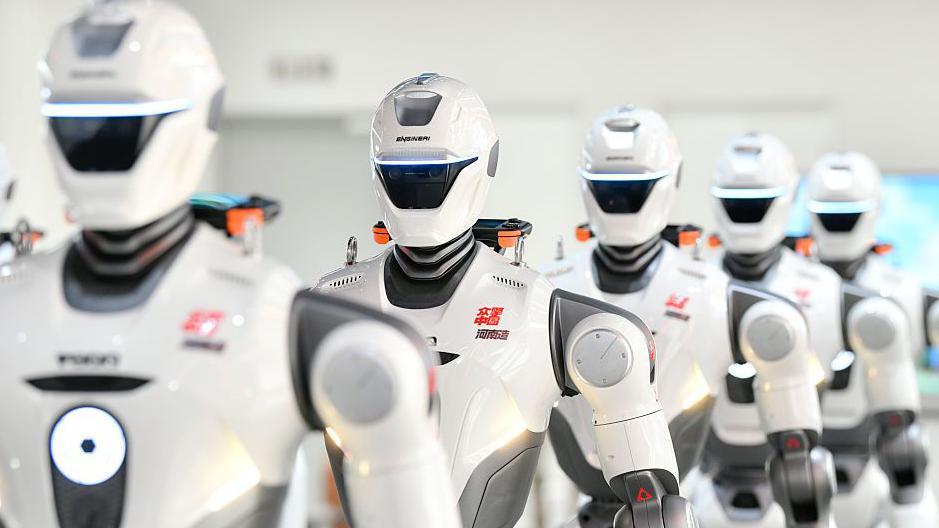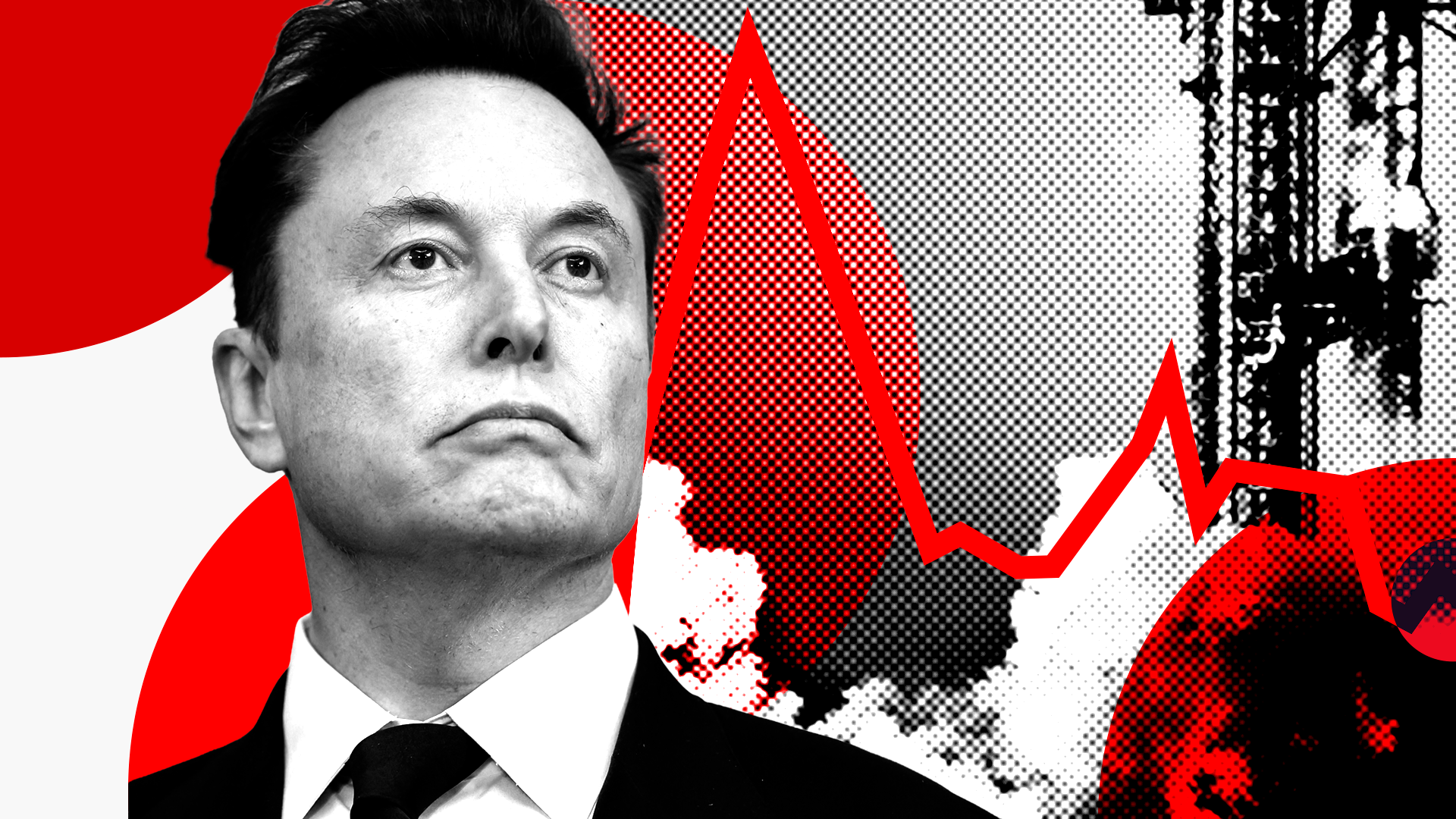
Elon Musk is in the spotlight once again, but this time not for a new technological breakthrough. The billionaire tech mogul faces allegations from Alex Proyas, director of the 2004 science fiction film I, Robot, which stars Will Smith. Proyas claims Musk has copied designs for Tesla's latest ventures in autonomous vehicles and humanoid robots. Musk recently unveiled Tesla's Cybercab and Optimus robots, which apparently caught Proyas' attention for their resemblance to the film's futuristic aesthetic.
In a widely viewed social media post, Proyas addressed Musk, asking for his designs back, while also crediting his "talented design team" that worked on the original film visuals. Patrick Tatopoulos, I, Robot's production designer, also joined the fray by posting comparison images of the film’s designs alongside Tesla's, adding a tongue-in-cheek comment about feeling honored by the alleged imitation.
While some online observers questioned the originality of Proyas' claims, pointing to further sci-fi inspirations in the 1927 film Metropolis, it's not unusual for tech companies to be linked with science fiction in their innovation processes. Musk himself has previously acknowledged titles like The Hitchhiker's Guide to the Galaxy as inspirations for his projects. This latest incident raises interesting questions about the ongoing relationship between speculative fiction and real-world technological advancement.
Notably, this is not the first instance of tech products drawing parallels to sci-fi creations. Similar comparisons have been brought against OpenAI when its new voice for ChatGPT bore similarities to Scarlett Johansson's character in the film Her. As tech giants continue to push boundaries, these accusations highlight the blurred lines between homage and imitation, leaving the public to debate whether art merely imitates life, or vice versa.
In a widely viewed social media post, Proyas addressed Musk, asking for his designs back, while also crediting his "talented design team" that worked on the original film visuals. Patrick Tatopoulos, I, Robot's production designer, also joined the fray by posting comparison images of the film’s designs alongside Tesla's, adding a tongue-in-cheek comment about feeling honored by the alleged imitation.
While some online observers questioned the originality of Proyas' claims, pointing to further sci-fi inspirations in the 1927 film Metropolis, it's not unusual for tech companies to be linked with science fiction in their innovation processes. Musk himself has previously acknowledged titles like The Hitchhiker's Guide to the Galaxy as inspirations for his projects. This latest incident raises interesting questions about the ongoing relationship between speculative fiction and real-world technological advancement.
Notably, this is not the first instance of tech products drawing parallels to sci-fi creations. Similar comparisons have been brought against OpenAI when its new voice for ChatGPT bore similarities to Scarlett Johansson's character in the film Her. As tech giants continue to push boundaries, these accusations highlight the blurred lines between homage and imitation, leaving the public to debate whether art merely imitates life, or vice versa.