In a time supposed to reflect peace, Ukraine and Russia have accused each other of committing hundreds of violations of a ceasefire established for Orthodox Easter celebrations.
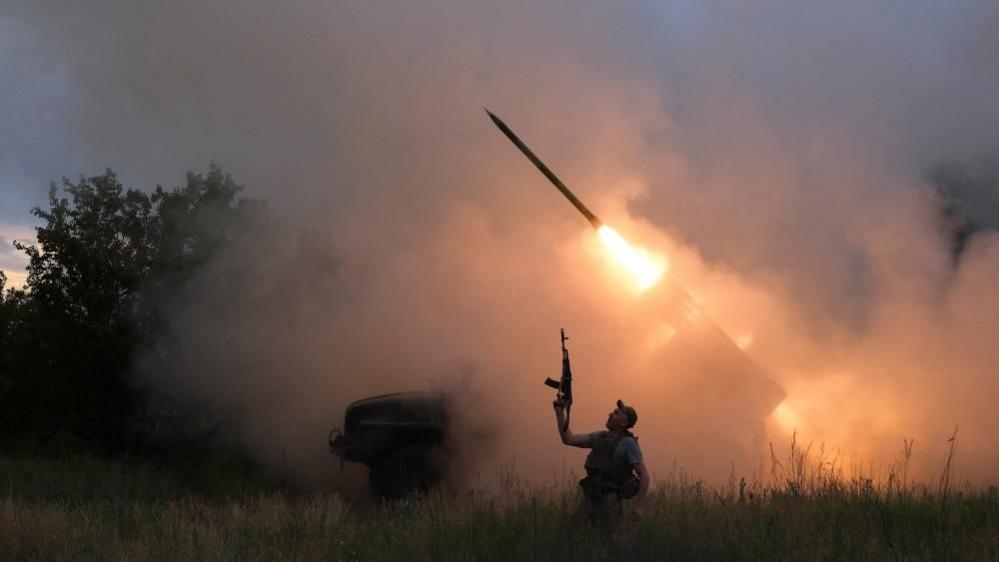
The Ukrainian military reported that since the ceasefire commenced at 16:00 local time on Saturday, Russian forces had committed 2,299 infractions, including the shooting of four unarmed soldiers. Conversely, the Russian defense ministry claimed Ukrainian forces violated the ceasefire 1,971 times, which included attempting counter-attacks in the Dnipropetrovsk region.
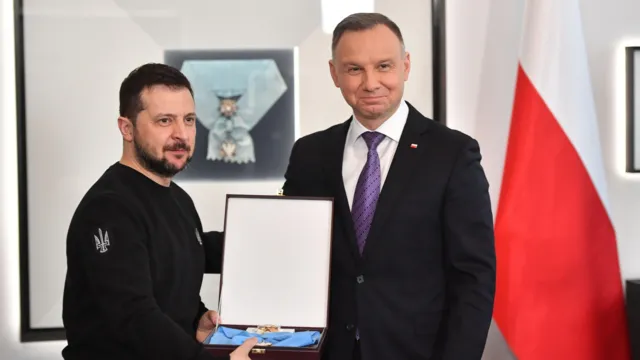
President Volodymyr Zelensky of Ukraine emphasized the importance of maintaining peace during Easter and hinted at the possibility of extending the ceasefire for enhanced peace negotiations—a hope quickly dismissed by Russia.
In a series of violent incidents, Russian forces reportedly executed four Ukrainian soldiers immediately after the ceasefire took effect, a situation characterized by the local prosecutor's office as a significant breach of international humanitarian law. This act has been described by Ukrainian officials as yet another war crime committed by Russia.
Local authorities in Ukrainian regions have noted additional violence, such as a Russian drone striking an ambulance, injuring medics. The Russian ministry further reported on three overnight assaults conducted by Ukraine, signaling the continuation of aggressive military posturing.
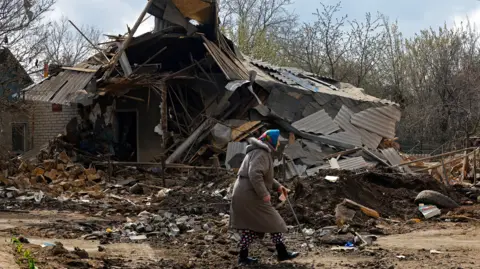
Overall, the Easter ceasefire demonstrates not just the complexities and challenges of achieving peace but also raises skepticism among civilians and soldiers who doubt the efficacy of the truce amid ongoing hostilities. The war that has gripped Ukraine since 2022 continues, complicating the hopeful narratives surrounding ceasefire agreements.
Both nations managed to exchange 175 prisoners of war on Saturday, a small, possibly positive step amidst an otherwise grim military landscape.