In brief
The U.S. president’s new tariff bill targets Canada’s dairy supply‑management policy, which controls production quotas, pricing and import limits. While the system has kept Canadian dairy costs low and farm income stable, critics argue it inflates emissions. Canada’s political leaders face a dilemma: defend the system or risk upsetting a powerful lobby and exposing farmers to a more volatile market. The conflict highlights the challenge of balancing national food security with environmental responsibility.
President Donald Trump’s latest tariff bill slams Canadian dairy into the spotlight, proposing a 50% levy on $20 billion worth of dairy imports. The move is aimed straight at Canada’s “sacrosanct” supply‑management system—an intertwined web of production quotas, provincial pricing boards and levy‑heavy import rules.
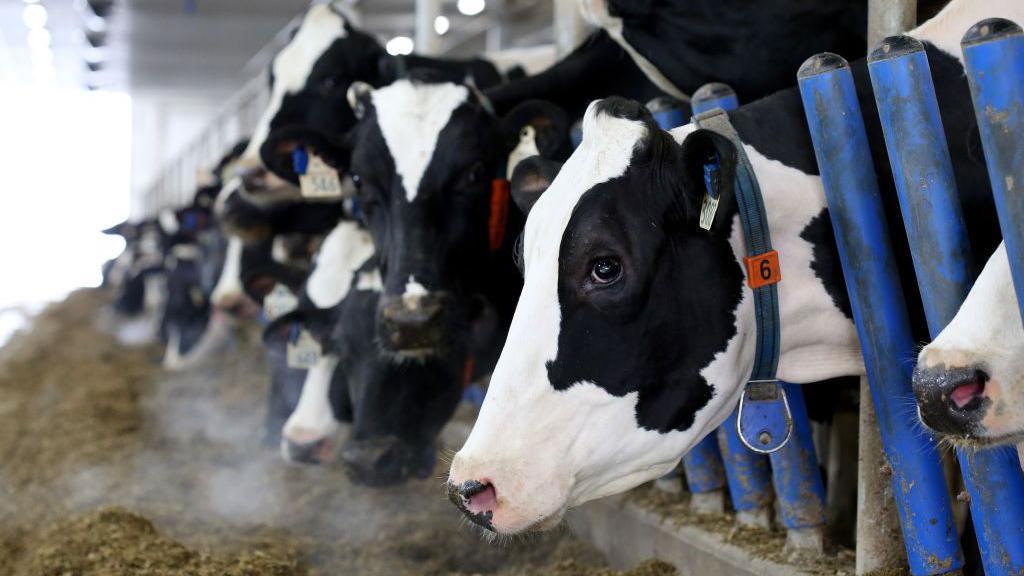
Supply management has protected Canadian farms since the 1970s, guaranteeing farmers predictable incomes and shielding consumers from price spikes. Yet the system also limits how many cows can be milked, caps the volume of foreign dairy that can enter the market and charges 200 %–300 % levies on imports that exceed quotas—making it difficult for U.S. producers to compete.
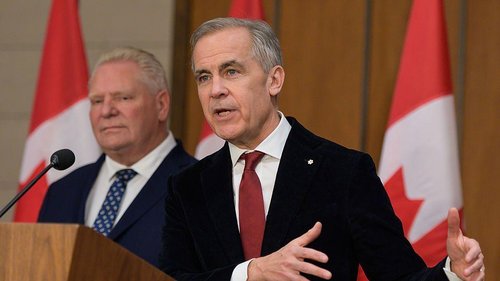
For Canada, the policy is more than economics—it’s a social contract and a cornerstone of rural prosperity. Quebec Premier Christine Fréchette and Trade Minister Dominic LeBlanc have both made it clear that any concession is out of the question. “It keeps our farmers afloat and guarantees high‑quality dairy for Canadians,” said LeBlanc, citing that the system has 40 million consumers on the buying side.
But the cost of the status quo is growing scrutiny. Environmental experts point to dairy’s methane footprint—one of the largest contributors to Canada’s greenhouse gases. A 2018 study linked dairy operations to nearly 8 % of national CO₂ emissions, raising questions about whether a stricter supply system actually curbs excess production or simply keeps prices high.
Some industry voices say the tariffs are “opportunistic” and distort trade. Former U.S. regulator David Clement argued that high import levies unfairly penalise American farmers and, in turn, keep Canadian dairy prices inflated for consumers. “We should dismantle supply management for our own good,” he said, noting that sell‑to‑park affects farmer subsidies and consumer prices.
The political stakes are huge. Supporting the current policy risks fraying a powerful lobby that cuts across party lines, yet breaking away could cost the Liberals seats at the polls and necessitate billions in compensation to farmers. Academics like Professor Ryan Cardwell suggest that the transition would be financially painful, demanding compensation packages and a re‑think of how milk moves through the supply chain.
In similar international contexts, Australia recently phased out its quota system by levying a temporary consumer milk tax, while the EU slowly relaxed quotas over fifteen years before abolishing them in 2015. Canada’s experience shows that a sudden shift could destabilise both the market and the political landscape.
At the heart of the debate is a question of sustainability: does protecting Canadian dairy farmers through strict quotas help limit methane emissions, or does it foster over‑production and inflate costs? With the U.S. tariff looming in August, Canada’s government must decide whether to defend its traditional supply system or craft a new path that balances food security, farmer livelihoods and climate commitments.