In brief
In a pivotal election debate, Canadian political leaders expressed unity against U.S. President Trump's threats but failed to present specific solutions to counter them, leaving many questions unanswered.
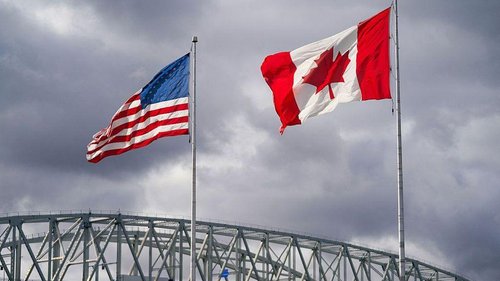
In a high-stakes debate held in Montreal, Canada’s top political leaders faced off against the backdrop of mounting tensions with the United States, particularly concerning President Trump’s imposing tariffs and potential annexation threats. With the April 28 federal election on the horizon, the atmosphere was charged with urgency as candidates outlined their perspectives on the looming U.S. crisis, prominently illustrated by the recent transition of Mark Carney, a former central banker, into the role of Liberal Party leader and Prime Minister.Joining Carney in the debate were Pierre Poilievre of the Conservative Party, Jagmeet Singh of the New Democratic Party, and Yves-François Blanchet of the Bloc Québécois. The discourse focused heavily on Trump’s controversial economic policies, and while all candidates acknowledged the seriousness of the situation, the conversation quickly turned contentious, particularly aimed at Carney, who was seen as a fresh target for criticism due to his political inexperience.Highlighted below are the main takeaways from the two-hour debate:1. Shared Concerns, No Solutions: While all candidates agreed that Trump's actions pose a significant crisis for Canada, there was a glaring absence of detailed plans or strategies to effectively address or counter his policies. Discussions revolved around general themes of negotiation and sovereignty, yet specific, actionable ideas remained elusive.2. Unity in Criticism: Regardless of their political affiliations, candidates pointed fingers at Carney, expressing concerns that his leadership might be inadequate during a pivotal time when Canada needs a strong, unified front against external pressures.3. Polling Shifts: Carney's recent entry into the political landscape has shifted the polls slightly in favor of the Liberals, raising questions about the effectiveness of the Conservatives’ long-held lead. The debate underscored the complexity of intergovernmental relations in an increasingly hostile climate and left many Canadian citizens wondering whether their leaders have truly the capacity to protect their interests in a world of emerging challenges. Furthermore, with the election closeness approaching, voters may have to weigh the candidates' ability to formulate and execute comprehensive strategies against the backdrop of international threats.