In brief
After the latest test flight from Texas, SpaceX's Starship upper stage failed minutes post-launch, while the Super Heavy booster successfully landed back on its pad, raising questions and insights for future missions.
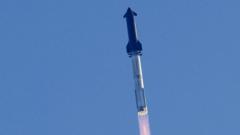
In a dramatic turn of events, SpaceX's latest test flight of the Starship rocket ended in disappointment just minutes after liftoff from their Texas facility. The upper stage of the ambitious spacecraft disintegrated during ascent, a situation Elon Musk's company referred to as a "rapid unscheduled disassembly." However, on a brighter note, their Super Heavy booster performed as intended, returning safely to the launchpad, which elicited cheers from the mission control teams.The incident unfolded shortly after a successful launch of Blue Origin's New Glenn rocket by Amazon founder Jeff Bezos, as both entrepreneurs seek to carve out their legacies in the commercial space industry. Following the launch, SpaceX shared on social media platform X that they intend to analyze the data from the flight to identify the cause of the upper stage's failure. A spokesperson for SpaceX reflected, "With a test like this, success comes from what we learn, and today's flight will help us improve Starship's reliability."Preliminary assessments suggest that a significant oxygen and fuel leak above the engine firewall may have contributed to the mishap, but Musk emphasized that further launches could proceed as planned next month. The livestream of the launch attracted 7.2 million views, showcasing the public fascination with space exploration. The Starship successfully detached from the Super Heavy booster almost four minutes into the flight, although contact was subsequently lost.The Federal Aviation Administration (FAA) confirmed it was aware of the anomaly and had briefly restricted air traffic around the area of debris fall, but normal flight operations have since resumed. This incident adds to a week filled with significant space activity, as SpaceX had recently accomplished the launch of two lunar landers and a micro rover to the Moon from Florida, showcasing the increasingly competitive arena of commercial space endeavors.