A Sudden Inferno Highlights Building Safety Gaps
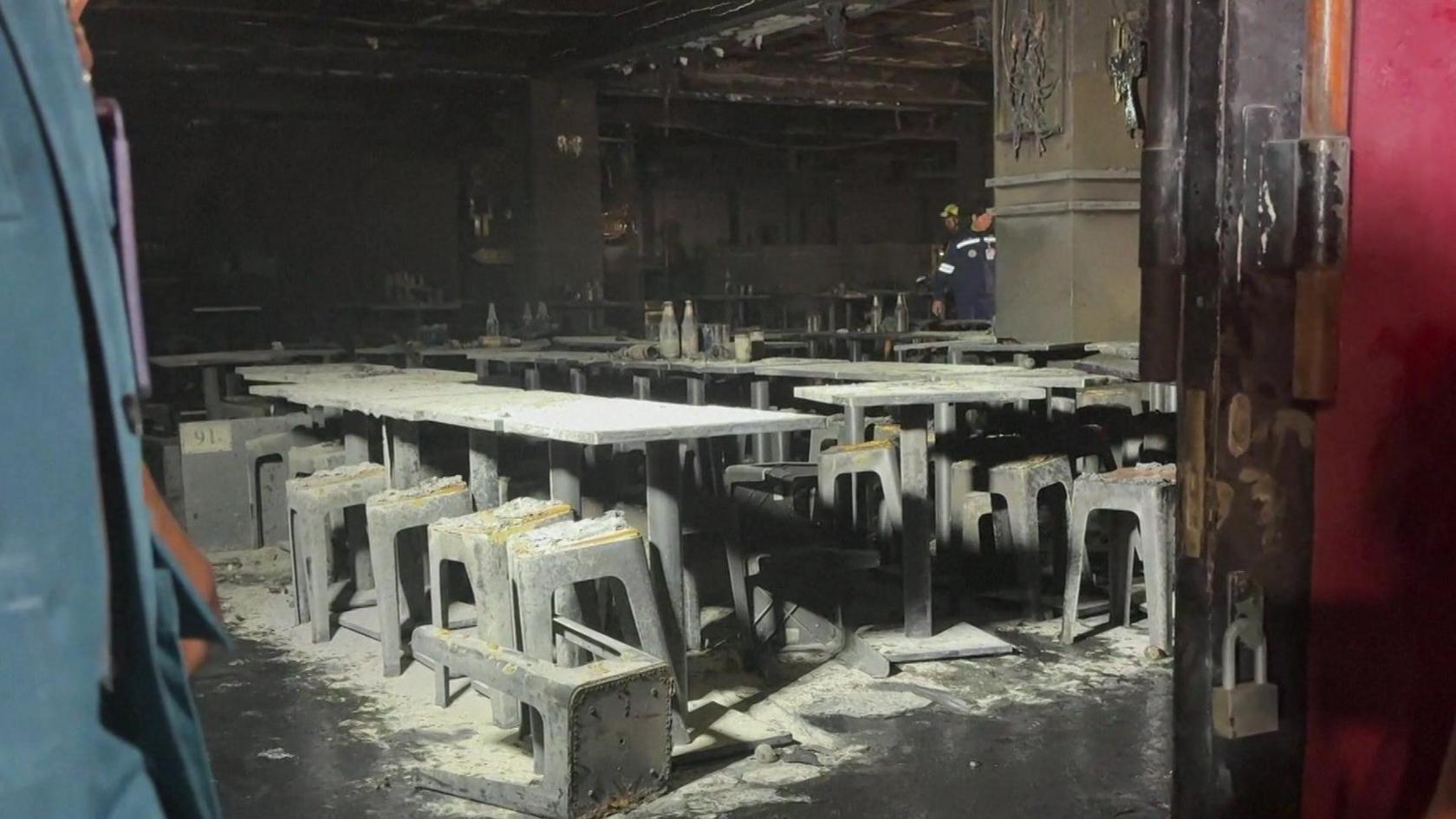
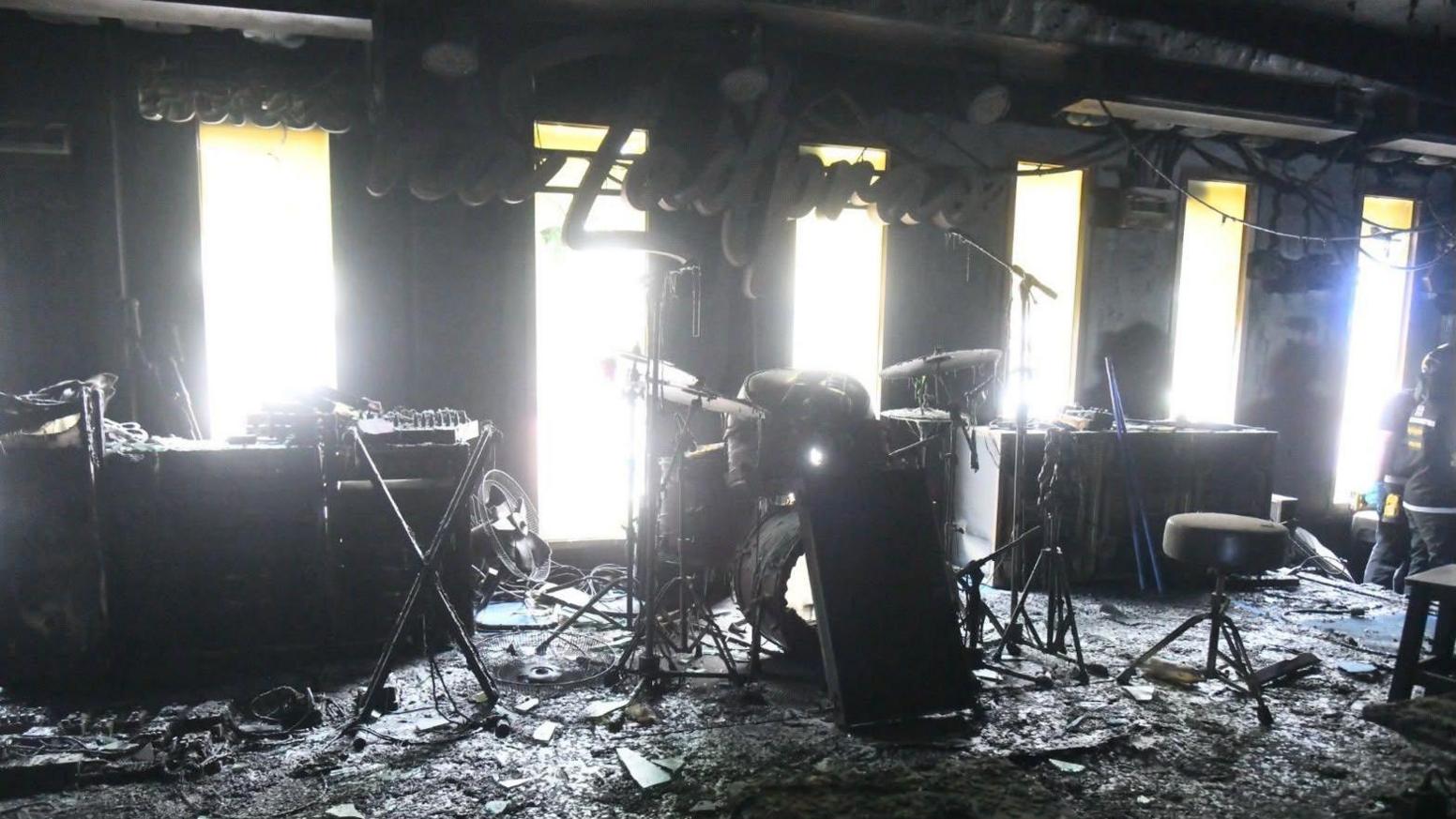
A fire erupted in the back of Bangkok’s Rong Beer Na Lat Phrao late Sunday night, dispatching a rapid wave of flames that destined a tragic loss of 30 lives and more than 70 injuries. Surviving patrons testified that doors were locked and exits unmarked, leaving them trapped amid smoke and heat. Initial investigations point to a short circuit in a cooling unit as the spark that set the stage—decorated with plastic flowers—and a ceiling coated in combustible foam aflame in seconds.
Regulatory Lapses & Modern Material Risks
The bar was classified administratively as a “restaurant with live music”, rather than an official entertainment venue, exempting it from mandates to install fire‑retardant structures. Bangkok authorities are now reviewing these classifications, urging enforcement of stricter material guidelines that would require fire‑resistive finishes, especially in venues where temperatures routinely soar during Bangkok’s humid season.
Health Hazards of Combustion in Hot Cities
Wilbur scholar Worsak Kanok Nukulchai warns that toxic smoke—producing carbon monoxide and hydrogen cyanide—can incapacitate patrons before flames reach them. In hot and humid climates, degradation of organic materials accelerates, raising the risk of rapid combustion and amplifying the lethality of indoor fires. City planners must therefore integrate fire‑resistant specifications into building codes and reinforce public safety education on emergency access.
A Call to Action for Sustainable Urban Design
This tragedy underscores the intersection of environmental stewardship and human safety. Building designers should adopt low‑flammability composites, improve electrical safety, and mandate clear, illuminated exit signs that remain functional in power outages. By embedding these practices in public structures, cities not only protect lives but also reduce the environmental footprint of future fire incidents.
As Bangkok’s Metropolitan Administration reviews regulations, the wider region must pursue similar reforms—leveraging data, citizen science, and climate‑adapted building materials—to safeguard communities against the rising threat of rapid fire spread in urban environments.