In brief
Former Australian Defence Forces lawyer David McBride, who leaked top‑secret documents that exposed alleged war crimes in Afghanistan, was released on parole after serving 27 months in prison. His case sparked a nationwide inquiry into unlawful killings by Australian forces and highlighted the tension between national security and the need for transparency. The parole decision has drawn both support from civil‑rights advocates and criticism from defense officials, as McBride’s future health challenges and the ongoing investigations into former soldiers remain unresolved. The move underscores the broader struggle to balance accountability, legal ethics and public safety in the context of wartime conduct.
Australian Whistleblower Granted Parole After 27 Months
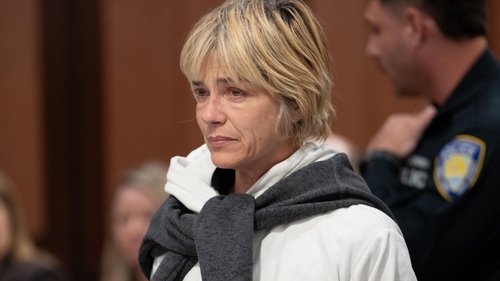
Former ADF lawyer David McBride, who handed classified files to the media in 2023, has been released on parole after serving nearly two and a half years in prison.
McBride’s actions set off a pivotal inquiry into alleged unlawful killings by Australian forces in Afghanistan, leading to a high‑profile assessment that uncovered evidence of 39 civil‑displacement deaths. The findings intensified scrutiny of military protocols and prompted the creation of an independent watchdog to investigate alleged war‑crime violations.
Attorney‑General Michelle Rowland’s office confirmed the parole, noting that McBride will serve the remainder of his sentence in the community under close supervision, a decision that reflects a balancing act between punishment and public safety. McBride, who is undergoing treatment for lung cancer, expressed gratitude to his family and supporters for their unwavering encouragement.
Legal experts who represented him argue that his intent was to expose misconduct that “signalled honourable duty,” whereas prosecutors described the leaks as a “gross breach of trust” that endangered national security. The judge’s sentencing reflected a complex judgement: McBride’s character was deemed good, yet he demonstrated no contrition for leaking sensitive material.
The scattered web of investigations remains active. The Office of the Special Investigator’s review of 53 cases has concluded 39, and two former special‑air‑service soldiers have been charged. High‑ranked veterans like Ben Roberts‑Smith and Oliver Schulz stand accused of murder under the war‑crime statutes as the legal system continues to grapple with the legacy of the Afghanistan conflict.
The parole of McBride, while a step toward redemption in the eyes of many, also signals deeper questions about how a nation reconciles the protection of its defense secrets with the public right to know about potential violations. As Australia continues to navigate post‑war accountability, the case serves as a reminder that transparency and justice remain critical even long after the last deployment.