In brief
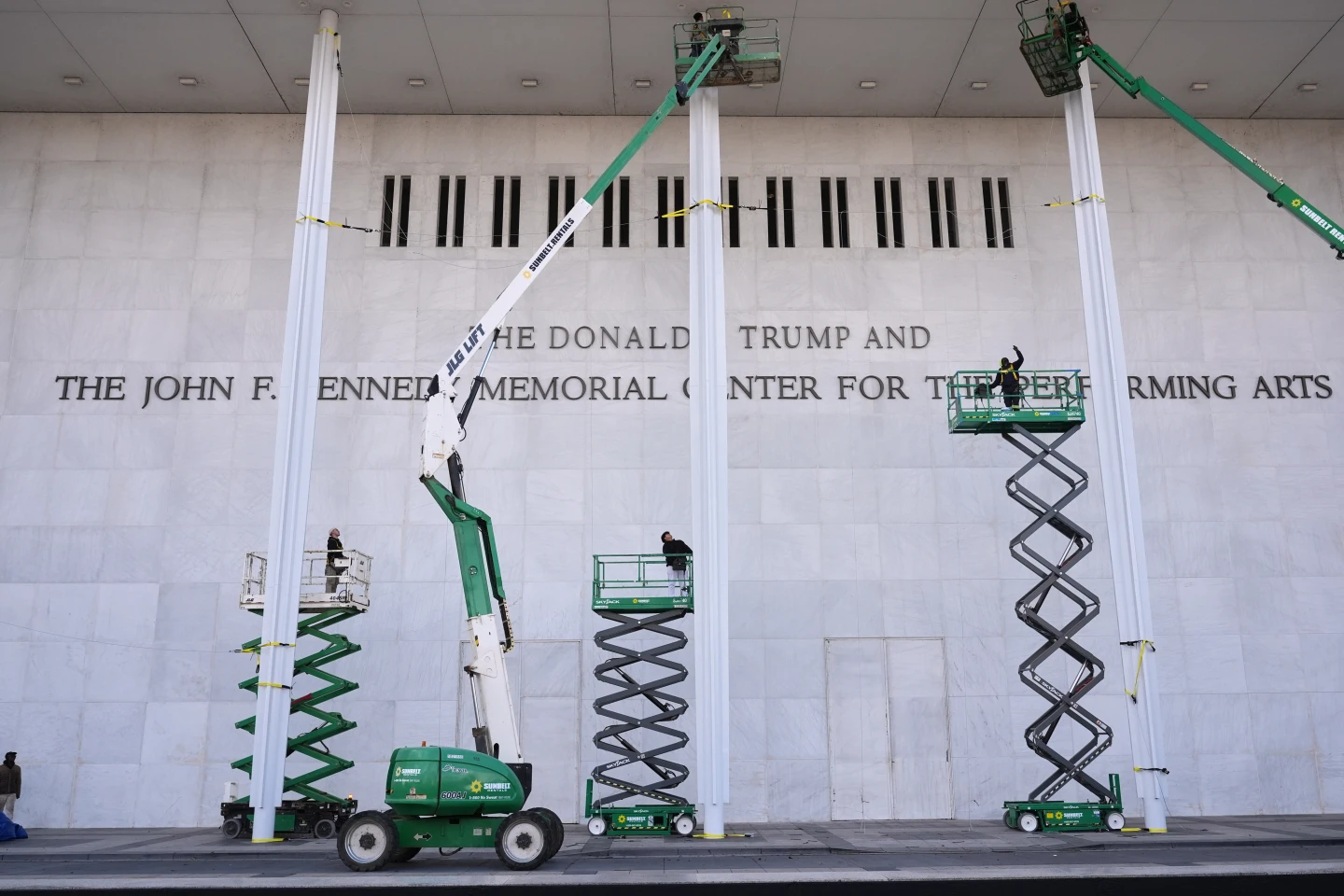
In the wake of President Trump’s name being added to the Kennedy Center, several artists, including the jazz supergroup The Cookers, have canceled performances, expressing concerns about the political implications of the venue's new identity. The situation reflects broader tensions in the artistic community regarding political affiliations and the evolving landscape of performance venues.
The Cookers, a well-respected jazz supergroup, have announced their withdrawal from an upcoming concert at the Kennedy Center, following the recent decision to add former President Donald Trump's name to the prestigious venue. This cancellation is part of a larger trend, as numerous artists re-evaluate their participation in events associated with Trump's administration and the controversies surrounding it.
Initially, the anger among artists erupted in spring when Trump appointed himself as chairman of the board overseeing the Kennedy Center, resulting in high-profile withdrawals from engagements by notable figures like Issa Rae and the producers of the hit musical 'Hamilton.' Now, as The Cookers express their dissatisfaction, they underscore a yearning for inclusivity and the significance of music as a unifying force.
Members of the group have articulated their desire to return to performance spaces where everyone can celebrate music's intricacies without political divides. For instance, saxophonist Billy Harper openly declared that he would never perform in a venue representing a legacy he fundamentally opposes, particularly one that marginalizes African American culture.
In contrast to the dissenting voices, some artists, such as bluegrass musician Randy Barrett, have defended the importance of music in bridging societal divides despite the political controversy. This clash reflects deeper frustrations within the artistic community and highlights evolving sentiments surrounding public venues amid polarizing political environments.
As the Kennedy Center navigates this contentious landscape, the effects of political engagement on artistic expressions will continue to unfold, challenging both artists and the institutions that house their work.