In brief
As Beijing records a rise in flu-like human metapneumovirus (HMPV) cases, experts assure the public that the situation, while concerning, does not indicate a new pandemic threat like COVID-19.
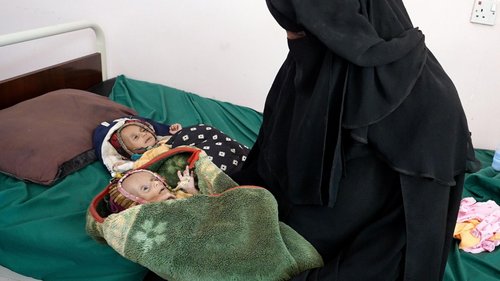
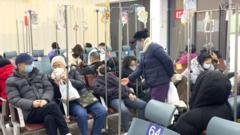
Recent reports of crowded hospitals in Beijing due to increased flu-like human metapneumovirus (HMPV) cases have raised alarm among residents and social media users, sparking concerns reminiscent of the early days of the COVID-19 pandemic. However, public health experts emphasize that HMPV, which is particularly affecting children, is not a new virus but one that has been identified since 2001.HMPV primarily causes mild respiratory infections similar to the flu, spreading through close contact or contaminated surfaces. Symptoms typically include cough, fever, and nasal congestion. It poses a higher risk to very young children under two years old, as well as individuals with weakened immune systems, including the elderly and cancer patients. Dr. Hsu Li Yang, an infectious disease expert, notes that while most will experience mild symptoms, a small subset of those immunocompromised may suffer severe respiratory complications requiring hospitalization.The seasonal rise in HMPV cases in China aligns with colder winter months when respiratory viruses tend to circulate more freely. Experts from various regions, including Jacqueline Stephens from Australia, indicate that many northern hemisphere countries have also seen a similar increase in cases recently, following a pattern consistent with past winters.While some individuals worry that this increase could suggest a pandemic-like scenario similar to COVID-19, experts have systematically debunked those fears. HMPV is not a novel pathogen; therefore, it is not likely to prompt a new public health crisis. Dr. Hsu reassures the public that existing immunity from previous exposures means there is no immediate cause for alarm.Nonetheless, sensible precautionary measures are recommended, especially for high-risk populations. These include wearing masks in crowded settings, maintaining good hand hygiene, and getting vaccinated against influenza. The combination of these measures can help mitigate the impact of HMPV during its active season.