In brief
The number of abandoned oil tankers has surged internationally, impacting the lives of thousands of seafarers. This article highlights personal accounts from affected crew members, reasons behind the crisis such as geopolitical instability, and the urgent need for international cooperation to protect those at sea.
Over the past year, the number of oil tankers and other commercial vessels abandoned worldwide has increased dramatically. This spike has been accompanied by severe challenges for merchant sailors who find themselves stranded without support.
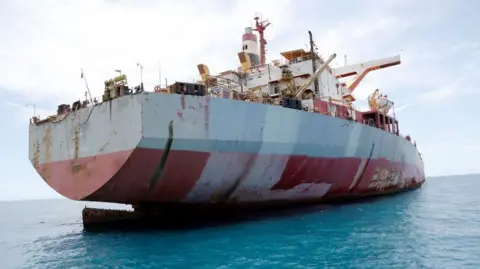
Ivan, a senior deck officer on an abandoned oil tanker outside the territorial waters of China, detailed his struggles: We had a shortage of meat, grain, fish—simple things for survival. The crew was hungry and angry, trying to survive day by day. His ship, loaded with nearly 750,000 barrels of Russian crude oil valued at around $50 million, reported being abandoned last December due to unpaid wages.
The rise in abandonment rates is stark: from just 20 ships in 2016 to 410 in 2025, with over 6,000 maritime workers affected. Factors such as geopolitical instability and the fallout from the Covid-19 pandemic are cited as major contributors to this alarming trend.
The increasing prevalence of shadow fleets, aging vessels often sailing under flags of convenience, complicates the issue. These ships, frequently unseaworthy and uninsured, are used to circumvent sanctions and regulations, primarily to continue the export of oil by countries like Russia, Iran, and Venezuela.
Currently, seafarers like Ivan are often left at the mercy of their employers, facing dire conditions and prolonged isolation. Advocacy groups, including the International Transport Workers' Federation, are stepping in to support these crew members, negotiating back pay and arranging for essential supplies.
The abandonment of seafarers is no accident, as many sign contracts without full knowledge of potential risks or the true nature of the vessels they join. Increased international cooperation and stricter regulation of flag states are essential to ensure that crews are treated fairly and safely at sea. As Ivan reflects, future sailors will need to scrutinize ships more closely to avoid similar fates.