In brief
In a disturbing case from Lancaster, Pennsylvania, two teenage boys were placed on probation for using artificial intelligence to produce fake nude images of their peers. The boys, who created 59 child sex abuse images, faced the ramifications of their actions in court, with an emphasis on the psychological impact on victims and the need for legal safeguards against AI misuse. The case has sparked broader discussions about the dangers of deepfakes, leading to potential legal claims against the school involved and highlighting the legislative measures aimed at combating such technological abuses.
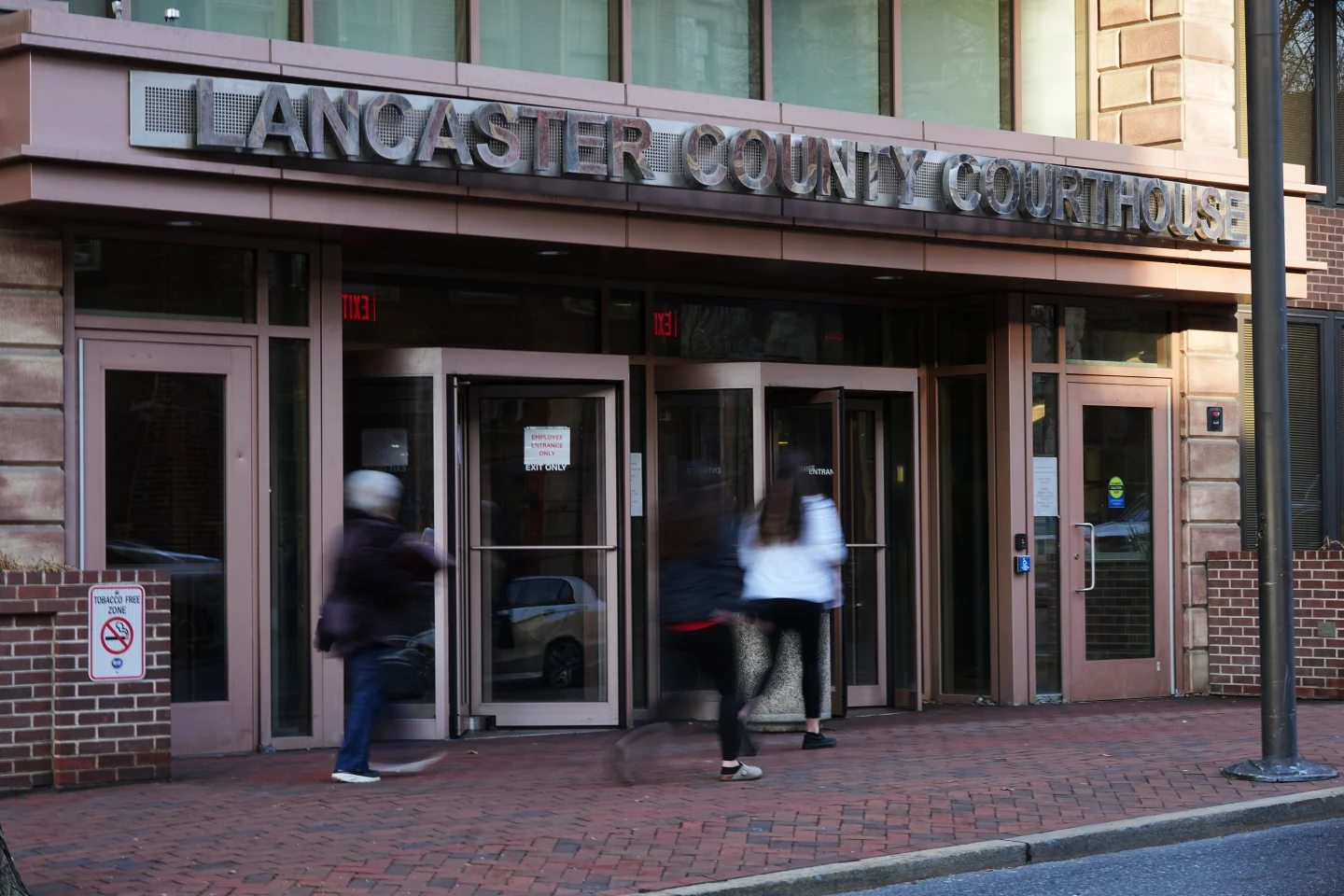
LANCASTER, Pa. — In a serious legal case that underscores the darker implications of modern technology, two teenage boys learned their fate Wednesday after admitting to using artificial intelligence to create fake nude images of their classmates. The boys, aged 14 at the time of the offenses, were put on probation and placed under parental custody.
The prosecution revealed that the pair created a total of 59 child sex abuse images by altering photos of female students, many taken from platforms like Instagram, pairing them with virtual adult images depicting nudity or sexual conduct.
Some of the victims were their own classmates at Lancaster Country Day School. According to police reports, one woman came forward stating that her daughter informed her that a fellow student was using AI technology to generate explicit representations of female students.
During the juvenile court proceedings in front of Judge Leonard Brown III, the boys were ordered to complete 60 hours of community service and adhere to probation conditions. Judge Brown noted the absence of apologies or acknowledgment of wrongdoing from either boy, indicating that should they have been adults, incarceration in state prison could have been a probable outcome.
Legal representation for one of the boys, Heidi Freese, flagged complex legal issues linked to the case, hinting at potential future litigation. Pennsylvania Attorney General Dave Sunday highlighted the case's implications, describing it as a serious exploitation of technology that has caused significant trauma to the victims.
The controversy surrounding this case mirrors recent events in Tennessee, where three teens sued Elon Musk's xAI for similar abuses with their images being manipulated into digital sexual content. These teenagers are seeking class-action status to represent other minor victims.
The fallout from the Lancaster scandal has led to student protests, leadership changes within the school, and the initiation of criminal charges against the teenagers involved. Attorney Nadeem Bezar, representing some victims, is preparing to file claims against the school, aiming to investigate how the deepfakes were generated and spread.
The emotional toll of such breaches is profound, as characterized by Bezar, who noted the adverse effects of such incidents on young lives striving for personal growth and success.
As discussions on deepfakes gain momentum, many states, including Pennsylvania, have enacted laws aimed at prohibiting the non-consensual use of this technology, protecting the privacy and dignity of individuals.
As technology advances, the need for stringent legal frameworks to safeguard against misuse continues to rise.