In brief
The US government is halting $50 million in aid to Zambia’s health system, citing the systemic theft of vital medical supplies intended for vulnerable patients. This move highlights ongoing corruption issues within the Zambian healthcare sector, prompting concern over the impact on public health.
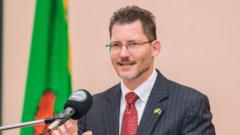
The United States has announced a significant aid cut of $50 million to Zambia’s health sector, driven by ongoing concerns regarding widespread theft of donated medical supplies. The US ambassador to Zambia, Michael Gonzales, described the decision as both "difficult" and necessary, stating it comes in response to the Zambian government's failure to adequately safeguard essential medicines meant for its most vulnerable populations. Despite repeated warnings, the situation has not improved, leading the US to assert, “We are no longer willing to underwrite the personal enrichment of fraudsters or the corrupt.” Previous investigations revealed alarming findings, including that more than 2,000 pharmacies across Zambia were involved in selling these stolen drugs.The revelations stem from a year-long investigation by US officials, who identified that 95 percent of those pharmacies selling the United States-donated products were also peddling stolen goods. Nearly half of the establishments reviewed were found to be selling medical supplies donated by the US government, while others were involved in selling stolen stocks from multiple donors, including local government entities.In April of last year, the US embassy offered to assist the Zambian authorities in taking action against the theft, but the Zambian government has demonstrated inadequate commitment to addressing the issue, leading to frustration among US officials. They emphasized that law enforcement actions in Zambia have disproportionately targeted lower-level operatives rather than those orchestrating the thefts.The US ambassador expressed that the nation can no longer justify continued support to Zambia under these circumstances, especially when the healthcare aid impacts critical treatments for diseases like malaria, HIV, and tuberculosis. Starting January next year, the aid cuts will come into effect, with the aim of giving the Zambian government a chance to devise other funding solutions for its healthcare needs. The decision aligns with the Trump administration's broader strategy of reducing foreign assistance, especially to African countries, which are facing significant health challenges.Zambia's President Hakainde Hichilema has criticized the situation, stating that the country must now focus on building its treasury to procure necessary medicines independently. The situation remains precarious as Zambia continues to confront the ramifications of health aid reductions at a time when the HIV epidemic poses severe risks, especially among the youth.