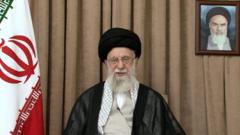
Iran's Supreme Leader, Ayatollah Ali Khamenei, publicly refuted claims made by the United States that recent military strikes had effectively hindered Iran's nuclear capabilities. This statement came during his first address since a ceasefire with Israel was negotiated earlier this week. Khamenei expressed that the attacks did not "accomplish anything significant" in terms of disrupting Iran's nuclear program and claimed that a retaliatory strike targeting an American base in Qatar dealt a "heavy blow" to US interests.
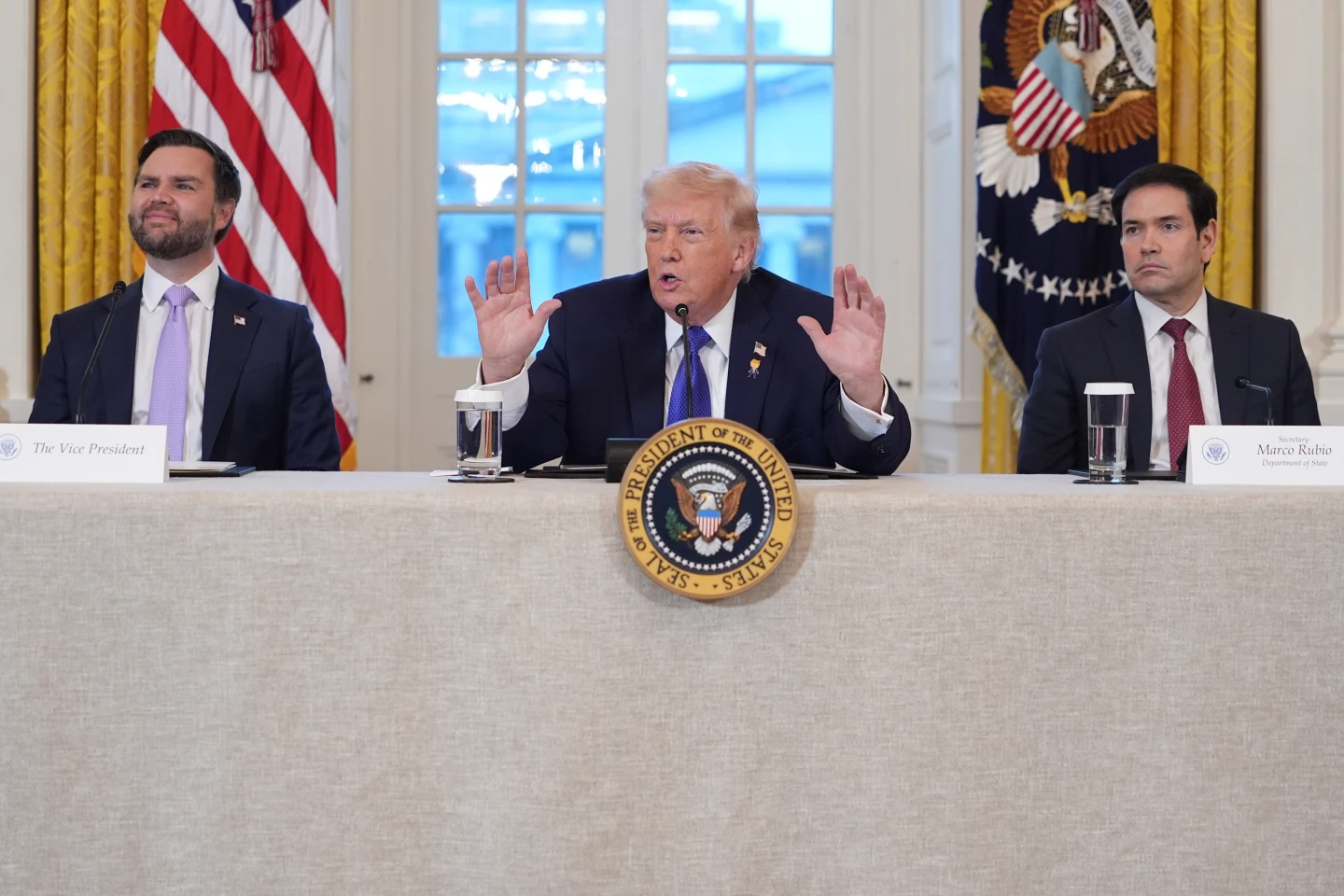
Contradicting Khamenei's assertion, US Defense Secretary Pete Hegseth emphasized that intelligence reports indicated the operation had "destroyed" key components of Iran’s nuclear program. President Donald Trump echoed this sentiment, asserting the strikes against three essential sites had "totally obliterated" their operational capabilities. At a Pentagon press conference, Hegseth characterized the military mission as a "historic success," rendering Iran's enrichment facilities inoperable.
In his address, Khamenei, who had remained largely out of public sight amid escalating conflict with Israel, threatened further military action against US bases if Iran faced additional attacks. He claimed the US and Israel had exaggerated their success in the operation, declaring that they achieved "nothing" of value. The Iranian leader warned of the high costs that future aggressors would face.
The backdrop to these high-stakes tensions includes the public claim by Israeli Prime Minister Benjamin Netanyahu that Iran could develop a nuclear weapon quickly if left unchecked. Concurrently, the International Atomic Energy Agency (IAEA) announced Iran's breach of its non-proliferation obligations for the first time in two decades, despite Iran's assertion that its nuclear ambitions remain solely for civilian purposes.
Further complicating the situation, Iran has passed legislation to halt cooperation with the IAEA, indicating a refusal to permit nuclear inspections, signifying a stark escalation in its nuclear defiance. Iran’s health ministry reported casualties included 610 individuals during the recent hostilities, while Israeli sources cited 28 fatalities.
As the global community closely monitors the evolving dynamics, the future of Iran's nuclear program, along with its relationship with both the US and Israel, remains precarious amid ongoing military tensions and diplomatic negotiations.