In brief
After Pope Francis's passing, preparations for his funeral highlight his preference for simplicity and humility. Memorial services are taking place globally, reflecting his enduring influence as a spiritual leader praised for his advocacy for marginalized groups and focus on compassion.
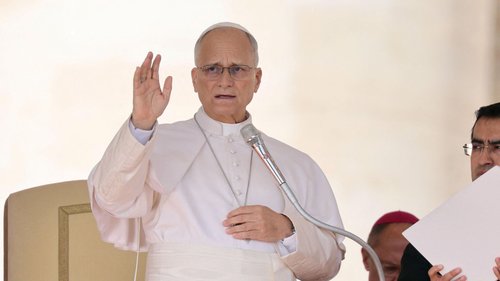
Pope Francis's funeral, set for Saturday in front of St. Peter's Basilica, will be marked by more modest rituals, reflecting the simple lifestyle he endorsed throughout his papacy. The Vatican announced that Cardinal Giovanni Battista Re will lead the service, adhering to the guidelines established under Francis. His body currently rests in Casa Santa Marta, with photos released depicting him dressed in red and white vestments, holding a rosary. Worldwide, memorial masses were held Tuesday in various locations, including Sydney and the Philippines, as flags were lowered in honor of the pontiff. A three-day mourning period has been declared across nations like Italy, Brazil, and Francis's birthplace, Argentina. Political leaders, including former President Donald Trump, are expected to attend the funeral, presenting logistical challenges because of the anticipated size of his entourage.The process of selecting a new pope is underway, as cardinals from around the globe are converging on the Vatican for the conclave, which will commence after the funeral rites. With a recent health crisis attributed to a cerebral stroke, Pope Francis's passing at the age of 88 has sparked widespread reflection on his legacy. He advocated for the vulnerable and addressed pressing issues such as climate change and migration.In his will, revealed posthumously, Francis chose a burial site at the Papal Basilica of St. Mary Major, requesting a simple grave marked only by the name "Franciscus." With this, he underscored his commitment to modesty, as he did throughout his papacy, reshaping the role of the pontiff with an inclusive approach while advocating for social justice. Across the globe, the mourning for Pope Francis echoes a broader appreciation for his contributions to not just the Catholic Church but also the world's marginalized communities. Community leaders, both religious and political, gathered to pay tribute to a figure who championed compassion and inclusion, reflecting on his call for unity in tumultuous times. The simple, yet profound impact of his commitment to the faith exemplified a modern papacy that aimed to bridge gaps among people of different backgrounds and beliefs.